When asked “what’s hot in sport?” never for one moment did I imagine the answer to be “bobble hats”. Makes sense really.

A small diversion away from cycling on my travels, and a tribute to my Nan’s knitwear output.

I have written numerous times about my visits to bike shows around the world, but this week I have taken a detour to one of to one of the world’s most important sporting goods shows, ISPO Sport in Munich.

I am actually here to attend meetings and events on the side of the show that have been extremely useful for learning about trends in health and physical activity and the business climate in which the global bike industry is working.

But of course I went for a walk around the show. It was enormous, bigger than all the bike shows except maybe Eurobike. There were no specific bike exhibits but lots of familiar outdoor brands and many of the companies that make outdoor and sports gear also cross over into cycling.

Photo by Kevin Mayne Photo by Kevin Mayne

But inevitably my eye is drawn to the unexpected. This is especially true of trade fairs where the major purpose of the show is to convince manufacturers, wholesalers and retailers to take a particular range, not really to reach the individual consumers.

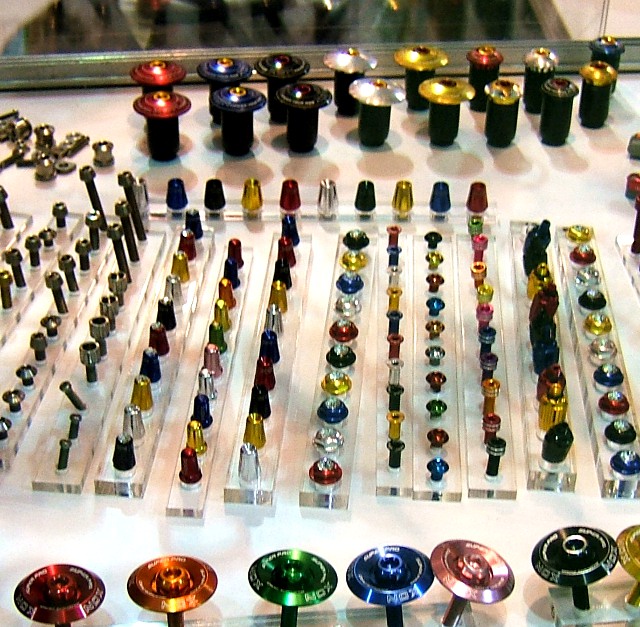
Photo by Kevin MayneWhen I first went to Taipei Cycle Show I was drawn to the booths that just exhibited a single item like bells, or a huge display of carefully colour coded bolts, there so that assemblers could order just the right part to match their bicycle designs. No reason why they should not be there, but the care and attention to detail put in to displaying the humble washer just caught my imagination.

So what was it at ISPO?

Bobble hats.

Photo by Kevin Mayne

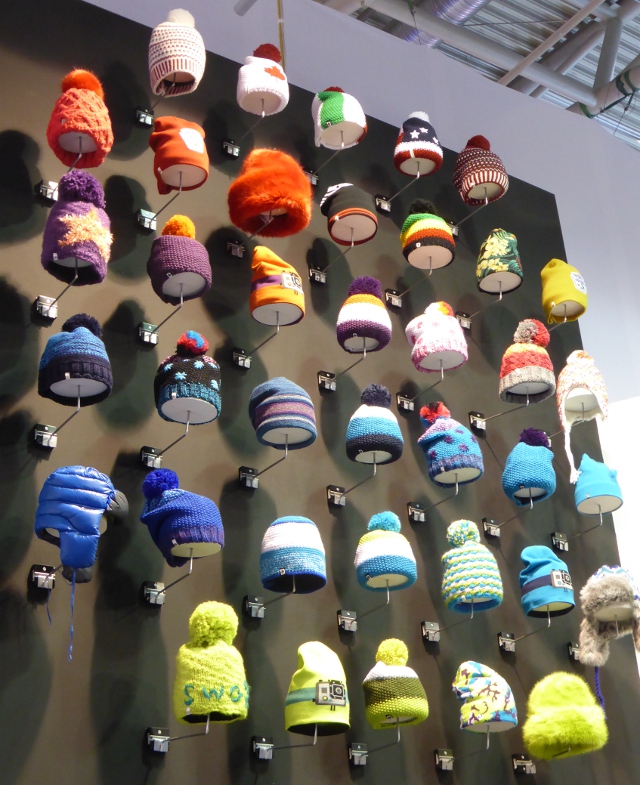
Walls of bobble hats.

Photo by Kevin Mayne

Fields of bobble hats.

Photo by Kevin Mayne


Colour coordinated bobble hats.Photo by Kevin Mayne

The biggest bobble hat I have ever seen.Photo by Kevin Mayne

Who knew? If you want to convince the winter sports buying community that your product is the height of technical achievement you top off your display….with a bobble hat, lovingly designed and created by people who have invested a great deal of craft in their product.

Maybe it’s because I don’t come from a winter sports country, but somehow I was highly amused by the status given to the sort of clothing that represented the height of uncool in England because it was knitted by your grandmother in strange shapes and colours. The only exception was your football supporter’s hat that you wore on a Saturday.

Good luck to them all, if colour coded bolts matter to someone then why not bobble hats? My Nan would have seen it as a challenge to turn out another batch from her extraordinary selection of leftover wool.

“If you only have one day to ride you take what comes”. A stormy ride to Valetta, Malta

Gallery

This gallery contains 25 photos.

It is hard to identify what the symbol of this bike ride should be. One of the many broken umbrellas littering the ground? The cars driving through flooded roads? Or just about any blurry photo with rain on the lens … Continue reading

A brief visit to Sofia, capital city of Bulgaria

Mount Vitosha Sofia Bulgaria

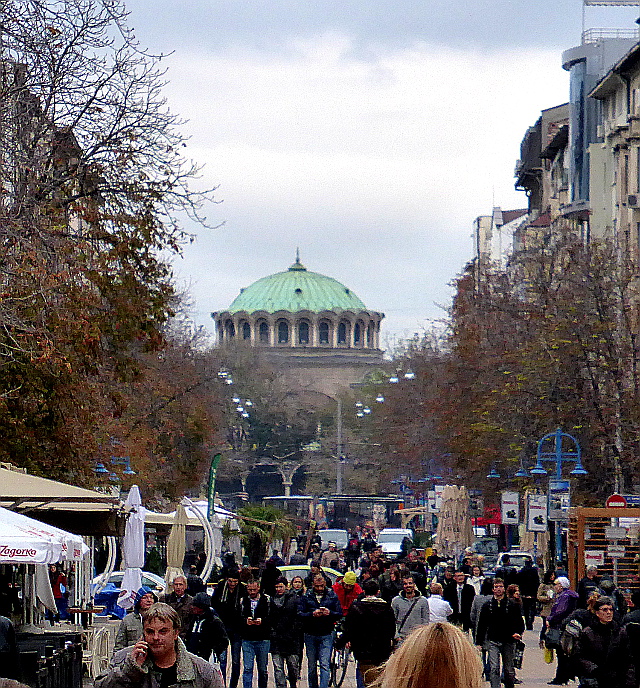
Having written about cycling in Sofia in my previous post this one is about my impressions of Sofia as a tourist in the two brief tours that I took around the city centre in my short visit.

It was very much late autumn here with the first cold temperatures of the year coming in, down to about four degrees centigrade overnight and there was snow on the Vitosha Mountain that overlooks the city. The city was mostly wrapped in a steely grey grip that briefly lightened for our afternoon bike tour but otherwise kept things a bit dull so maybe we didn’t see the city at its best. But I must say the mountain itself is a great landmark as you move about, forever on the skyline and real symbol of the city. I really wish I had enough time to take a trip up there, it looked amazing for walking or mountain biking but it would be a substantial excursion of a few hours.

It would probably be fair to say that Sofia is not one of Europe’s tourism hot spots. Nor one its wealthiest cities, so it has a slightly run down feel with buildings, roads and parks often in need of some repair and restoration. What it has in its favour is a rather sleepy, quiet nature because for a capital city of well over a million people we did spend some time wondering where they were. Little of it is completely car fee except the main shopping drag of Vitosha Boulevard but the main city centre buildings and parks are mainly in two central neighbourhoods which were easily accessible by bike, foot and metro so it was actually a really easy city to navigate.

Photo Kevin Mayne

What Sofia also has is an incredible history. Its pre-Roman history goes back to 4BC, then it was a major Roman centre for nearly 500 years. At times it was part of various Bulgarian empires which brought a Christian heritage but for another 400 years it was part of the Ottoman Empire. In the 19th and 20th Centuries it fell into the Russian sphere of influence with a communist government from 1946-1990. Unfortunately it was flattened and rebuilt several times in that process so much of ancient Sofia is buried under the later layers and it is a bit of a detective exercise to see the differing elements.

What we mainly saw to represent the city history were two distinct groups of buildings.

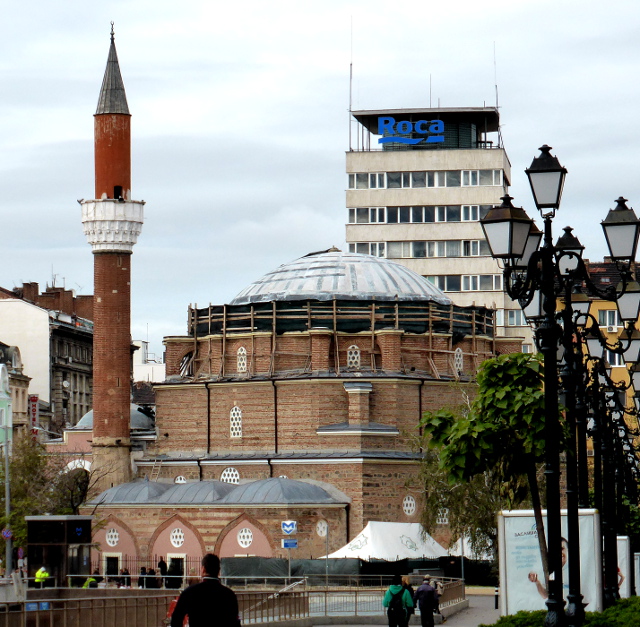
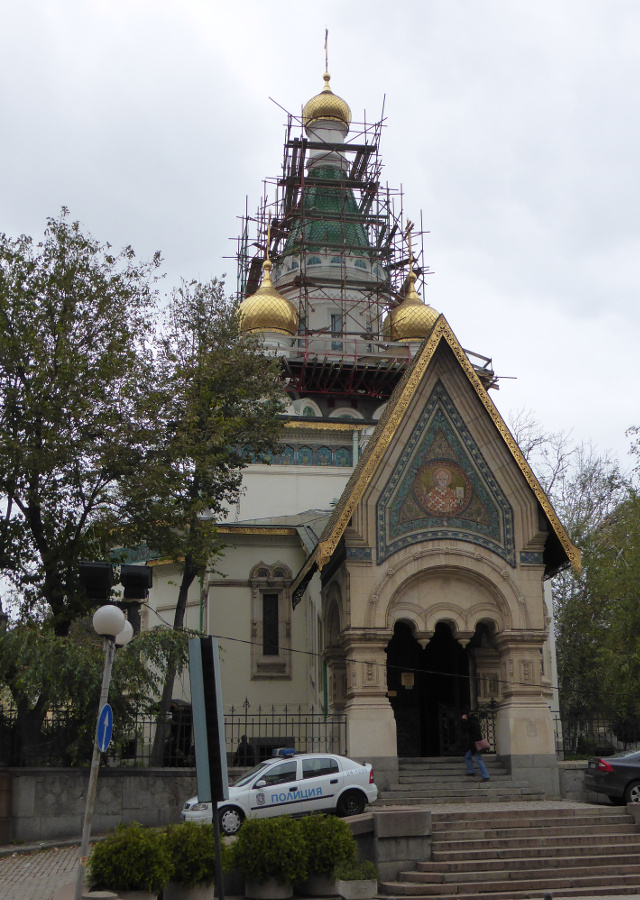
The first were the religious sights – cathedrals, churches, mosque and synagogue reflecting the diverse heritage of the city.

Photo Kevin Mayne Photo Kevin Mayne

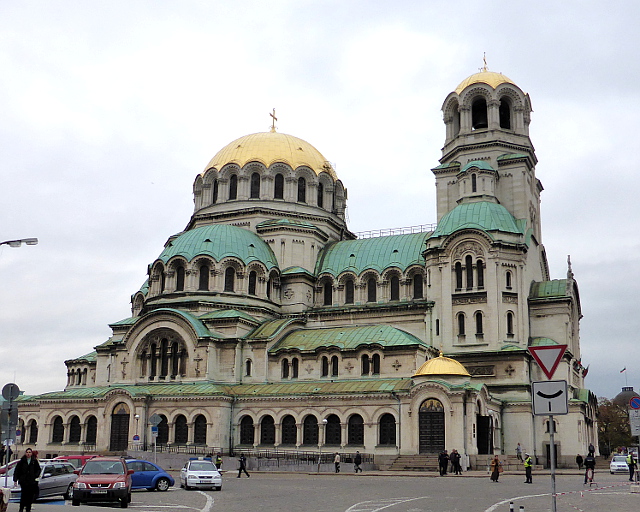
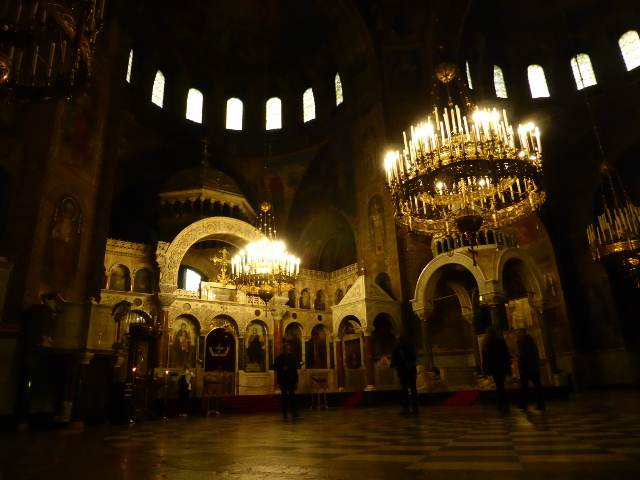
Chief of these was the Alexander Nevsky Cathedral which turned out to be quite a surprise for me. From the outside it is a giant of white and gilded domes.

Photo Kevin Mayne

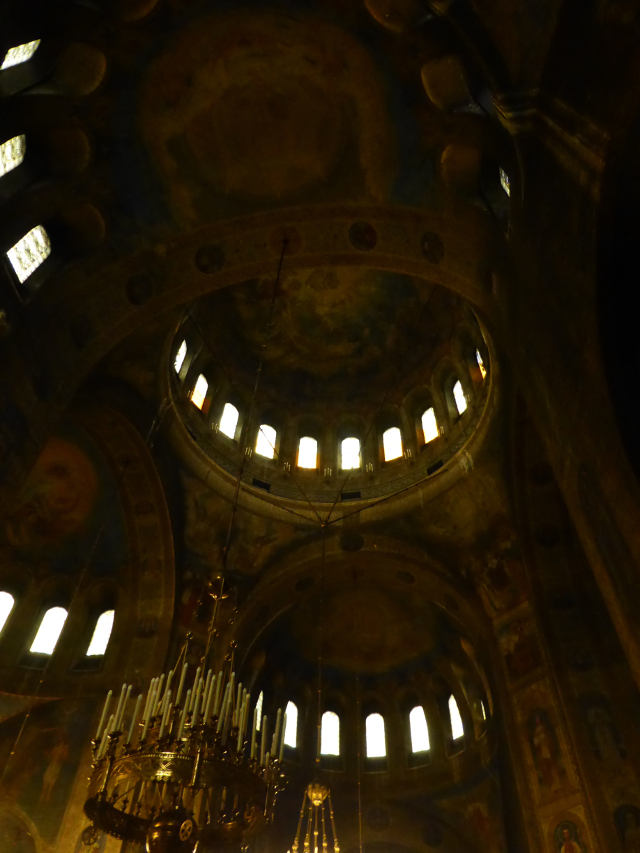
But inside it was dark and unlit except for tiny windows up in the dome and large groups of candles. One could sense the detailed painting on the walls and up in the heights the dome could be brightly decorated but it was the darkest, gloomiest major cathedral I have ever been in, almost cave-like.

Photo Kevin Mayne Photo Kevin Mayne

By complete contrast the tiny Saint Petka Church was a medieval church sunk below the level of the city roads close to excavations of the old city which are being unearthed in front of a new metro station, one of the few surface signs of an older Sofia.

Photo Kevin Mayne

The second group of buildings reflect the more recent Soviet past. Almost inevitably there is a huge block of Soviet architecture of which the most striking was the former Communist Party Building, the Largo building which is a classic of its type.

Photo Kevin Mayne

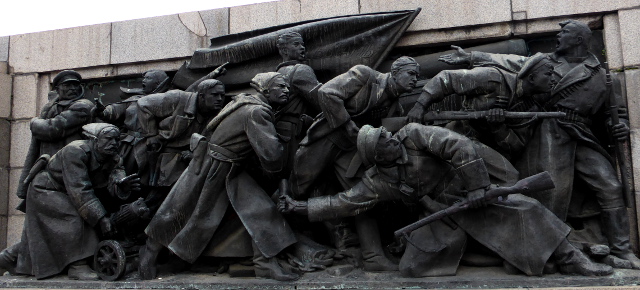
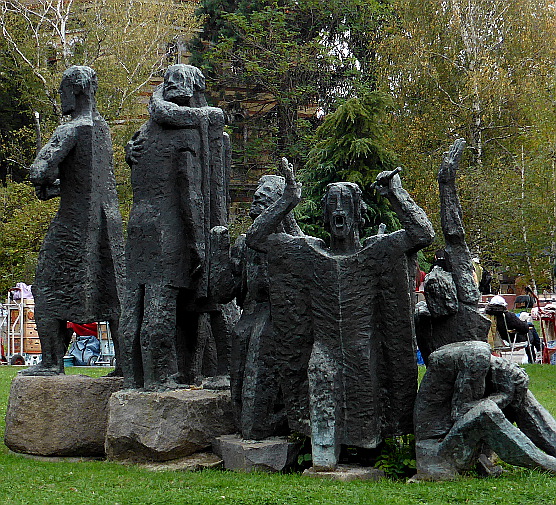
The memorial to the Soviet Soldiers also survived the end of the communist period in a small park to the west of the city centre with its dramatic statues and friezes.

Photo Kevin Mayne Photo Kevin Mayne

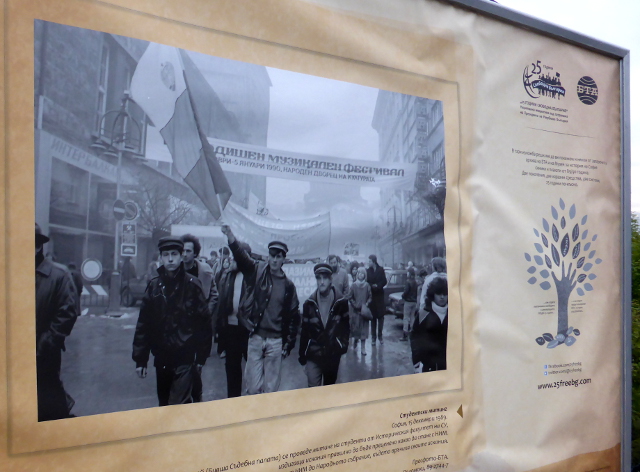
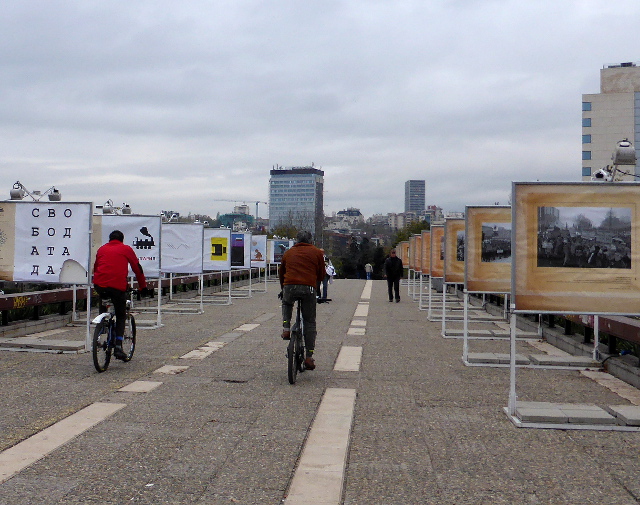
The complete contrast to the features that represented the communist period was a display near the National Cultural Centre which celebrated 25 years since the end of communism. There were evocative photographs and logos from the period right across the bridge, although I couldn’t help but be amused by its proximity to the drive-through McDonalds – was this what the revolution was for?

Photo Kevin Mayne Photo by Kevin Mayne Exhibition poster of 25th Anniversary of fall of Communism Sofia Bulgaria

Other highlights were the National Theatre and the attractive gardens out front.

Photo Kevin Mayne Photo Kevin Mayne

In addition to the physical sights of Sofia I have to say that everyone we met was incredibly helpful and welcoming, from our hosts to hotel staff, restaurants and cafe staff. They went out of their way to make us welcome at the Bulgarian themed restaurant – traditional dancing a bonus!

Photo Kevin Mayne

And a thank you to the bar staff on Vitosha who said they were closing, and then kept the doors open as long as we were there. I guess that is the advantage of being the only customers in town!

I leave the post with pictures of some striking statues in a square just in front of the Alexander Nevsky Cathedral. My research has failed to turn up their subject but I found them quite moving.

Photo Kevin Mayne Photo Kevin Mayne

Special Olympics Europe 2014 Opening Ceremony – a celebration of inclusion

Photo Kevin Mayne

On Saturday my wife and I had the pleasure of being guests at the Opening Ceremony of the European Summer Special Olympics which are taking place this week in Belgium.

It was an enjoyable and at times moving experience, the Special Olympics is a really distinctive movement that is well worth celebrating and Belgium did a great job with the launch.

The Special Olympics are the separate movement for people with Intellectual Disabilities which keeps the games separate from the much bigger and more extensively funded Olympics and Paralympics.

It began in the 1950s and 1960s when Eunice Kennedy Shriver (the fifth of the nine Kennedys from the renowned US political family) began working to introduce sports and physical activities in to summer camps for children with Intellectual Disabilities. In 1968 they became the Special Olympics which formed a part of her much wider work in the field.

There are now Special Olympics for continents as well as world summer and winter games. This year’s event in Belgium was for the Eurasia region so it included not only most European countries but also many participants from the central Asian countries that used to be part of the Soviet Union.

The Paralympics have grown in profile and stature since they were linked to the Olympic Games but the Special Olympics are by far the smaller player in the sport scene and they are much less well known internationally. I was delighted to discover that Belgium has one of the best established national Special Olympics programmes in Europe which meant it was a very proud host of the games. The city of Antwerp is actually the host city however because of their support the European Union and the national Belgian supporters were invited to celebrate the opening of the games in the national capital with the Belgian Queen, Prime Minister, outgoing President of the European Council Hermann van Rompuy and a range of other guests and supporters.

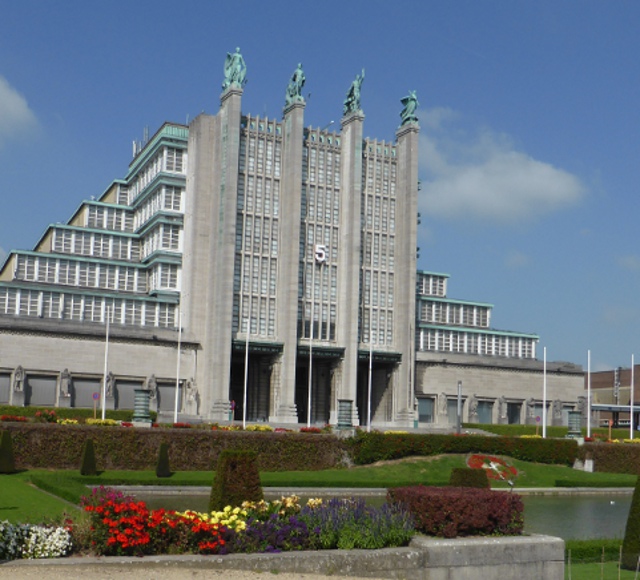
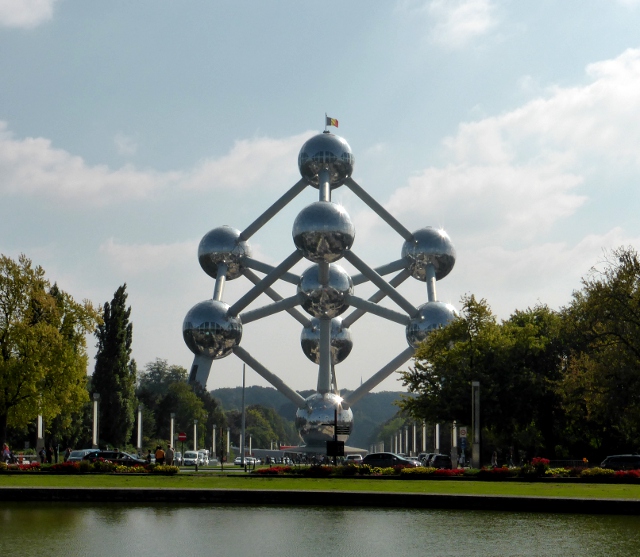
So that is how we ended up on a lovely summer afternoon at Heysel, the part of Brussels that hosts the national stadium, national Expo Centre and our old friend the Atomium which was glistening brightly in the sunshine.

Photo Kevin Mayne Photo Kevin Mayne

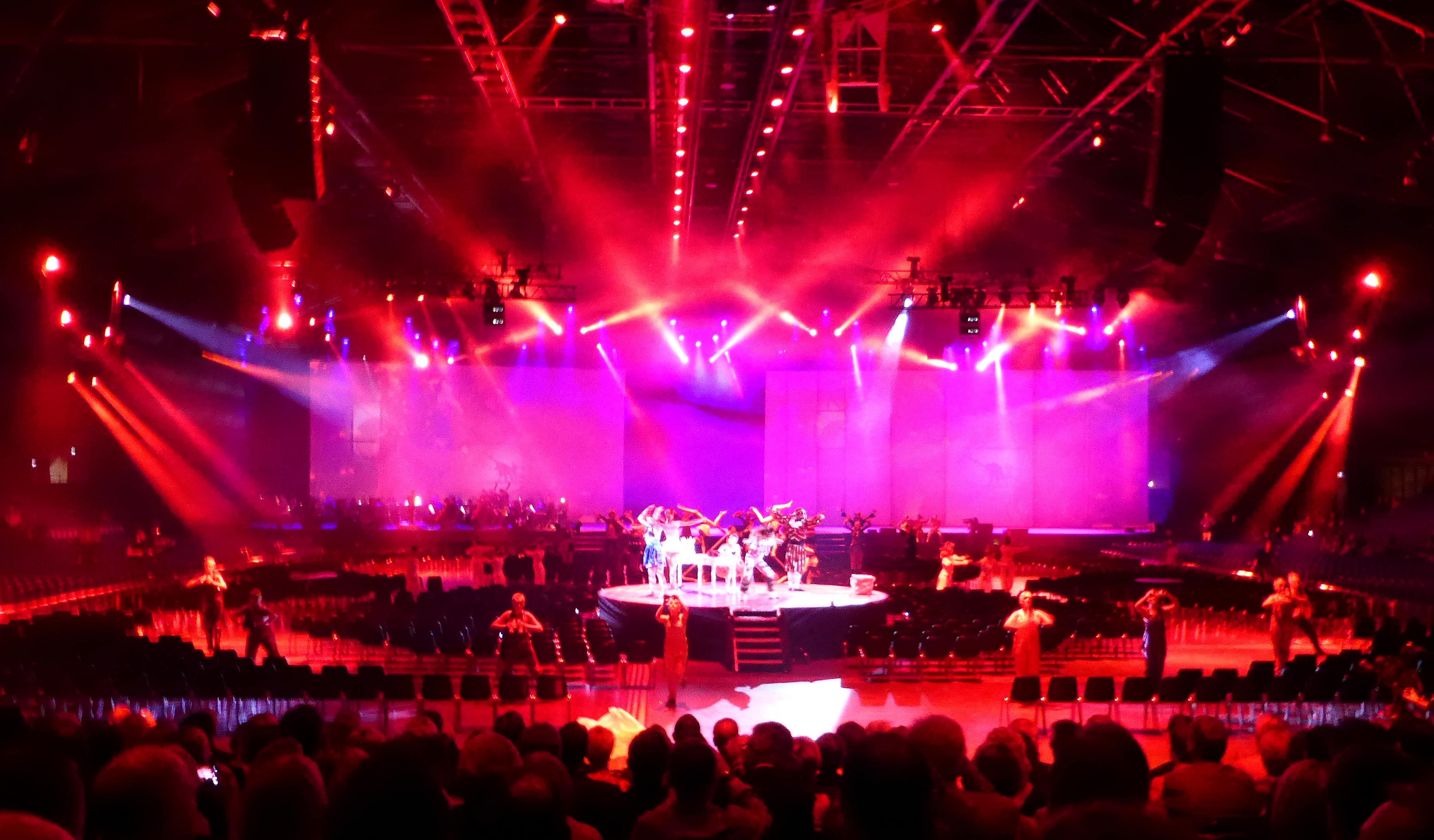
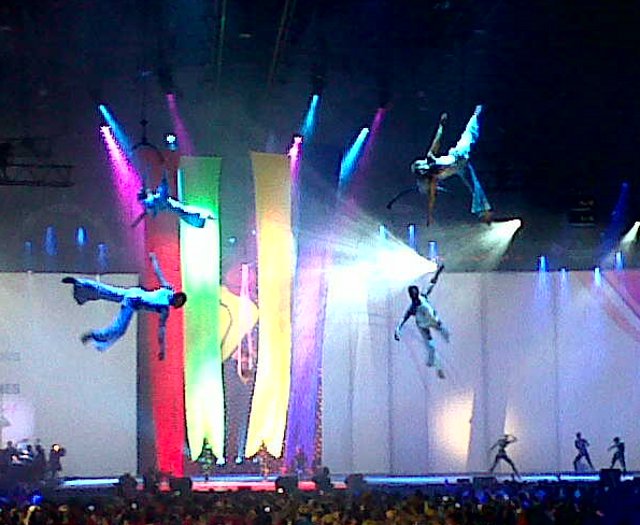
Our ceremony took place in one of the indoor halls which gave it a nice intimate feeling suitable for the “inclusive games” and enabled the show to be all about light and music. Unfortunately my little camera is really not up to the job of indoor photography in this environment so you can see some of my blurry impressions here but I have also linked to the very excellent 7 minute highlights film of the ceremony below and some of the official photographs can be found on the official web site here.

We were treated to an extended dance and acrobatic show that threaded its way through the two hour event and kept the whole thing bouncing along.

Photo Kevin Mayne Photo Kevin Mayne Photo Kevin Mayne

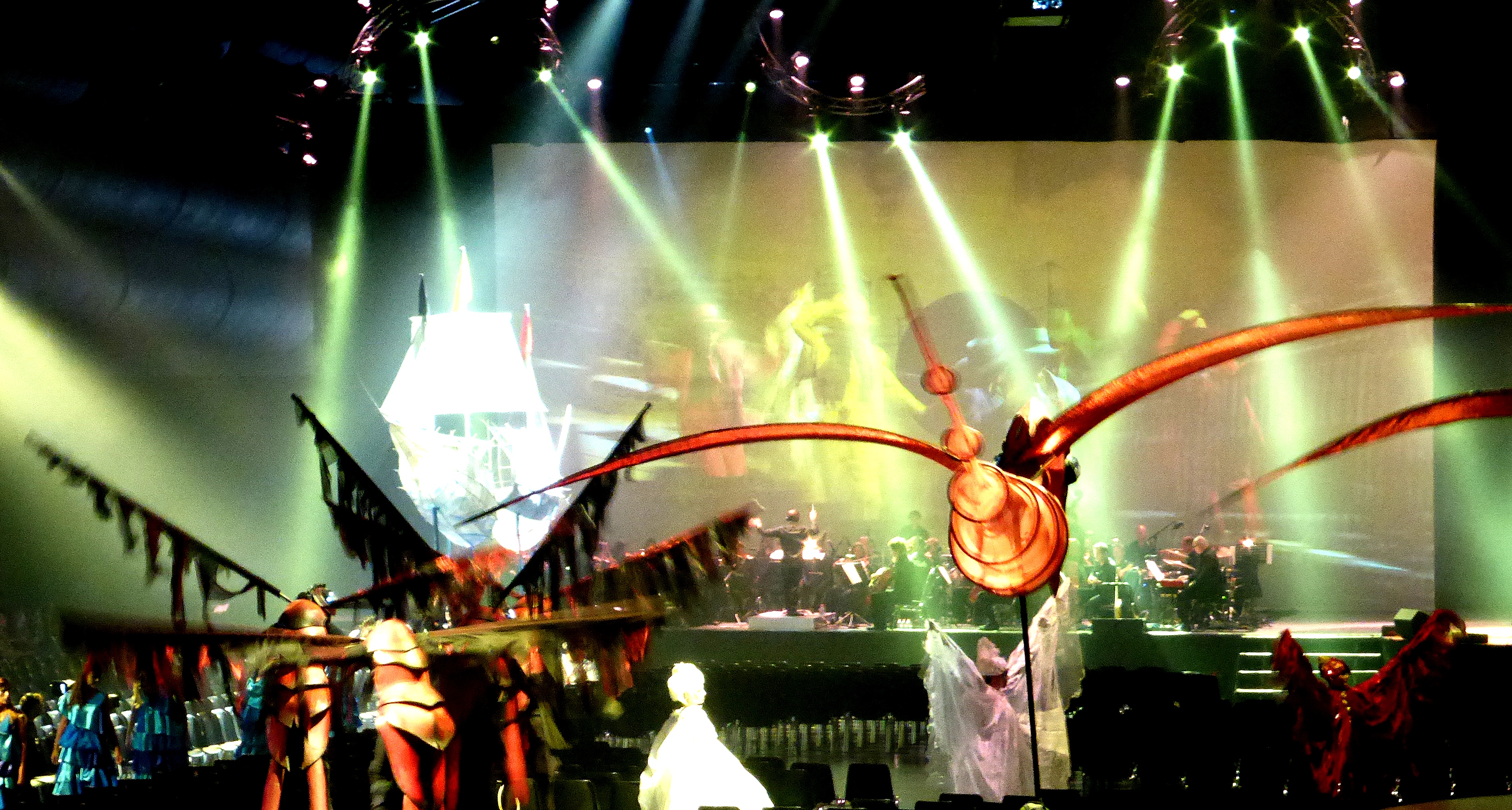
A Belgian flavour was given by the giants and puppets which are a feature of the celebrated Belgian carnivals and parades of Mardi Gras.

Photo Kevin Mayne

But my far the most impactful moments were perhaps the simplest, the ones that were most about the people the games are celebrating.

The teams were accompanied into the room by lively music, applause and cheering that never stopped. You could see the teams just burst with enjoyment at the welcome, dancing and waving their way to their seats. There was a huge welcome for all Belgium’s neighbours like Luxembourg and the Netherlands and of course a massive welcome for the home team, biggest of the whole event.

The raising of the games flags and the EU flag were accompanied by the EU Hymn, “Ode to Joy” but instead of the full orchestra the music was played by a young German man with an Intellectual Disability who played the tune on a harmonica to barely a dry eye in the house. You can see him in the video.

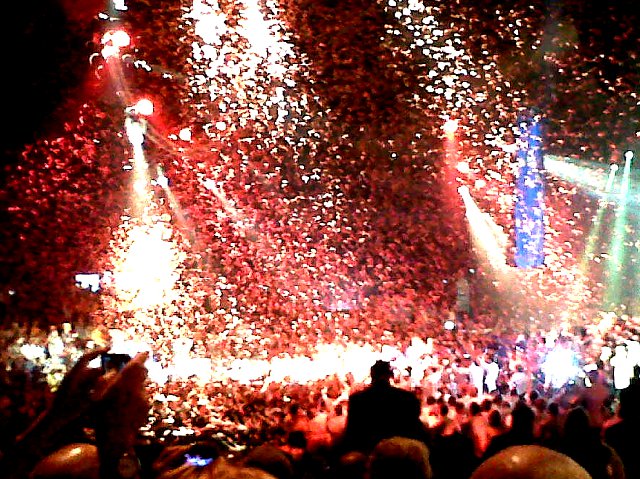
And finally there was just a ticker tape snowstorm over the heads of the athletes who were up and applauding their welcome. Joyful and celebratory.

Photo Kevin Mayne

Please enjoy the video of the event, it was a special occasion. (If the link to a video does not appear here please read the original post in your browser.)

During this week one of the 10 sports taking place will be the cycling events in Antwerp including time trials and road races with the rules allowing for tandems and trikes as well as modified bikes.

I am really delighted by that, both personally and professionally. When I worked at the national cyclists’ charity in the UK one of my proudest achievements was raising money to launch an inclusion programme for cycling which meant we could run development activities at centres right across the country. Almost every time I found myself visiting one of our special sessions for people with Intellectual or physical disabilities I was moved by the enormous sense of achievement that the simple bike ride many of us take for granted can bring to so many lives. This could be a life transforming change as participants found mobility or health through cycling.

There is a brilliant gallery of the cycling at the Belgian Special Olympics pre-event held last September that just brings out the best of that spirit. There is something special in almost every image. Many similar programmes exist all over the world, almost all run by volunteers, they should all be applauded and supported.

I have no doubt whatsoever of the transformative work that the whole Special Olympics movement does. The games themselves are the pinnacle and it was a pleasure to celebrate them with everybody here in the country we now call home.

Melbourne provides all the ingredients for a great bike ride – good company, great route, brilliant weather.

Gallery

This gallery contains 18 photos.

One thing was absent for seven days during my recent trip to in Melbourne. Cycling. Catching up with family and friends is always special. We explored some lovely settings. We consumed large quantities of excellent food and drink. But my … Continue reading

Coffee and cycling? Bikes and baristas in Adelaide to kick off Velo-city 2014

Bikes and Baristas

My kind of place.

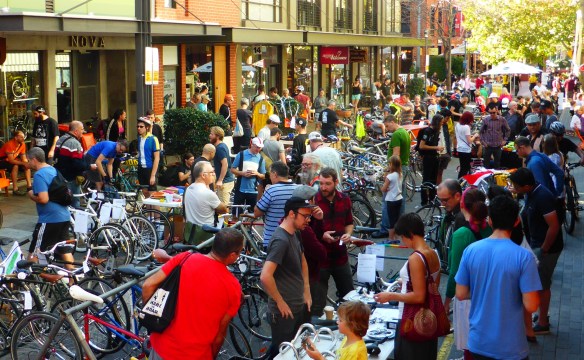
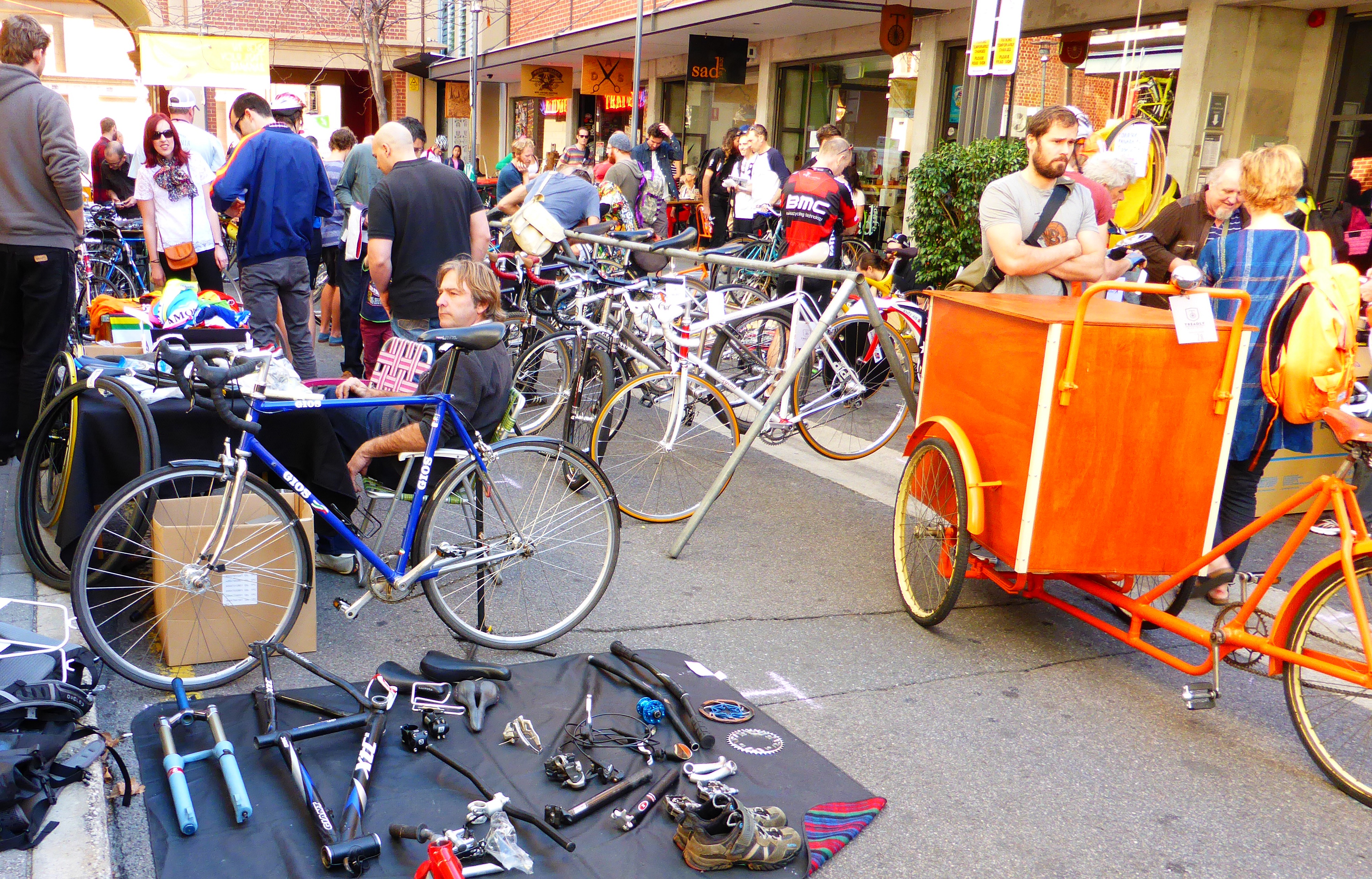
Off to the distinctly hip East End of Adelaide for a coffee at the “Bikes and baristas” Saturday event as part of Velo-fringe.

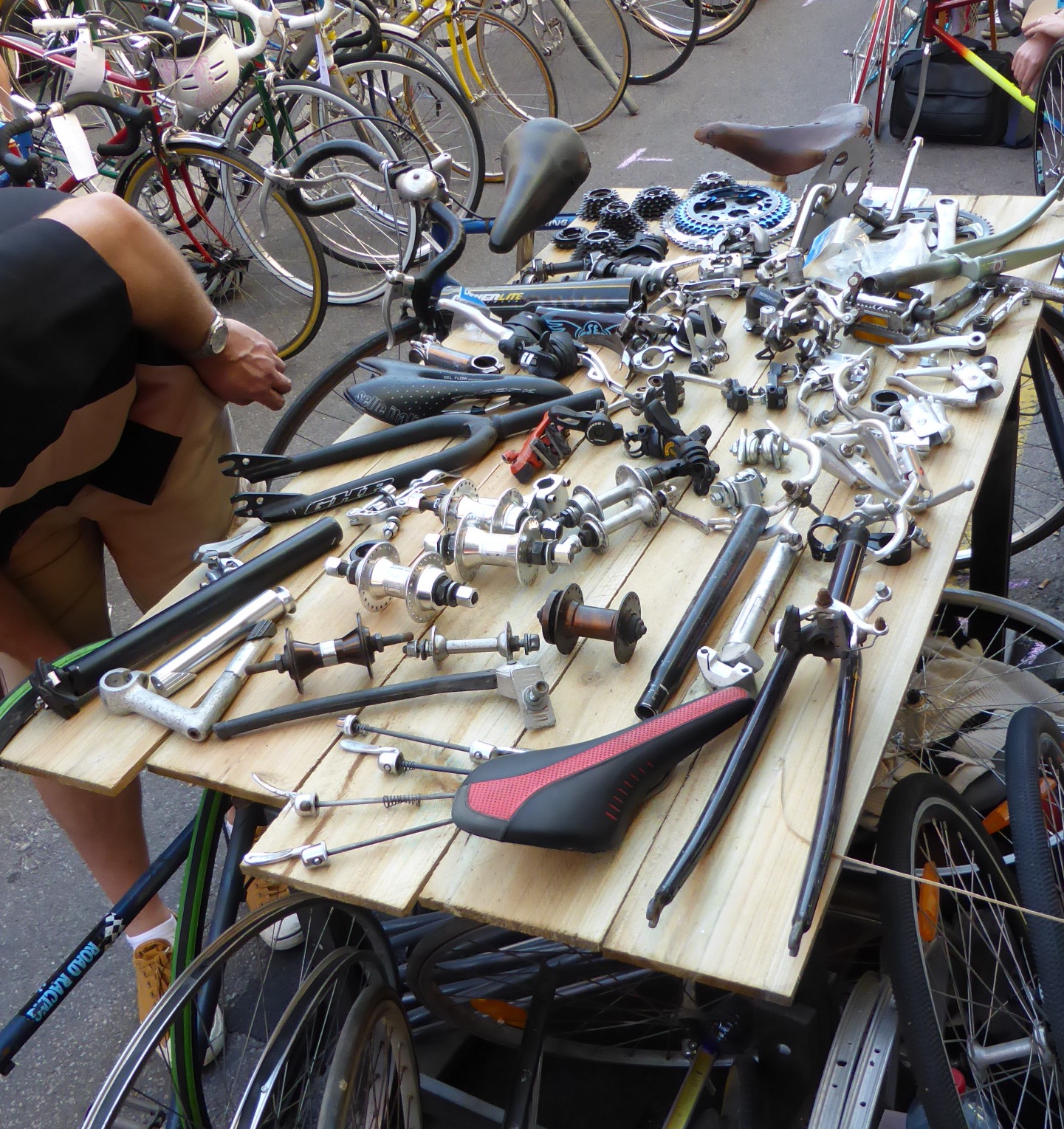
And joy – a bike jumble. Old bike bits, renovations, upgrades, fixies and lots of steel bikes.

Bikes and Baristas street Market Velo-city 2014 Adelaide

Sadly luggage limitations stop me cashing in. (And the watchful eye of my travelling companion). Indeed I might have made a killing with my personal collection of 1960s and 1970s European cycling rubbish had I but known.

But a very cool start to the week if you like that kind of thing. .And great coffee!

Bike sale Bikes and Baristas Adelaide Velo-city 2014 Bicycle jumble sale Velo-city 2014 Adelaide

Follow the arrows for a Belgian magical mystery cycle tour

Gallery

This gallery contains 17 photos.

My last Sunday in Belgium before I head off for Australia and New Zealand for Velo-city 2014 and some overdue holiday. So it was fitting that the weather turned on a spectacular day, the Walloon countryside was beautiful and we … Continue reading

Another beautiful spring day in Wallonia – what else could I possibly want to do with my morning off?


Belgium Wallonia Lasne Geoff Mayne

Riding the lanes with Dad and dog.

Doesn’t get any better!

Paris Roubaix – I Do Not Despair experiences the “Queen of the Classics”

Paris Roubaix 2014 Arenberg dust Arenberg Paris Roubaix 2014

“I didn’t really understand the point. Putting a race over all these all tracks just so they can race over cobbles. But now I have seen all this I know it has to be preserved.”

The words of my father as we joined the crowds to watch the Paris Roubaix bike race at the legendary Trouée d’Arenberg, the Arenberg Trench.

Occasional observers of cycle sport probably know that the way the fans watch cycling is to set off for the big hills so you can see the decisive moments and the riders spread out over a distance, just like I did last week at the Tour of Flanders. At Paris Roubaix there are no hills, their symbolic place in the race is taken by notorious stretches of old cobbled farm tracks and minor roads in the north of France. A hundred years ago when the race was founded they were the standard road surfaces but today sections have to be discovered or “restored” to retain the integrity of the route. Restored means “made lumpy, muddy and brutal to cycle on”.

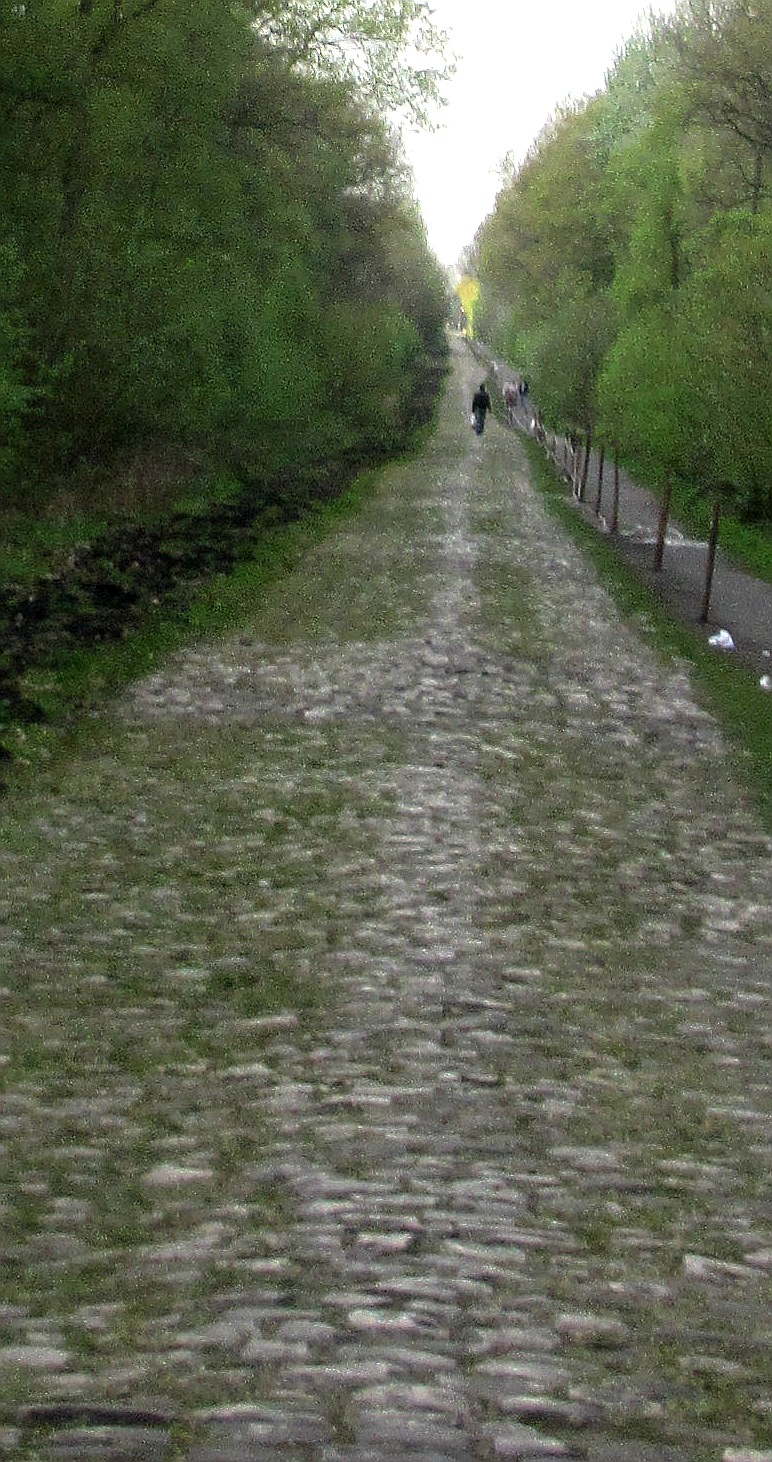
Today the Arenberg is one of the stars of the show. This was a former service road to the old mines of Wallers-Arenberg, discovered hidden in forest by a former rider who not only lived nearby but had worked in the mines. When local roads were improved and made too easy Paris Roubaix diverted over this section and a legend was born.

The route is traffic free all year round and shaded by trees so moss grows on the stones creating havoc in wet conditions. The closeness of the fans and the trees gives it the appearance of a tunnel, heightening the impact. It was actually kicked off the race route for a few years because it became too dangerous for even Paris Roubaix but the local community rallied round and paid for the stones to be restored.

It isn’t the decisive moment in the race because there is still 100km to go but it is known as the place where the main action starts. So when I was choosing a place for us to watch our first Paris Roubaix I had no doubt at all where I wanted to be, I have seen it on TV so many times I wanted to be part of that atmosphere.

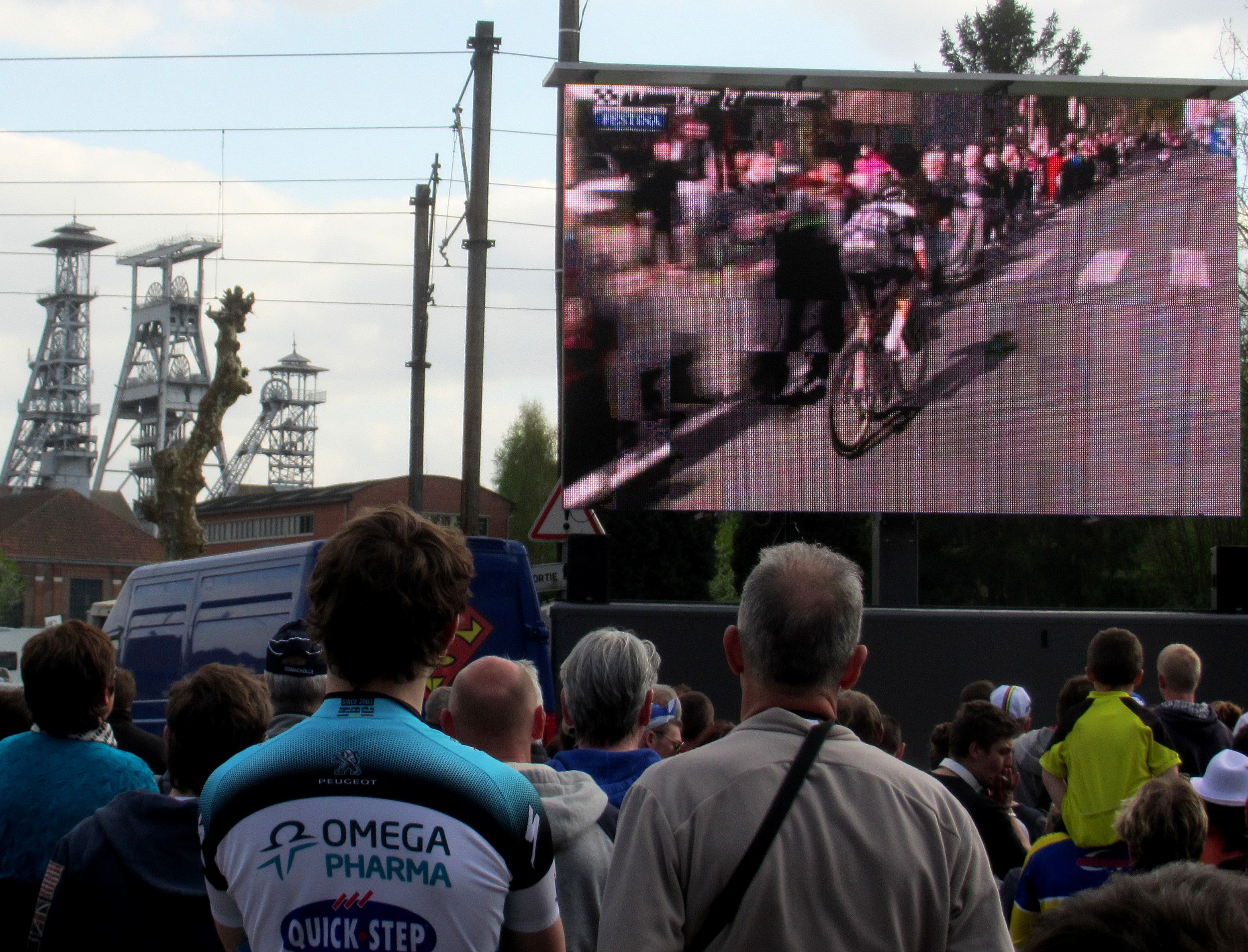
When my research found that there is also a fan village run by the community with the obligatory food, drink, hospitality area and big screen the decision was confirmed, we could watch the race come through and then follow it through to the finish on the screen. The backdrop is the mining museum which celebrates the heritage of the area.

Watching Paris Roubaix at Arenberg

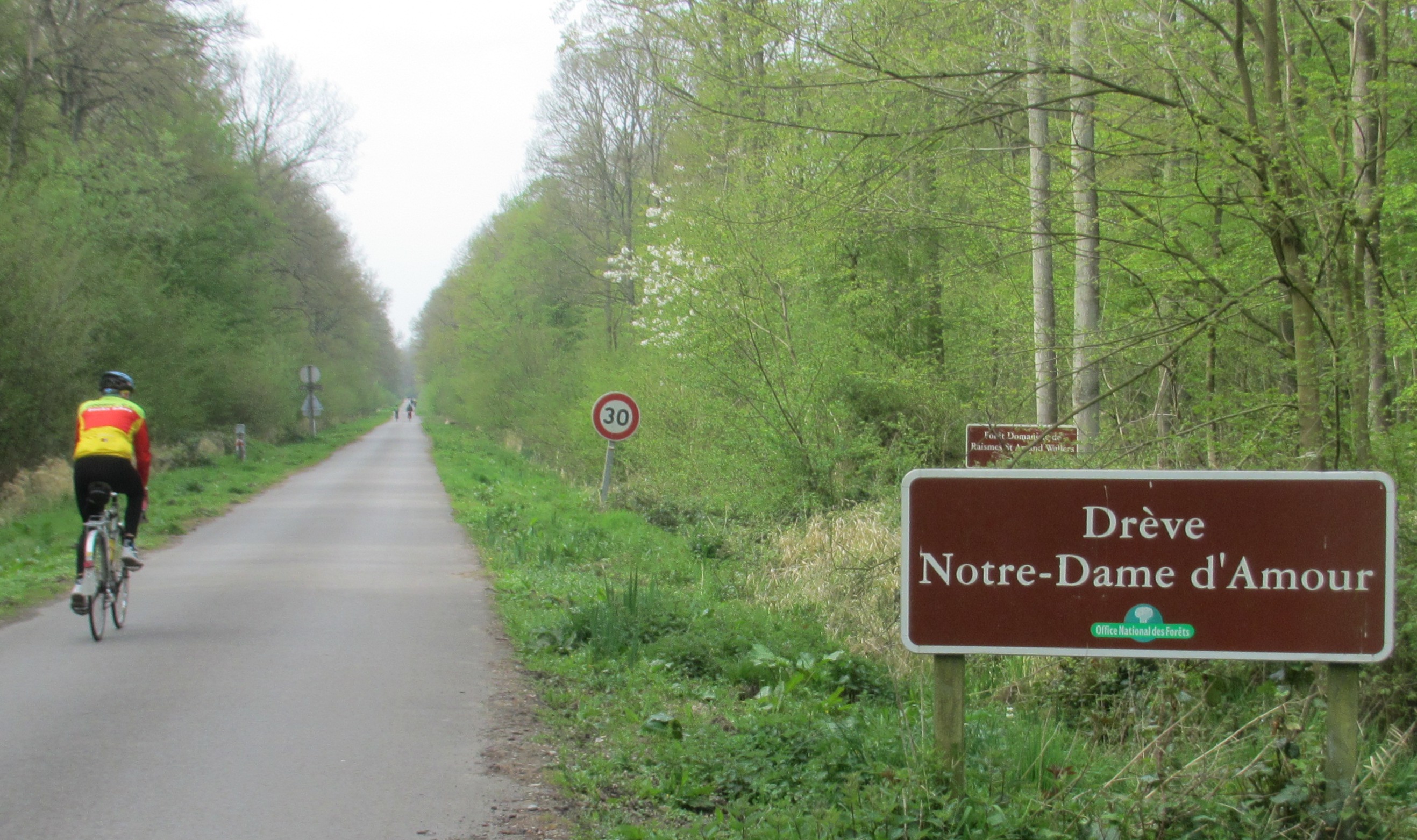
We parked about an hour’s ride away and pedalled our way around and through the forest on some delightful car free roads and tracks until we popped out of the trees onto the course.

Foret de rasmes France

entrance to the Arenberg paris Roubaix

From here the spectators walk along the 2km of arrow straight road that form the route, or as we did they thread their way through the surrounding forest on foot and on bikes.

Paris Roubaix 2014

Almost by luck we found a great spot. Almost 2km from the fan village there are slightly fewer spectators and the line at the barrier was not as deep, plus we came out by an official service area which meant there was a bend in the barriers.Waiting for Paris Roubaix 2014

By standing on the corner of this bend we had an almost unobscured view right down the course which was great in itself, but what we realised was that desperate riders being battered by cobbles will seek any sort of refuge and even 20 metres of smooth path is a huge temptation so they would actually be riding straight at us for a few seconds.

And then the atmosphere built up rapidly to an explosion of colour, noise and yellow dust.

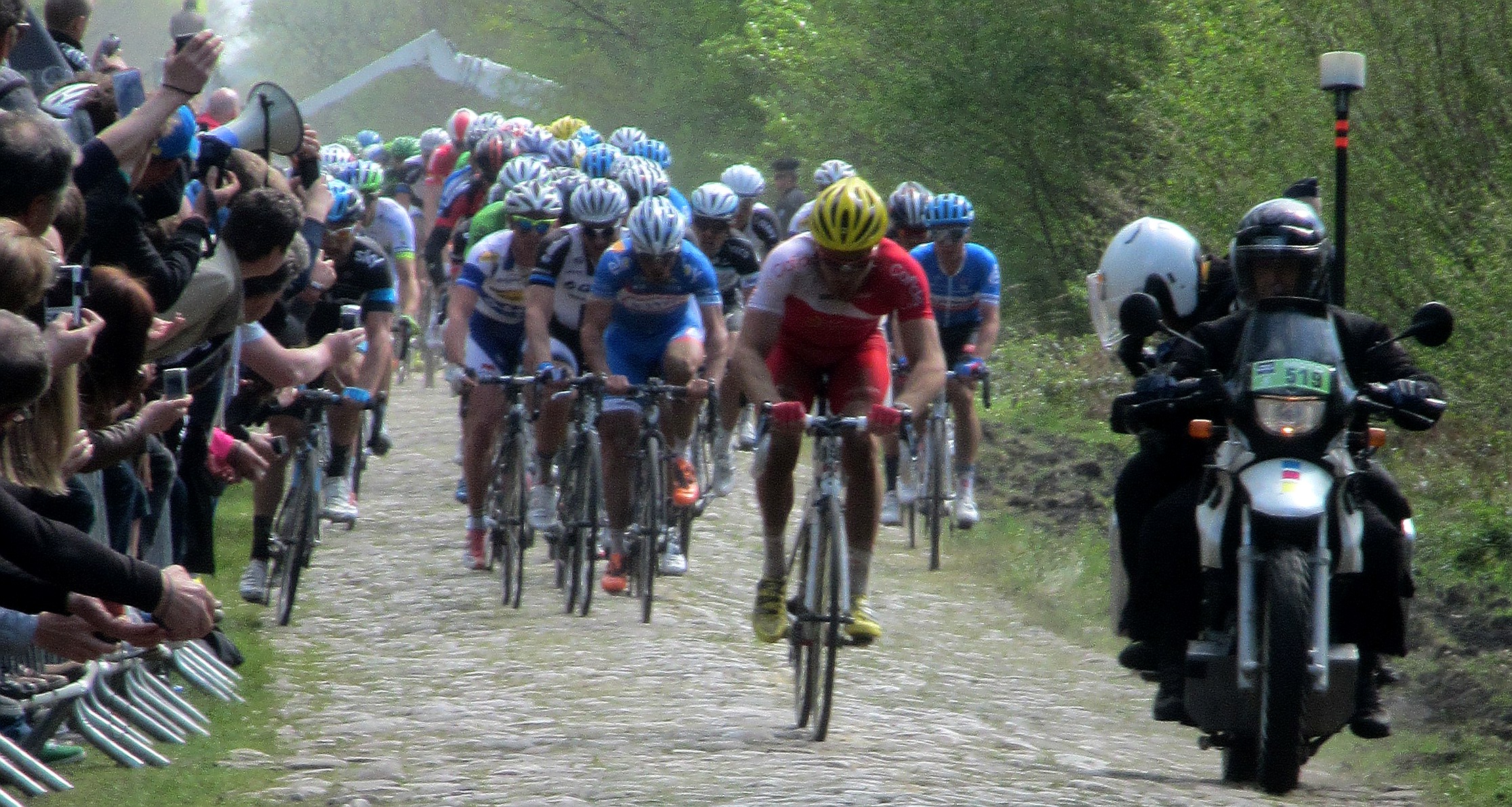
First a few service cars slewing sideways on the cambered cobblestones, then the police outriders on special trials motorbikes used only for this event. The arrival of the TV helicopter overhead says the race is upon us and the first three riders in a breakaway group hammered by, grimacing as their bikes bounced and clattered over the stones.

This is however just an hors d’ouvre. Two minutes behind the breakaway comes the peloton and there are 100 riders going flat out, probably over 45km per hour despite the cobbles, the dust, the slight uphill. At the front the leaders’ team riders were grim faced, spread across the road hammering out an incredible pace each hoping that the centre ridge or one of the gutters is marginally smoother.

Paris Roubaix Peloton 2014 Arenberg Close up Paris roubaix cyclists

And at the back of the string the body language was one of complete desperation with riders going through hell just to follow the wheels of the hard men while being hammered by the surface. Noticeably many of the long tail were the small riders who suffer horribly in these conditions compared to the big power men at the front.

Paris Roubaix 2014 Arenberg

And all the time the dust, made worse for the later riders by the team cars trying to get through to people with punctures and mechanical failures caused by the terrain.

Within minutes it was over and the noise subsided to the excited chatter of the crowd as they melted back into the woods to trudge to their cars and head for home to watch the final two hours on TV. We expected a huge crowd to gather at the big screen however we were going completely against the flow as most French people left, having had their moment and knowing that there was still over an hour to go to find a place to watch. This meant that the crowd down at the fan village had a strong international flavour with the Belgians loudly cheering “Mr Paris-Roubaix”, Tom Boonen, and even a lot of Brits giving a shout when Bradley Wiggins featured in the final kilometres. Final shout of the day was left to the Dutch when their man Niki Terpstra broke away to win the race.

A lovely and unexpected feature was when Terpstra crossed the line our whole crowd just broke into applause. A huge appreciation of what we had seen, and knowledge that Paris Roubaix has never been won by a poor rider.

And then my final treat, if you can call it that.

With the forest quiet except for the service crews clearing the barriers and bagging the rubbish the Arenberg Trench was going back to sleep for another year. The crowd were clearing off towards their cars and I realised I had the whole road to myself. Time to ride the Arenberg!

Arenberg Trench Paris Roubaix

Dad made it very clear that he wasn’t going to ride the cobbles, but the side path was now open so he could ride on the smooth section while I went for it.

What a ride. I stuck it into the biggest gear I could turn and just hammered down the centre ridge as hard as I could, which was not very hard at all. More of a wobbly plod in fact. I could say I have ridden worse cobbles in Belgium. I could say I know some roads round my home with bigger potholes. But kept up for 2km, slightly up hill much of the way, funnelled into a relatively narrow width it feels unrelenting. I was puffing and sweating like I had just climbed a mountain for ten minutes.

Cycleottignies a Paris Roubaix

Then I imagined the riders doing 45kmph, after 150km, with another 17 sections of pave to come. They are super-human at times.

On 9th July Tour de France fans will see these roads in a special 1st World War commemorative stage from Ypres to Arenberg. The occasional watchers of the TV coverage may wonder what all the fuss is about but those who have seen the “Hell of the North” will know that they are witnessing something special. The favoured Tour riders who hate these hard roads of the north and spend these weeks of the cobbled classics riding in Spain and Italy could suffer a lot on a day like this.

For my part I will be glued to the coverage because I can say “I was there”. Another unique cycling experience added to my collection.

What an extraordinarily diverse machine the bicycle is. I do not despair!

Many ways to watch the Tour of Flanders

There are many ways to watch the Tour of Flanders.

Stand in your garden and go “Oh look, its Tom Boonen”

Look its Tom Boonen at Tour of Flanders

Or

Watching the Tour of Flanders

There were even the Dutch guys who brought a lorry load of delivery bikes to cycle between bars.

Tour of Flanders Bakkiefietsen Tour

I was invited by Vincent Meerschaert and friend Wauter to join them on their 100km dash between the bergs, which is almost certainly why my legs ache so much this morning.

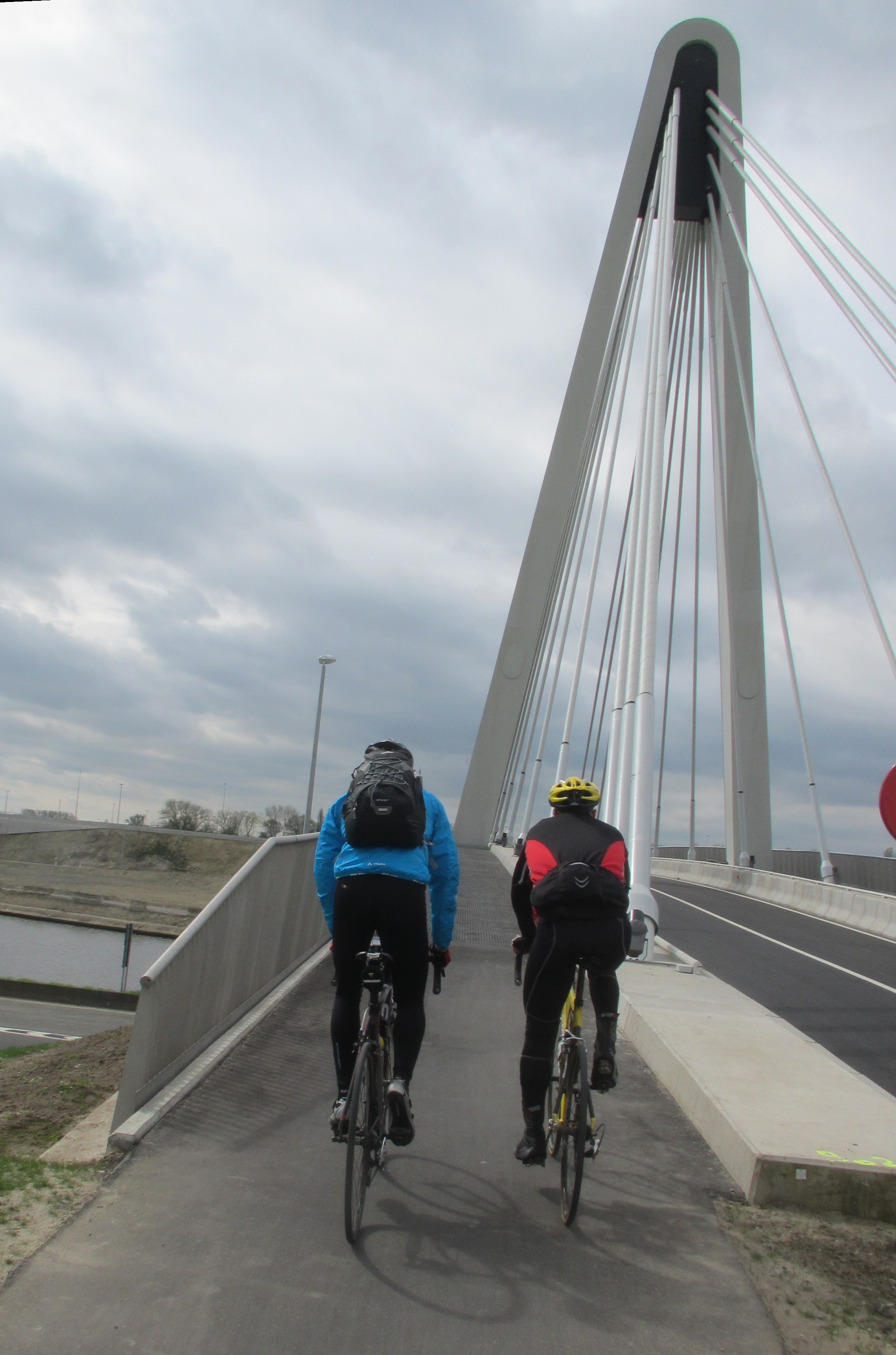
So we got to take in some superb Flemish cycling infrastructure such as the brilliant new suspension bridge near Ghent,

Cyclists Suspension bridge Ghent

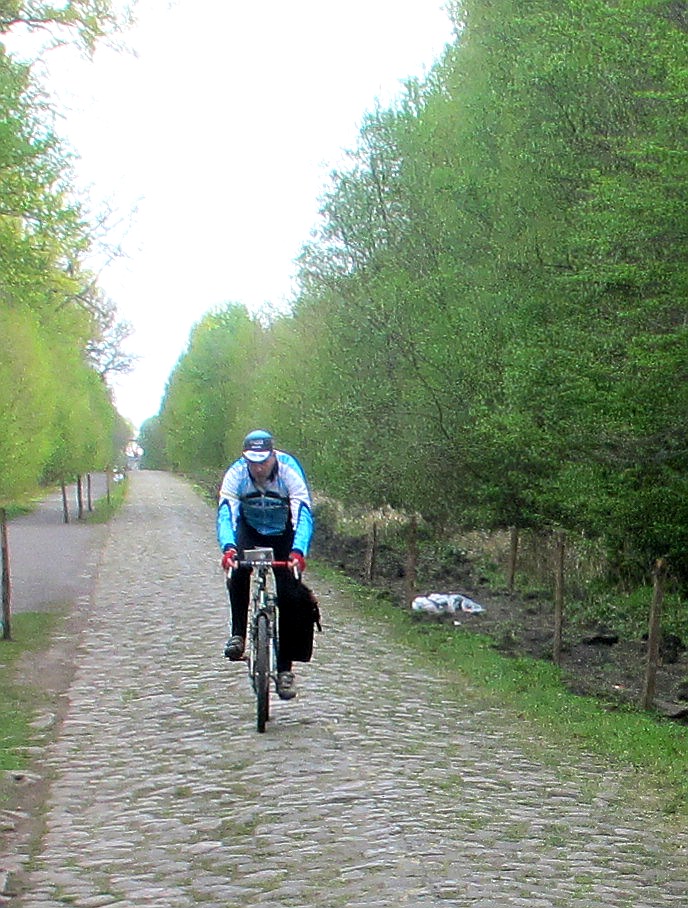
Arrow straight touring routes

Cycle touring path near Oudenaarde

And to hang around the legendary spots like the Koppenberg and the Oude Kwaremont to take in the atmosphere and see the race unfold.

Kevin and Vincent at the Koppenberg

I will post a few more photos and a more about the ride, but it is fair to say I had a great day out once again with the Belgian cycling fans. It is an amazing sport that we have which lets everybody feel so close to the riders and become part of the race. Surely Flanders is one of its spiritual homes.

Tpor of Flanders riders Haaghoek


Ahhhh, good to be back in the comfort of the peloton. The club cycle touring season kicks off in Belgium

Photo Kevin Mayne

After its winter break the Belgian cycle touring season kicked off again on the first weekend of March. Unlike the UK where I have done most of my cycling the clubs here don’t ride through the winter.

So this means that the March rides are a bit if a “get to know you” and find out who spent the winter doing the kilometres and who were doing the kilogrammes. And it brings a little trepidation, a slight return of cyclingclubaphobia until I have checked that that I can fit in to the club.

I missed the first two weeks in Taipei so this was my first ride of the year with my ambition to drop into group 2 and hide quietly in the slipstream. With the hazy sunshine I was optimistic that there might be a good few riders out so I could chose my level. And wow – 75 starters resplendent in the new club kit.

There were about 35 in group 2 and my hopes worked out quite well, because in a stiff breeze the enthusiasts that had been riding regularly were happy to take the lead, and the big lads provided what might less politely be called a solid wall of Belgian beef that provided excellent shelter!.

Collegiate Church of Saint Gertrude NivellesWonderful spring day, I could have stopped and taken hundreds of views of blossom and open fields as we skimmed the open countryside. In Nivelles the splendid Church of St Gertrude was ringing out its bells with great energy as if to welcome us, or just to celebrate the day.

Good to have the first club ride under my wheels.

Cycleottignies March 2014

Wet, steamy, green, welcoming. It must be the 2014 Taipei cycling experience

Photo Kevin Mayne

I managed to get out for three decent bike rides on this year’s visit to Taipei, however it was a very different experience to last year. The defining factor this year was water. The downpours which hit us on almost every day could certainly have killed off my enthusiasm, but instead provided a backdrop to this year’s explorations. In the previous two years I didn’t get up into the forested hills that sweep down into the city on all sides and are the product of all that rain. They go up over 1000 metres from sea level within the city boundaries and apparently cover almost half the land area which must make it one of the hilliest and greenest capital cities in the world.

Through this year’s rides I became more aware of how this landscape links with the city and how much the residents value green space and plants which burst into life in the warmth and humidity of the island. And my very final stop on the trip was the steamiest of all – the hot springs district of Beitou which deserves not only a comment as a ride destination but will get a small post of its own to follow this one.

tern social 2014

Not all things are publishable however. Our friends from Tern Bicycles put on their Thursday social ride again this year. It was social. It was a ride. As ever their bikes are comfortable and smart with some nice features. But it hammered down with rain. I have a lot of photos that look rather too much like this, and very few that look like the one below,
Tern social Taipei

Their Facebook page has a much better selection, but you get the story. But good company and a bike ride are always highlights in the Idonotdespair world, so I enjoyed it and as ever the clothes dried out. Eventually.Thanks to the Tern team.

My two other excursions were better for sharing and learning about Taipei.

Monday Youbike Bimble

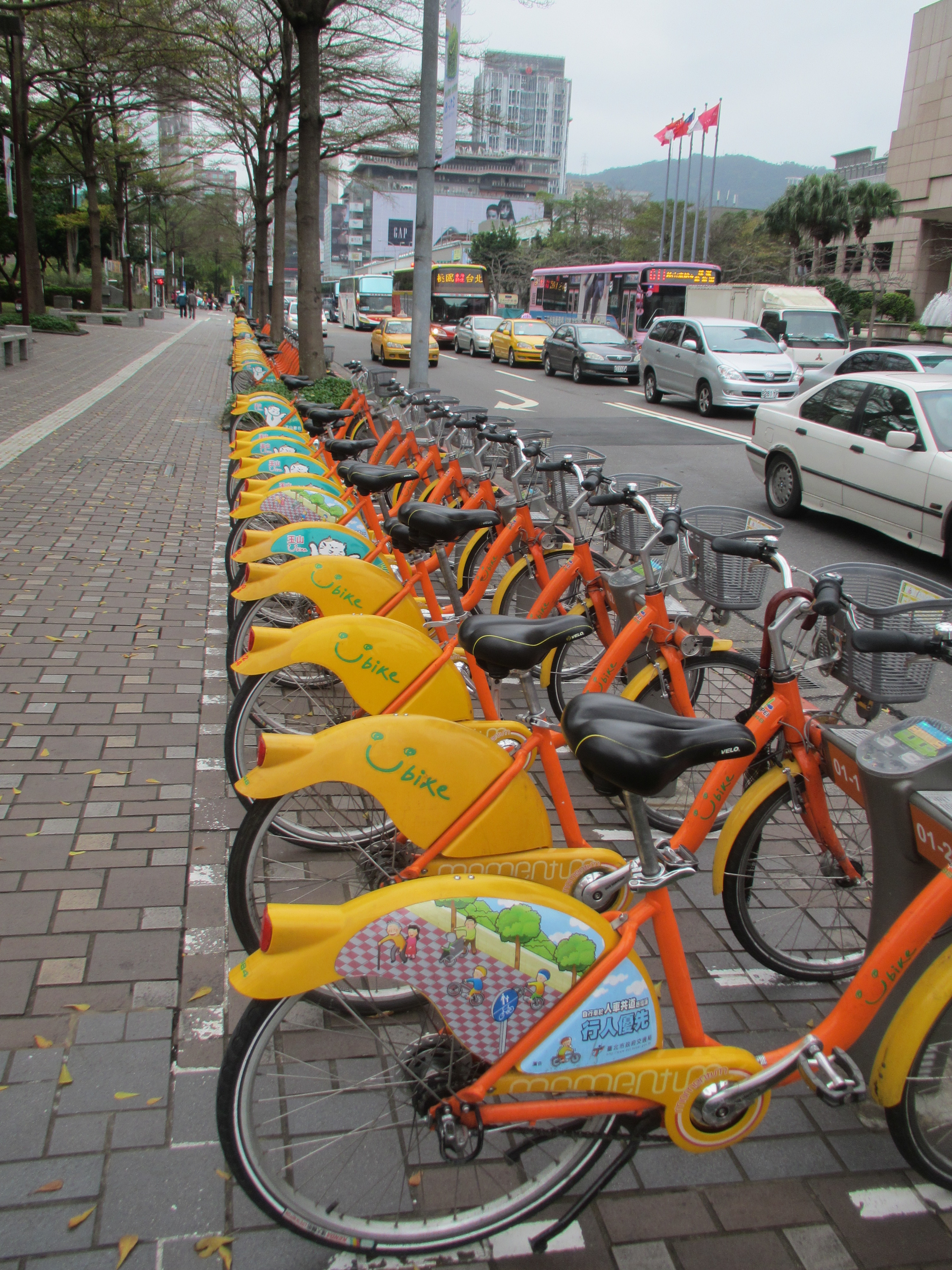
Youbikes of TaipeiA brief gap in the showers before the Taipei Cycle Show allowed me to grab a Youbike and set off from my hotel. Last year I experienced the city and the riverside cycle paths so my ambition this time was to try and get into the hills I could see from my window.

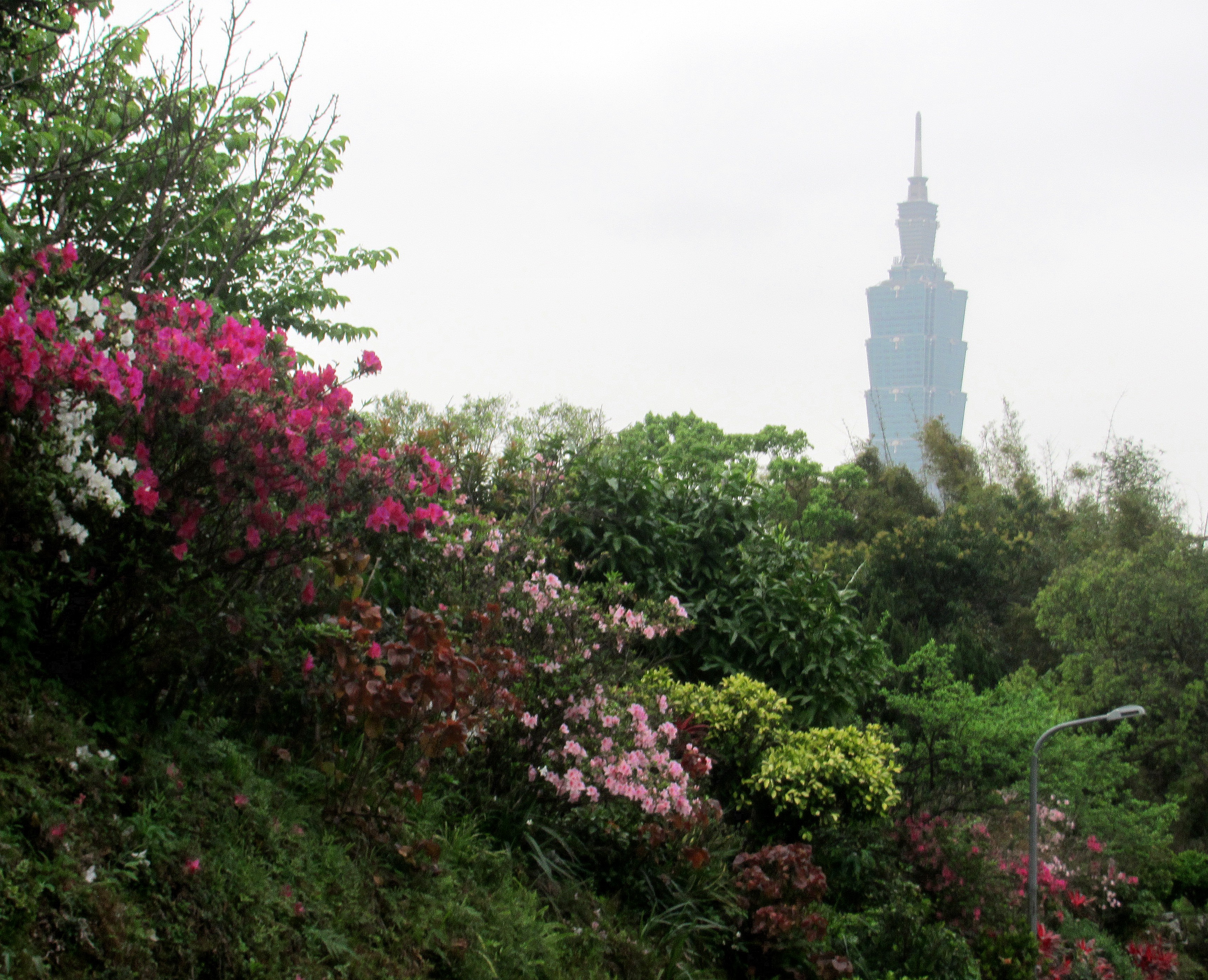
Xinyi district is mostly known to travellers as the administrative centre, shopping and property hot spot of Taipei, focussed around the City Hall and Taipei 101, for several years the world’s tallest building and an icon of Taipei. The area has modern malls, offices and busy roads. There are cycle lanes and Youbikes too, which is handy.
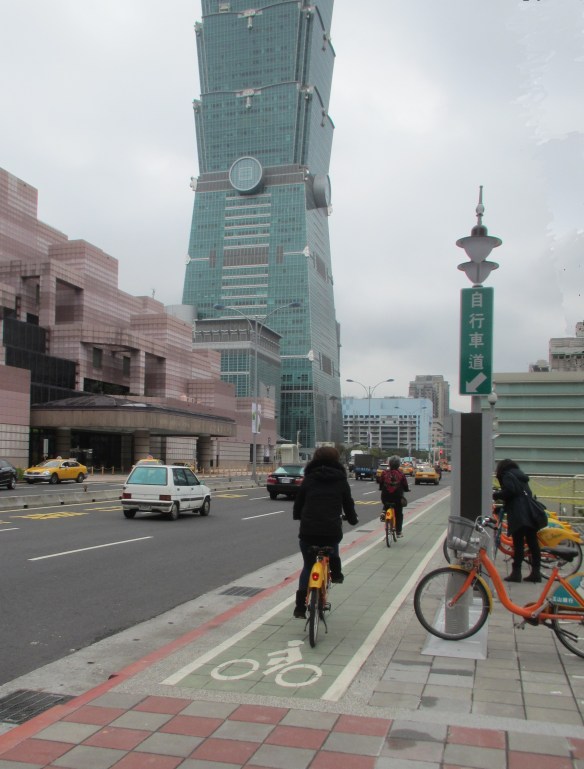
Taipei 101 and cycle paths

Xinyi district TaipeiBut within just a very short distance by bike the very new developments end and disappear into a maze of residential alleys and back streets which rear up into the steep slopes and verdant forest of the hills. Out of curiosity I heaved myself up some of these steep ramps to the bemusement of the residents who were clearly not used to seeing tourists round here. There are also a number of waymarked and well signed walking trails that were leading up to the mountain tops which showed a considerable local demand for enjoying these green spaces. The Fuyang Eco Park was busy with walkers and joggers, plus it gave me the backdrop to my lovely moment with a Grandfather teaching his granddaughter to ride (see earlier post)

What immediately caught my eye is the way the buildings seem to just merge into the hills, only stopping at the steepest of overhangs.

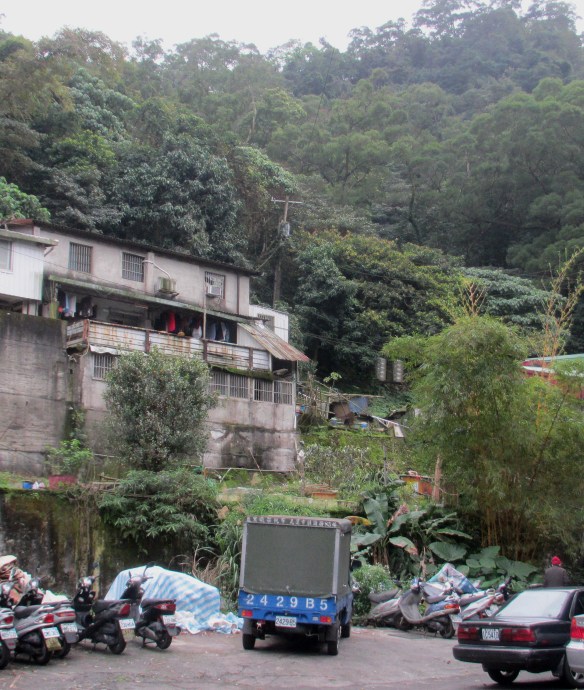
Houses on hills Taipei

Taipei hillside houses

Plants and houses Taipei

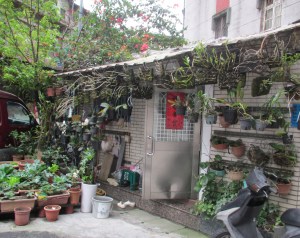
And not only is the greenery outside, there is clearly a passion for plants with every balcony and doorway having a range of healthy looking plants in pots. Where there was a flat spot these would often be flourishing vegetable patches or in the middle class gardens there were beautiful flashes of colour from decorative foliage and flowers.

Gardens of Taipei Taipei Gardens

It is such mixture in a small area. Small industrial plots, temples, shacks, apartment blocks and expensive villas catering for all levels of society. Given a different bike and a stronger constitution I might have climbed more of the side streets, but a three hour bimble around the different areas was full of variety.

The traffic was also well behaved too, the streets are narrow and busy which has a traffic calming effect which I appreciated.
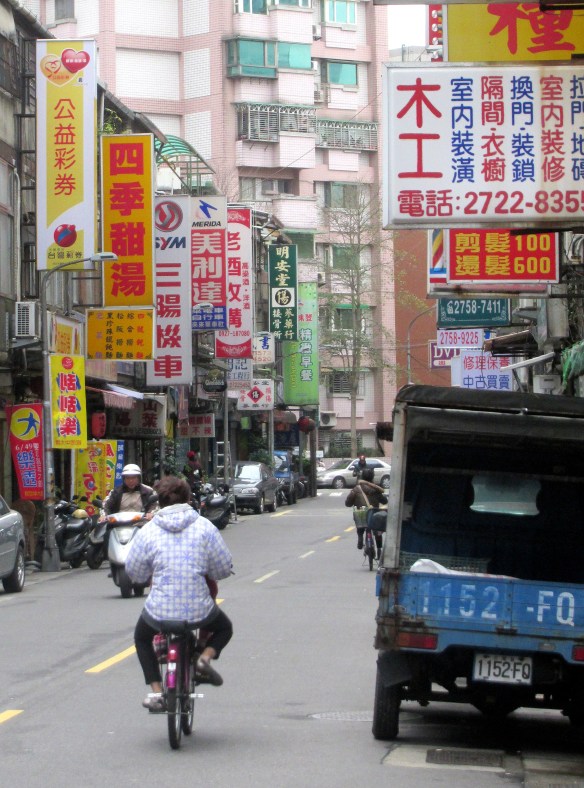
Cycling Taipei alleys


Saturday touring ride.

My second memorable ride was on Saturday, the day we left. We were invited out by our new friends at Formosa Lohas Cycling Association www.flca.tw to come and see how they organise their touring rides. The club is relatively new but is making strong progress with a mix of promotional activities for cycling, especially based on cycle touring, events and cycling education for children. As my regular readers know I am very fond of cycling clubs and within minutes of chatting to Development Director Demi Huang and her colleagues it was immediately clear that we were kindred spirits, chatting away about rides, routes and advocacy for ages.
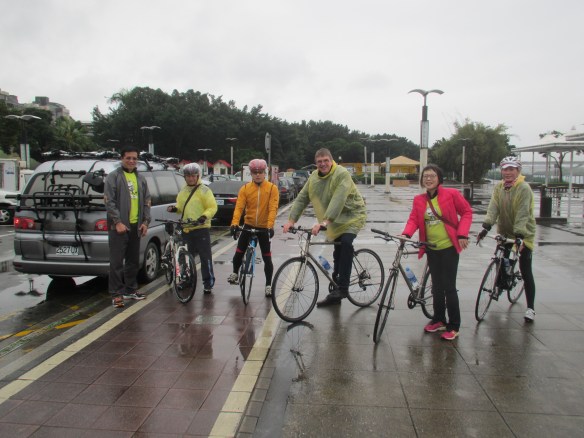
Formosa Lohas Cycling Association and ECF

Demi offered us a ride with some of the club’s experienced Tour Guides and we suggested a half day starting in Taipei so that we could also pack our bags and prepare for departure. To be honest, the omens were not good because the rain just bucketed down all morning, but at least it wasn’t cold so Bernhard and I were up for the ride.
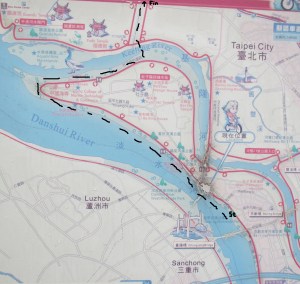
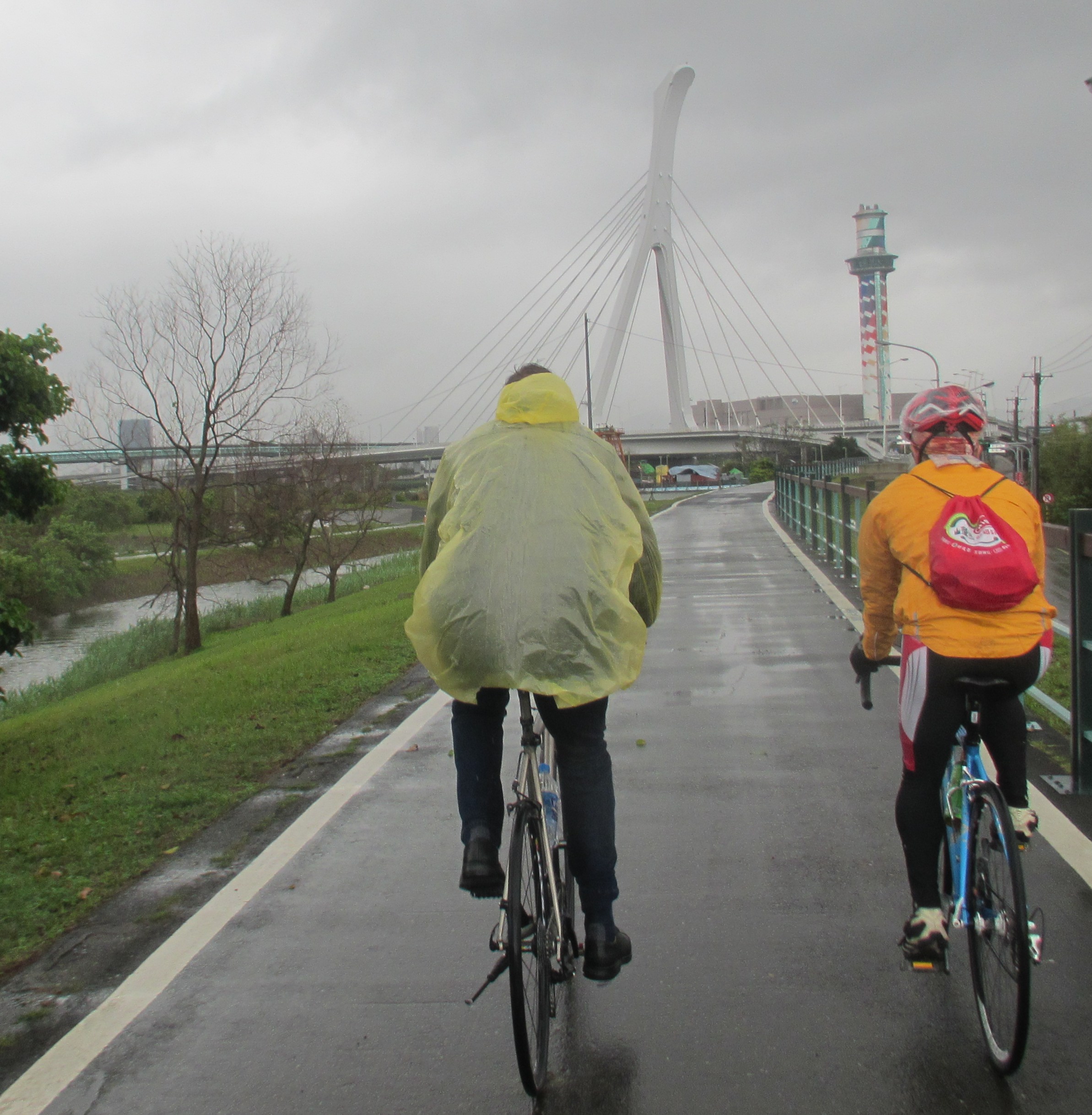
Cycle route map TaipeiGathering point for a small but hardy group was down on the riverside cycle path where we were kitted out with two nice sporty looking machines with straight bars. Guide James explained our route, a loop of about 20km around the river banks, then up to “Hell Valley” and the Beitou Springs area. The convenient planning board shows that we were to go out into the teeth of the rainstorm and then take a more sheltered line up to Beitou.

The opening kilometres were certainly exposed because our route was not down at water level like other sections of the path that I rode last year. This section sits right up on top of the typhoon defences and looked down on the homes and businesses behind the wall. The views were expansive, but decidedly murky. Clearly Bernhard was at home, this could almost be a Dutch dyke path.

Riverside cycle route Taipei

Beyond the walls were mud flats and reed beds that are now popular for bird watching. It was hard to imagine our hosts description of the rivers as the centre for trade with waterside wharves everywhere. Today it is a world closed off from the city.

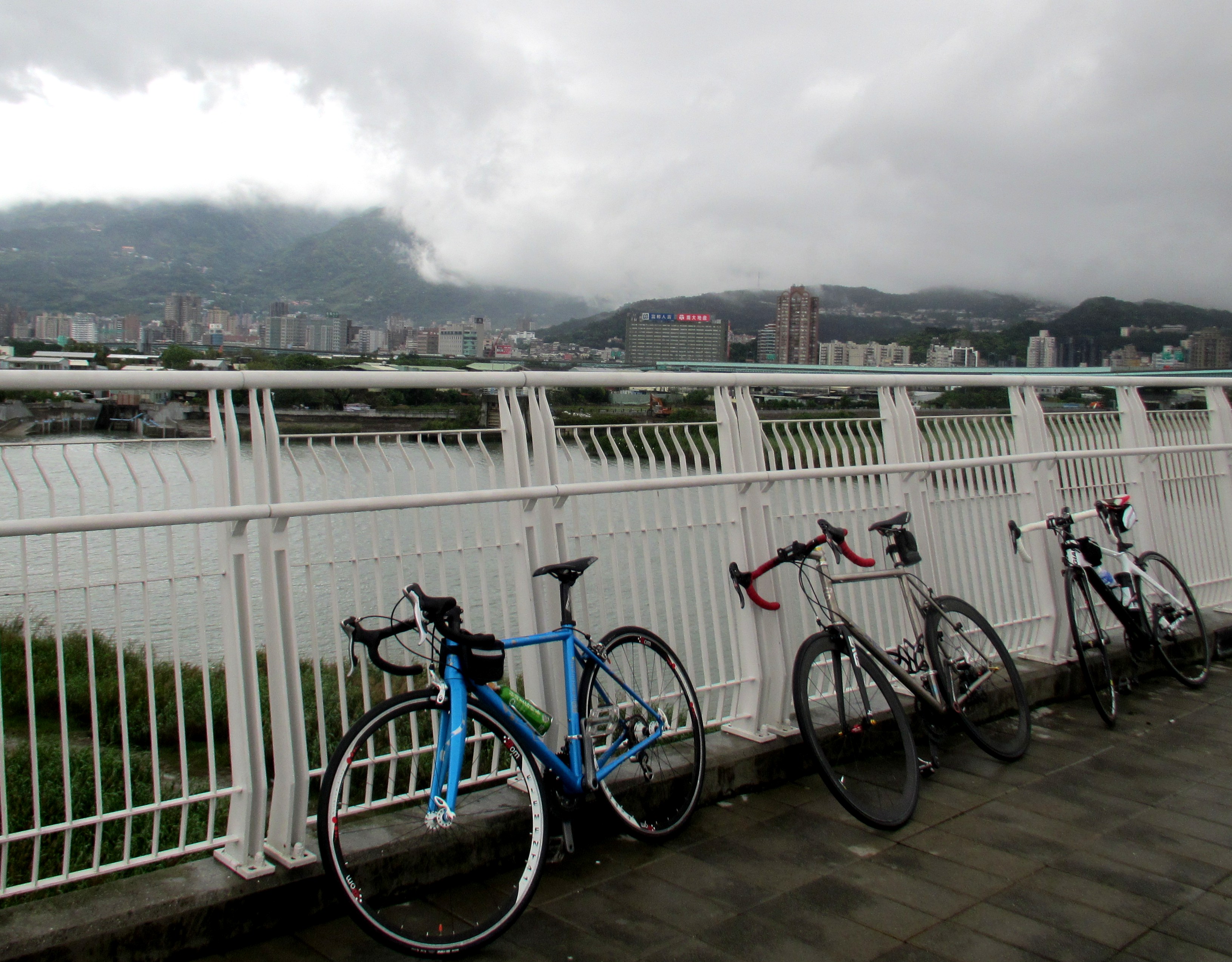
Once round the confluence of the two rivers we had the wind behind and swept towards a very impressive suspension style bridge. We were struck by the cycle ramps, huge cycle lanes and segregated sections for bikes, scooters and cars.

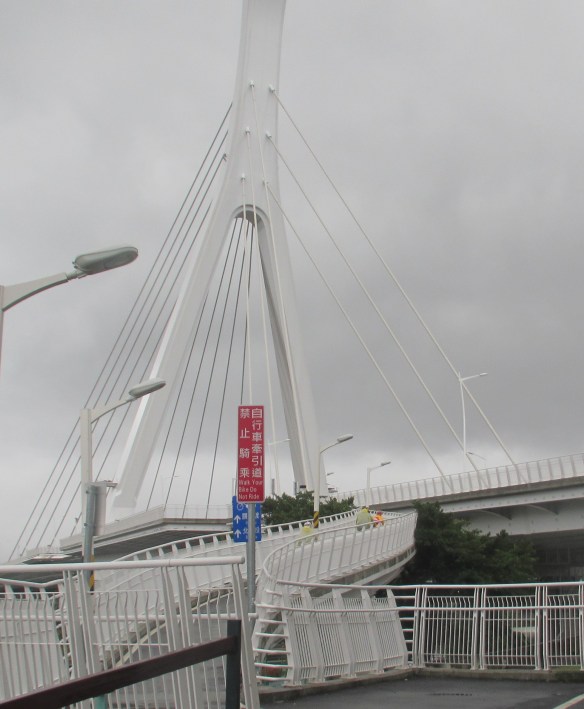
Taipei cycle path and bridges Suspension bridge Taipei Bikes bridge and clouds Taipei

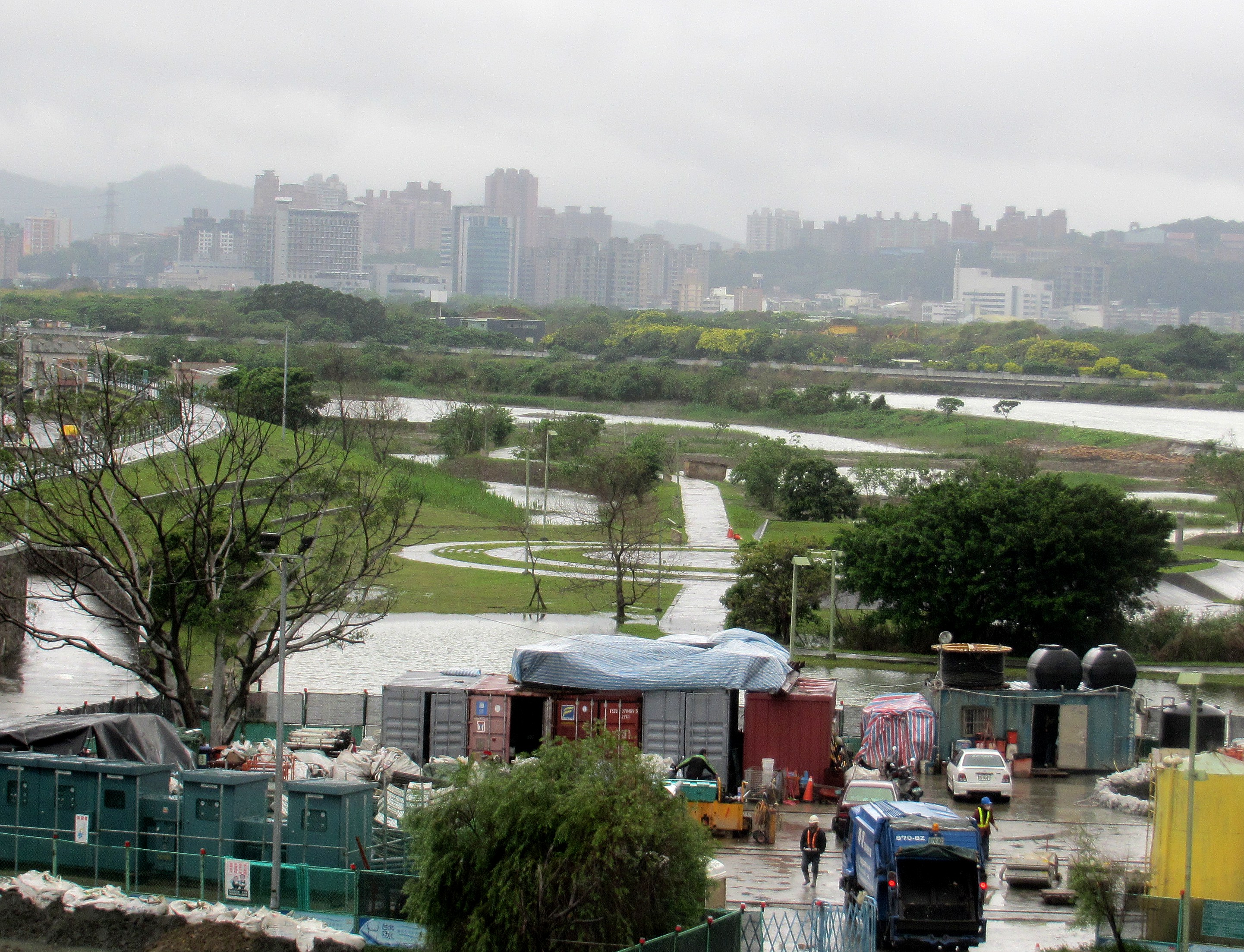
The view from the bridge was interesting too, it gave an impression of how committed the local authorities are to high quality facilities along these river paths. We could see a fun mountain bike park already completed and under construction a water filled park being landscaped to fit the land space between typhoon defence and river. Clever use of buffer land which will also improve flooding resilience. Now if only other countries were that sensible.
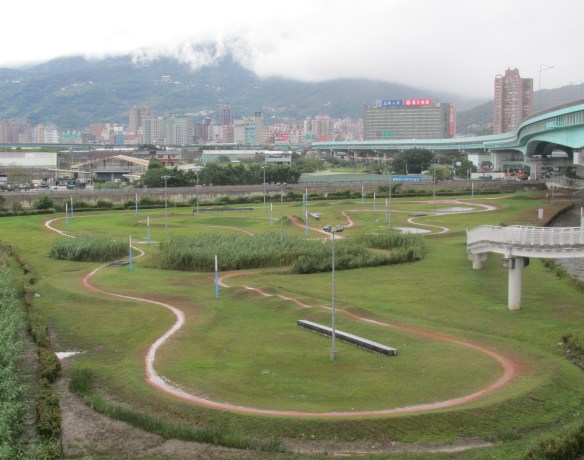
mountain bike track in Taipei New riverside park in Taipei

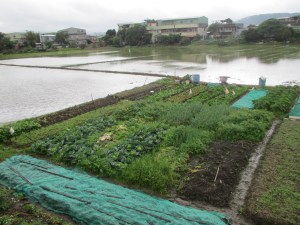
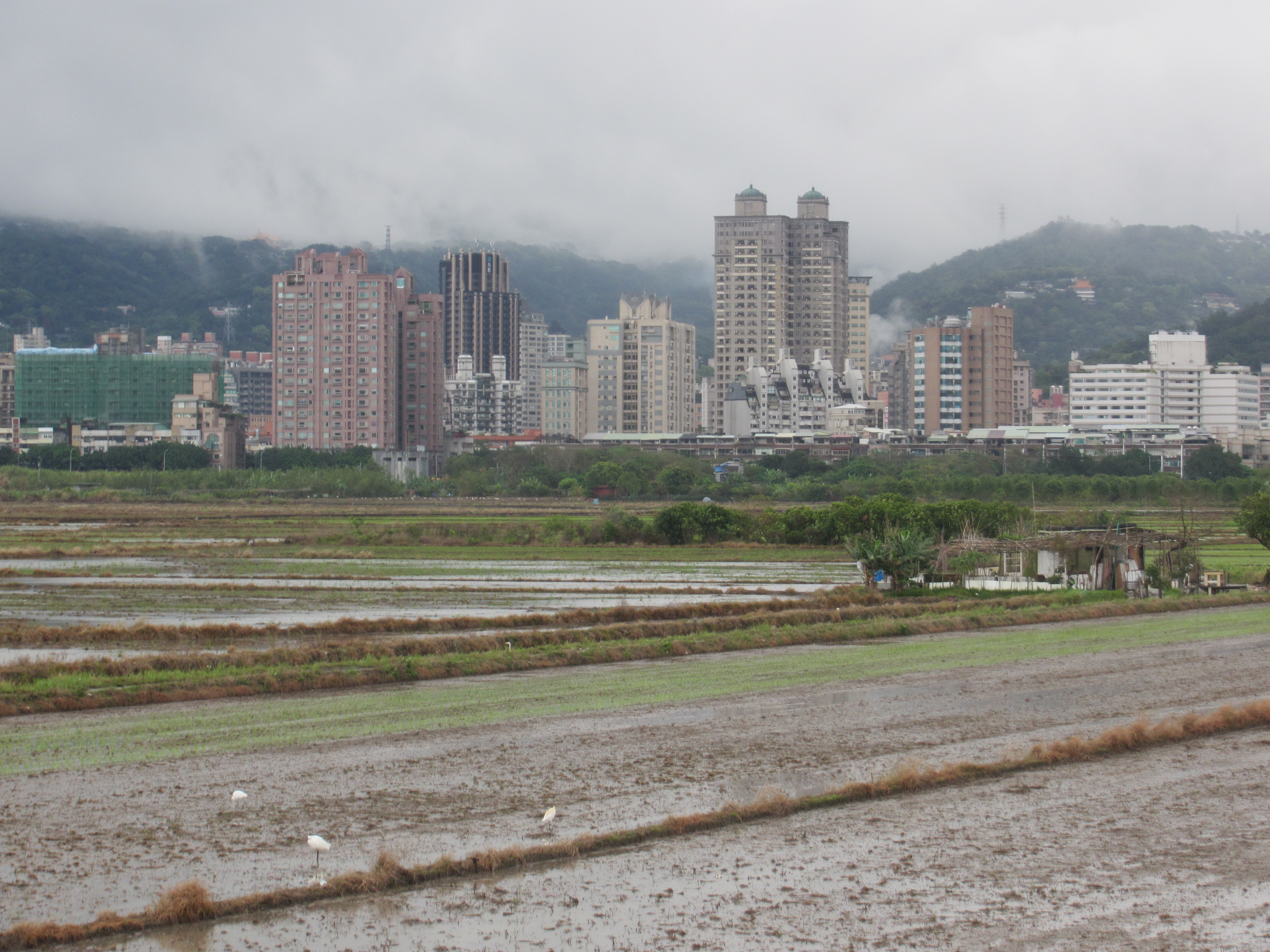
Rice paddy field and vegetable garden TaipeiThe benefits of local guides were apparent when we swung away from the river bank and headed north through a series of embankments and small roads. Our guides called this “our secret route” and it was a treasure. Almost vehicle free but taking us through something like a garden zone of rice fields and market gardens cutting right into the heart of the city. Several people I have talked to spontaneously started talking about the Taiwanese love of fresh fruit and vegetables and the expertise of their farmers, certainly the quality of the fruit and veg at meal times is outstanding. We were rewarded with herons and cranes foraging in the rice fields as we passed, oblivious to our presence.
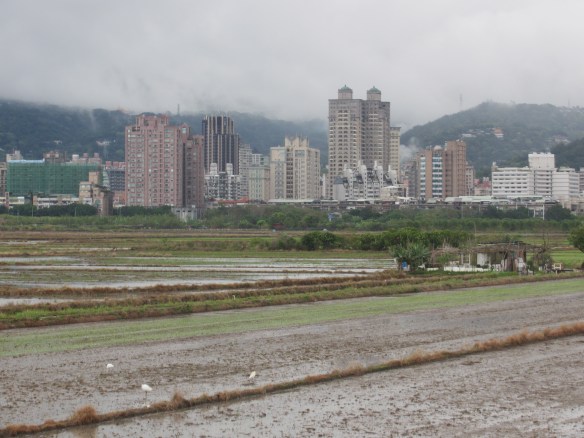
Paddy fields with white birds Taipei

It was almost a shock to pop out of the quiet lanes into urban hustle but we had been brought almost to the heart of Beitou by our guides. A gentle climb took us up to a range of sights in this popular visitor area.

The true finish of our ride was the thermal valley itself, which was a mass of steam and smells of sulphur where the hot water gushes up from the volcanic rock at a temperature of almost 90 degrees. All around us streams carried away hot water to be piped into the hotels and bath houses which have been a feature of the area since Japanese occupation from 1895-1945. The main bath house, now a museum, was built in 1913.

Beitou Thermal valley

Our day finished with steaming hot baths in a hot springs hotel and a delicious meal with our guides, but more of that in my next post.

For now let me just say that once again the friendliness and hospitality of our Taiwanese hosts was unbeatable. The Formosa Lohas guides were knowledgeable and courteous cycling guides and I am absolutely sure that one of their multi-day rides around Taiwan would be a great holiday. James was clearly an experienced leader and Bike Lin (yes that is his name) is the author of two well-regarded tour guides about cycling in Taiwan so I am not surprised they are getting more and more enquiries from around the world. They are going to be popular and welcomed members of the ECF cycling family too.

In summary – another week in Taipei which turned out to be far more than rooms full of bikes on show. Increasingly the international travel media is saying that cycling in Taipei is one of the country’s visitor highlights. I am not going to disagree.
The start of a cycling life

Godric Cycling Club Logo

Some 16 years ago I was offered a job with CTC, the national cyclist’s organisation in the UK. For me the move was never a doubt once the offer was made. Yes we had some real challenges, I was stepping out of a business career that saw us swap a settled lifestyle in Cardiff to a much lower paid job in one of the most expensive places in England. But no doubt whatsoever about the move to cycling on my part.

Not so my old boss. When the the Chair of CTC’s board phoned my corporate boss for a reference he unexpectedly got his ear bent for nearly 20 minutes about how I was throwing away my career for a whim. And he made it pretty clear that he blamed CTC for throwing temptation in my path. He made the same point very clearly to me. The CTC Chair was extremely rattled and spent much of the next two years worrying that I had taken the job on emotion and I might soon set off back to my corporate life.

But of course my old boss had no idea about my deep connection to cycling and the irresistible draw of a dream job. But then again nor do some of the people I work with today. Because in our world of common sense cycling in European cities it really isn’t essential to be passionate about the sport or pastime of cycling to know what a civilising effect it has on a city. I heard this best described in Copenhagen. The city cycling officer said “In Copenhagen you get up in the morning, you clean your teeth, maybe some breakfast then you bike to work. Nobody thinks about having a club for people who clean their teeth, it’s just what you do.”

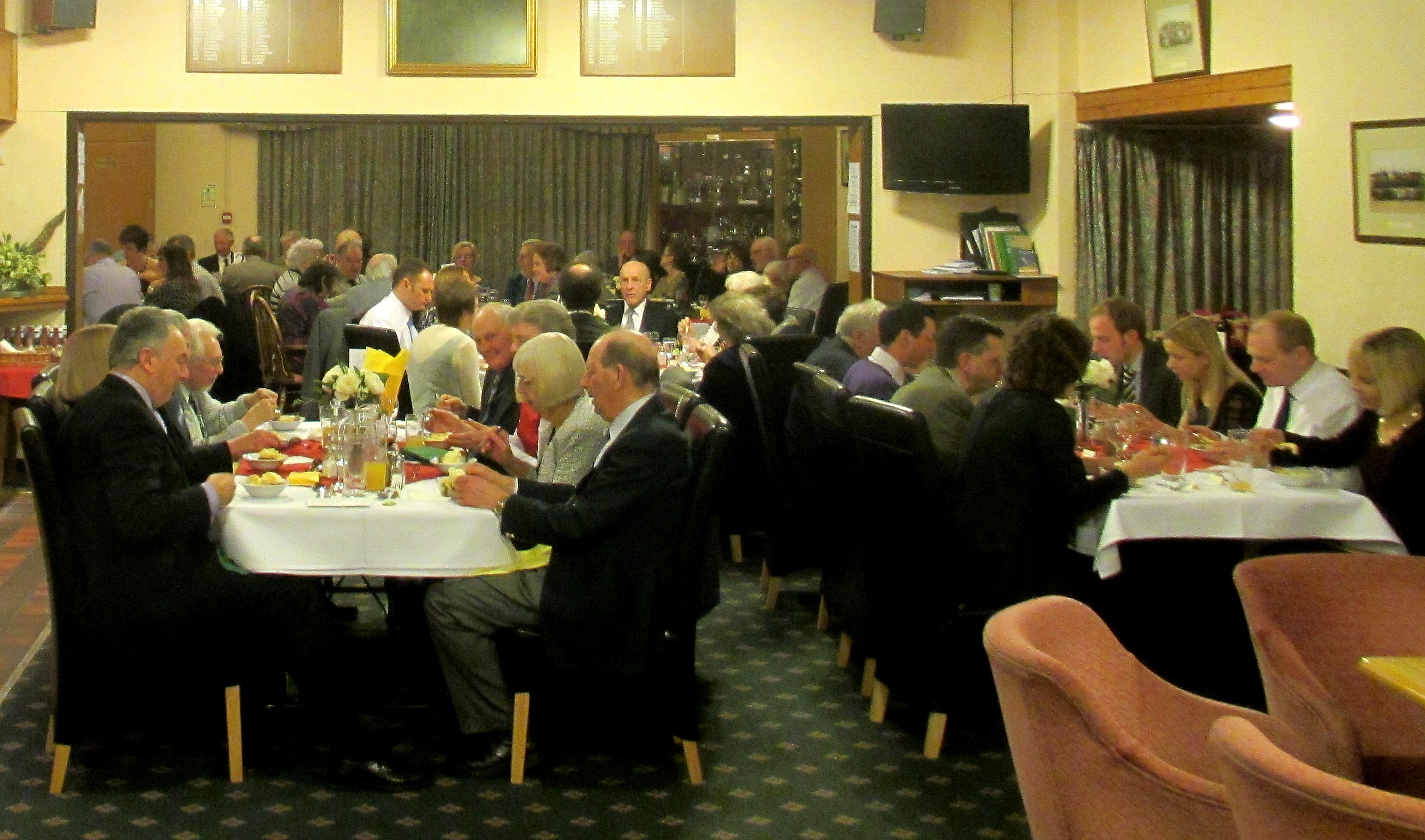
Well in my childhood cycling to school was still quite normal. But being a “cyclist” wasn’t. My trip back to Bungay was a chance to celebrate that with the people who made my cycling life possible, the Godric Cycling Club. I went back as the guest speaker at their Annual Dinner and prize presentation. About 70 people took over the local golf club, many of whom I have known since childhood, either my parents friends or indeed my own schoolmates from the 1970s.

Godric Cycling Club Annual Dinner 2014

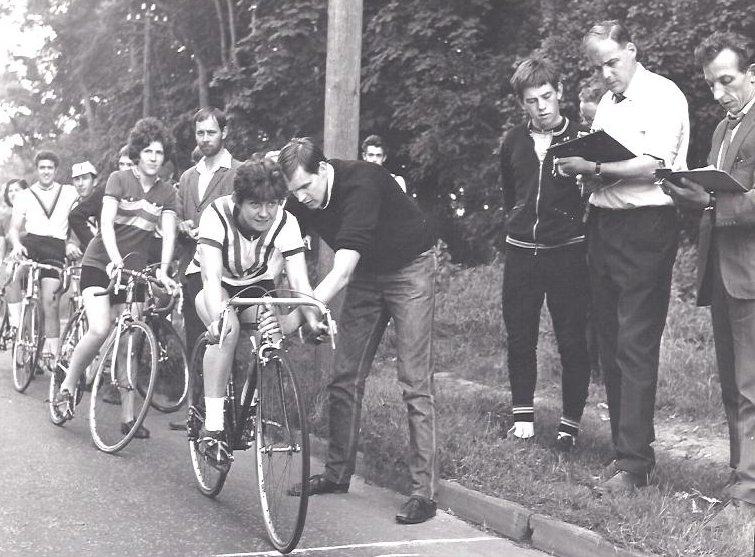
Time trial start mid sixtiesClose to my heart? My earliest memories are of being carted off to races at ungodly hours in the morning, waking up to ask if Mummy or Daddy had won. Even now my dad is the Chairman, my mum organised the dinner and there were enough relatives to have their own table, these really are my cycling roots. And the club itself has rocked from time to time, but when a glass of wine was raised to toast the founding members of sixty years ago it was brilliant to see several in the room.
Godric Cycling Club Dinner 2014

As an after dinner speaker the job is of course not to overstay your welcome, entertain with some travellers’ tales and in my case throw in some anecdotes about the quirks of cycling in Belgium then get out of the way so everybody can get round to collecting their winnings from the groaning table of prizes and on to the raffle.*

Godric Cycling Club Trophies

But as part of my speech I said roughly this:

I wasn’t such a great racing cyclist. I am proud that my name appears on at least one of these trophies, but my speeds were not exceptional. (“I’ll second that” agrees a voice in the room)

But this club gave me the opportunity to be what I am today. Firstly the club was always a supportive place to be, it let me go forward in another way. I got the chance to try out things that some young people never get to do. At 14 they let me be the club-room secretary, having the keys the club building, selling Mars bars and drinks or organising the table tennis tournaments in the winter.

At 16 I organised my first open race. It was probably so inconceivable at the time that nowhere in the rules of cycling did it set a minimum age for event organisers, so I just put my hand up to run one of our cyclo-cross events. These were chances you just cannot replicate.

And of course when I went on to university I got involved in running our cycling club, making friends for life but also filling my CV with more of those try-outs for real life that came with the territory. Discovering the stunning region in which we lived while the other students made it little further than the bar. Plan and lead group rides? Deal with bureaucracy? Plan cycle tours round France? But of course we did, it just was just the world I knew. And every one of those experiences enriched my CV and when at 23 I didn’t have a clue what to do I discovered that what I was really equipped for was something called management. I’ve been there ever since.

So now I have the unque honour of traveling Europe managing cycling programmes, talking about cycling, promoting cycling, meeting people who are battling to grow cycling in small groups in cities that often don’t really seem to care. Or put me in a Belgian cycling club where I don’t even speak the language. I know I am among friends. Because the Godric Cycling Club made that my world, a very comfortable place to be. I hope that all cycling clubs continue to give a next generation of young people that chance, the chance to grow up as individuals, not just as places where the only winners are the ones who go fast. That has made cycling so much more to me that brushing my teeth. Its what I do, it’s my people.

When I join a group of cyclists I do not despair.

Thank you Godric Cycling Club.

Godric Cycling Club Sunday Club Run

Related posts:

“I love club dinners”

“Cycling’s helpers” by David Horton on the ever excellent “Thinking about Cycling”

Press report in local media

* On the podium on the Champs Elysee after getting his trophy for his Tour de France win Bradley Wiggins, Britain’s first ever winner said “Are we going to do the raffle now?” Millions of spectators worldwide were completely baffled. About 30,000 club cyclists in the UK just collapsed with laughter, recognising just how many local cycling club dinners Brad must have attended during his career rise. One of us.

What is it about Stockholm and hotels? Struck lucky again at the Hotel Rival

Hotel Rival sign

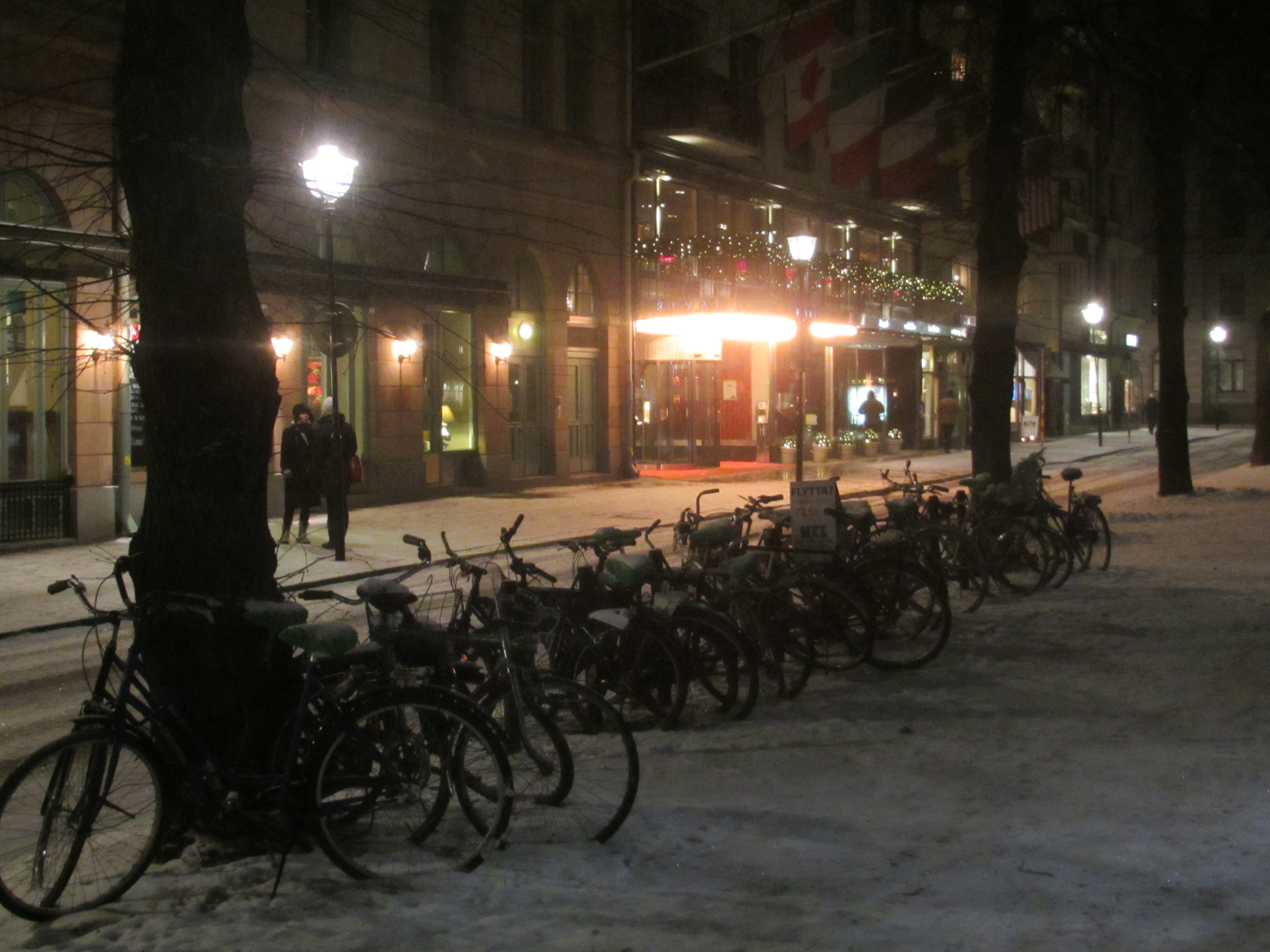
Mariatorget and Hotel Rival Stockholm

Gamla Stan Stockholm Old TownA year ago I was booked into one of the quirkiest hotels I have had the pleasure of visiting on my travels when my Stockholm host booked me into the Lord Nelson, a rather bonkers maritime themed hotel in the old town.
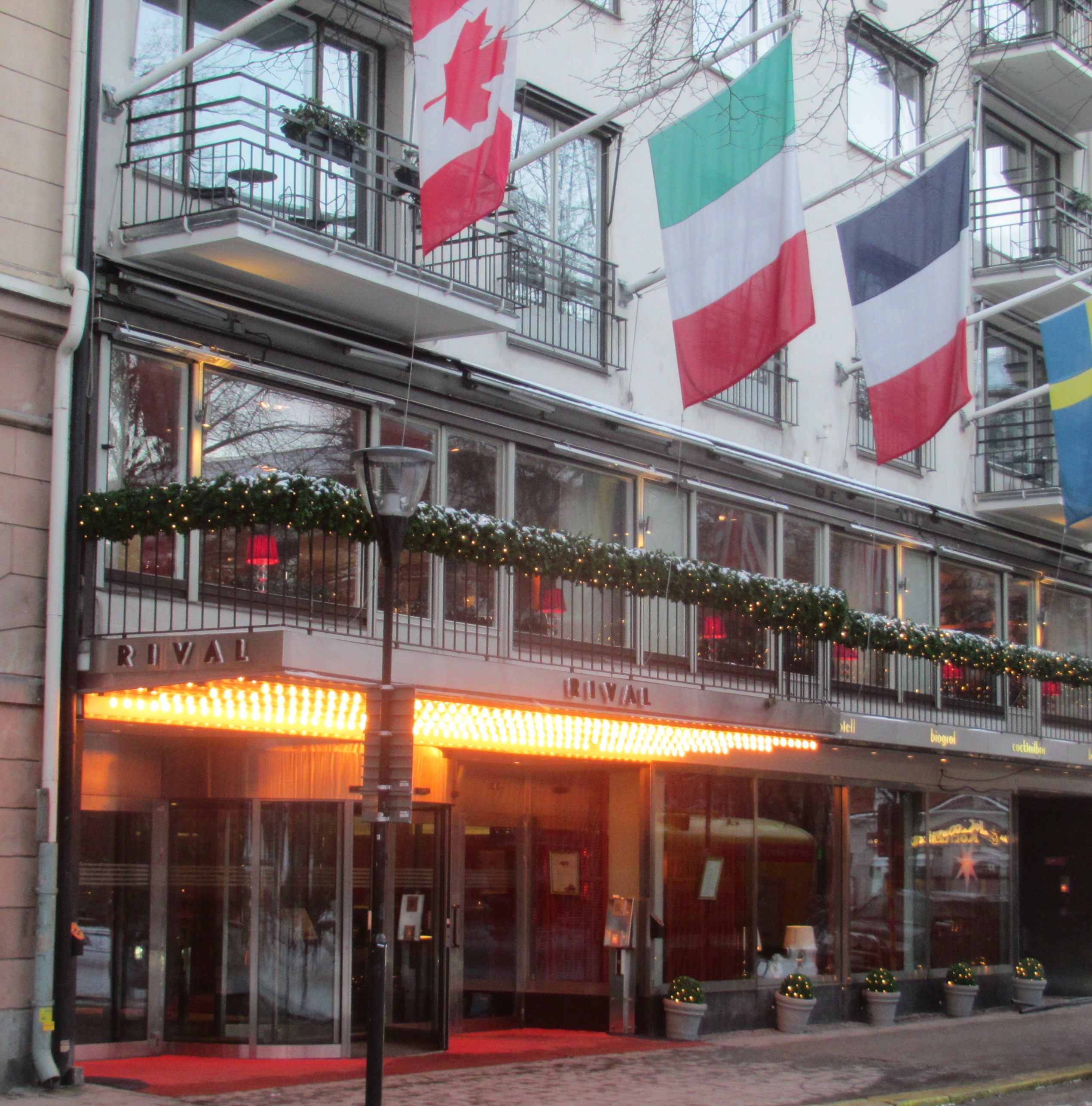
This trip we found another fun hotel, the converted cinema that is the Hotel Rival. We wouldn’t perhaps have got up to Söndermalm to stay but the hotel was getting rave reviews on Tripadvisor so it seemed too good to miss. Not only was it a good hotel but it introduced us to a new area of the city which we thoroughly enjoyed.

Hotel Rival Stockholm Interior

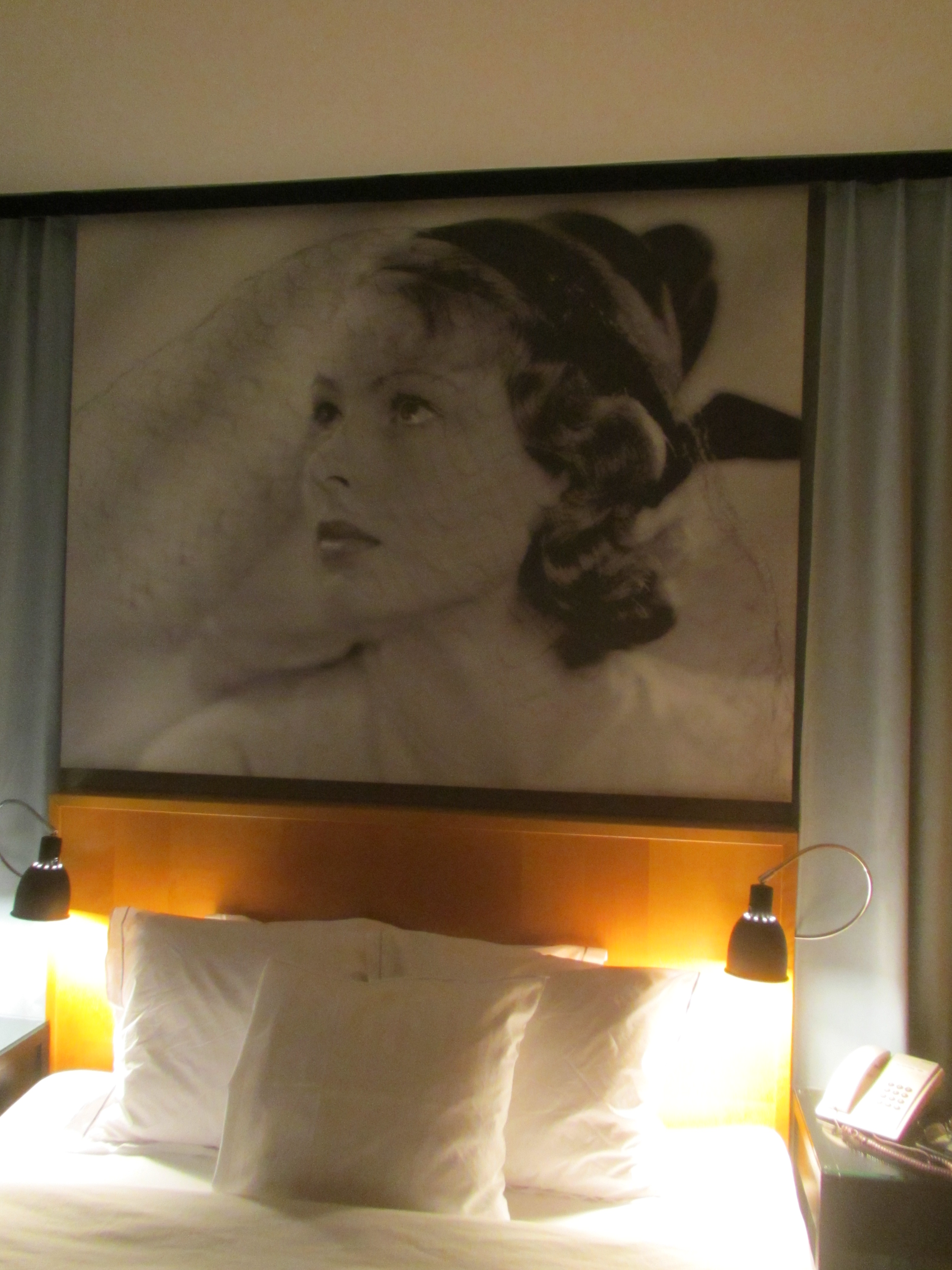
It is a 1930s Art Deco cinema bought and converted by former Abba member Benny Andersson. In the dark snowy night it is a glowing tribute to chrome, steel and plush red fittings. In each of the rooms there is a tribute to cinema glamour with Sweden’s own Ingrid Bergmann prominent.

Ingrid Bergmann print

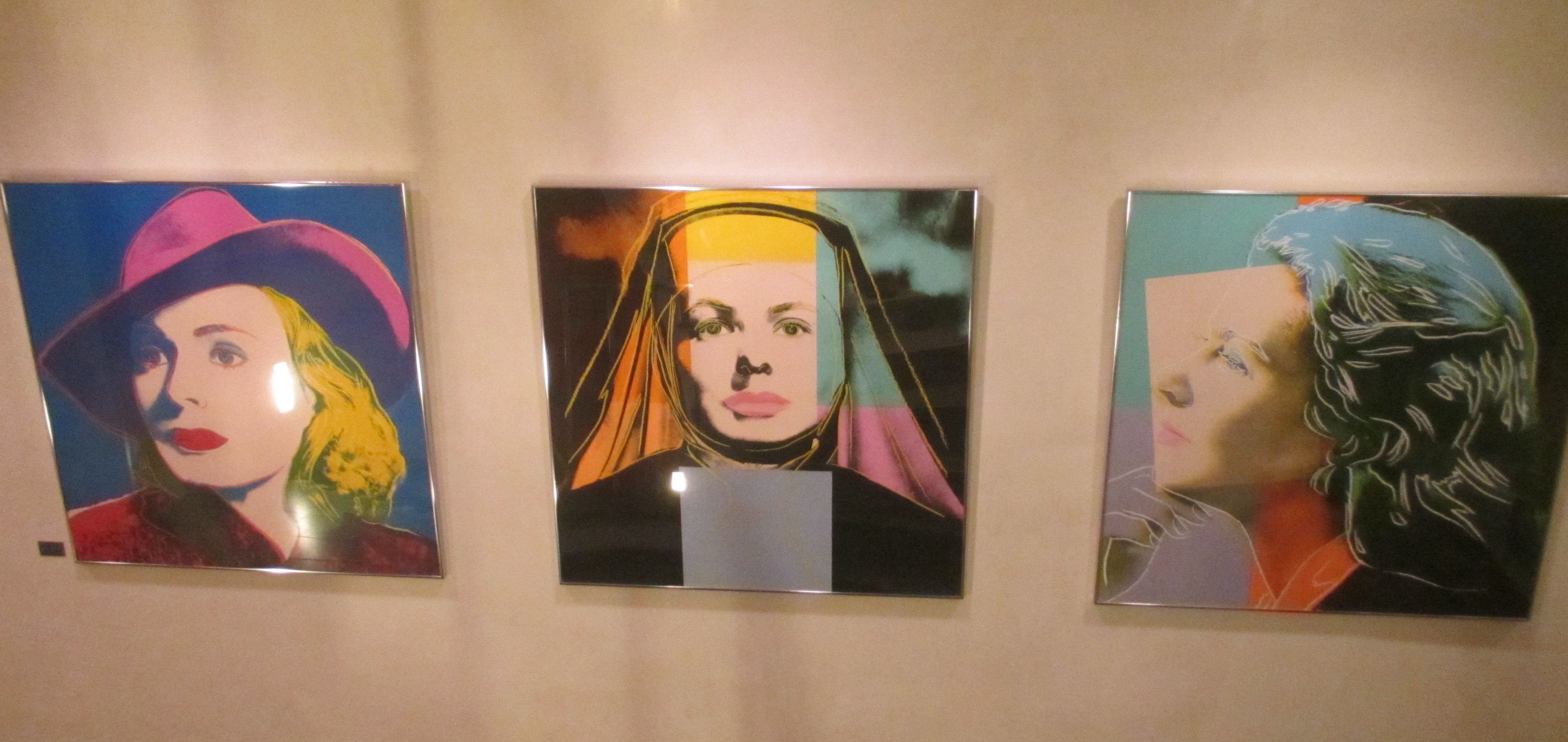
The quality is very high, to the extent that we discovered that the images just tucked away in a corridor by the lift were original Andy Warhol prints!

Hotel Rival Stockholm

In keeping with the cinema theme you can check in and have one of over 200 classic or modern films delivered to your room for your DVD player.

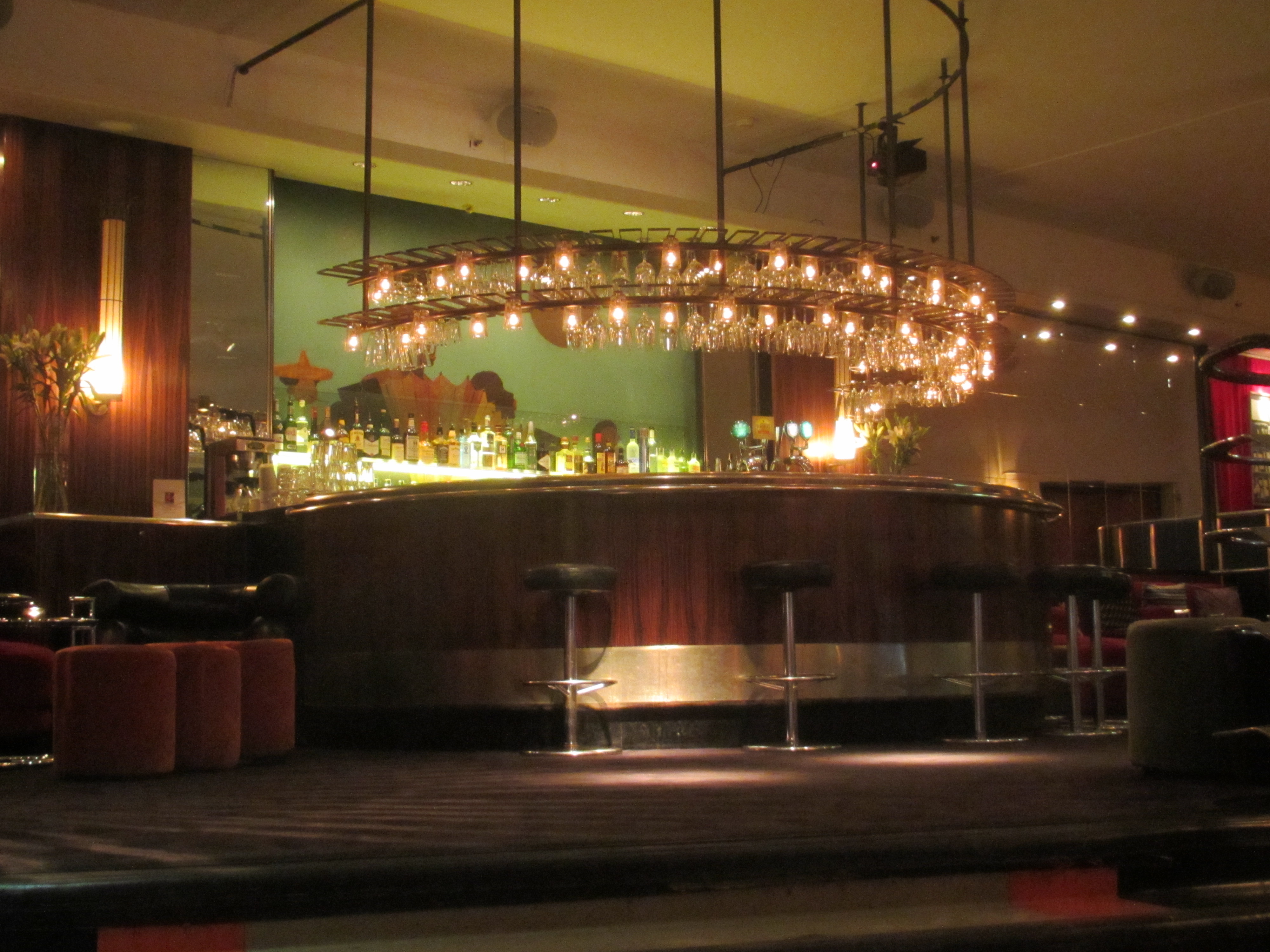
The cinema auditorium has been kept and is now available for hire, we never got in there but we could imagine it in its 1930’s glory as we supped a glass of champagne in the cocktail bar.

Cocktail bar Hotel Rival Stockholm

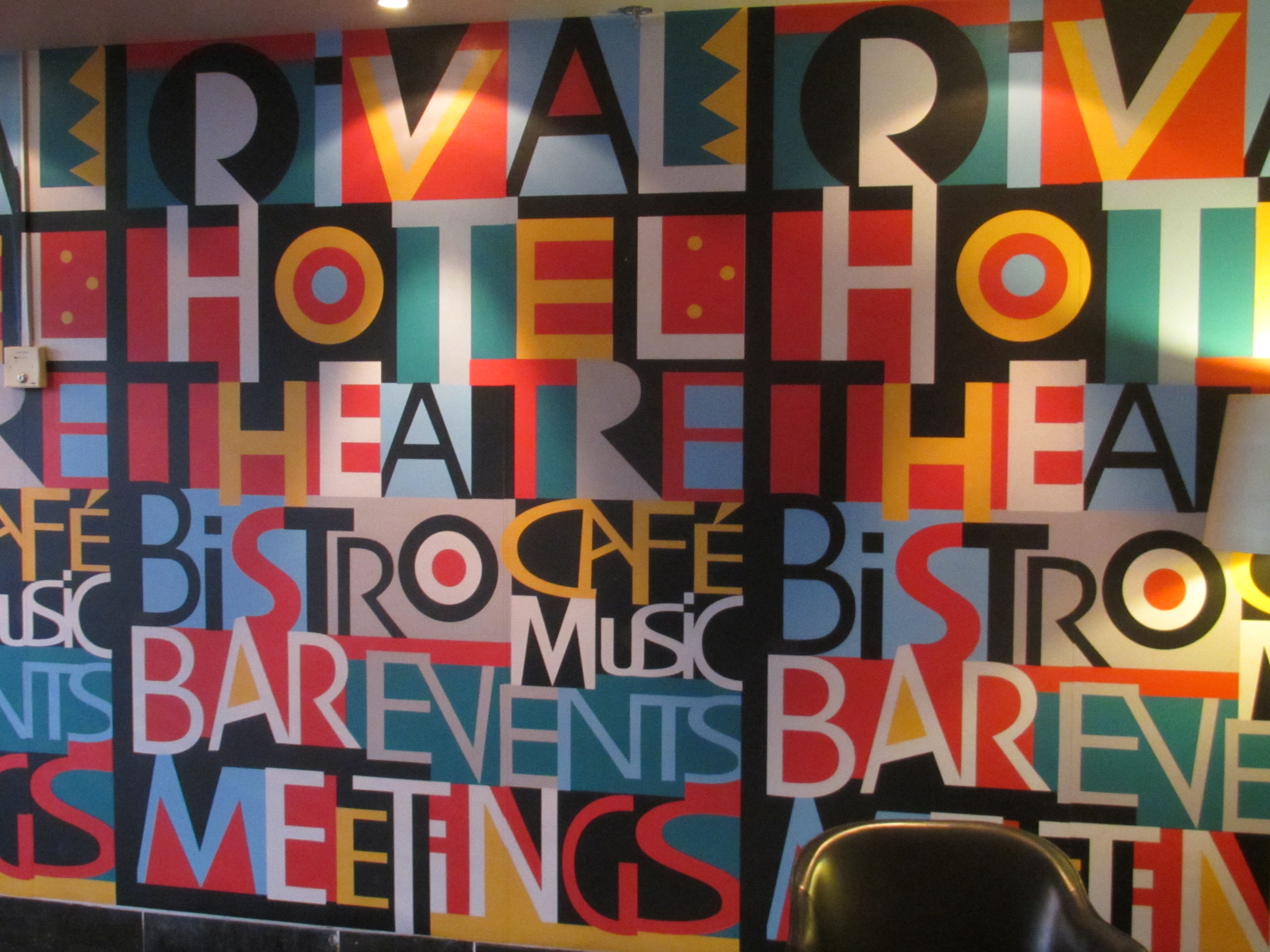
Hotal Rival Wall Frieze Stockholm

Hotel Rival Stockholm Frontage

A great find in a great spot, it deserves its fantastic reviews.

Hotel web site here.