Campagnolo – centre of world domination?

Campagnolo original delivery cartA couple of enquiries from followers about my trip to the Campagnolo factory last month which I never reported.

It was rather overtaken by the earthquake in Bologna, and also because it was actually somewhat underwhelming.

I don’t know what I expected exactly. In my mind’s eye the same engineers that built gears for Coppi, Bartali and Merckx are handcrafting bike parts like Swiss watches in a factory that has carries the heritage of Italy. I conceived that at least the boardroom would be a shrine to one of the greatest cycling brands. And I might have put a small dab of chewing gum on my shoe in case just a single ball bearing stuck as a souvenir.

The reality was very different, but  perhaps in its own way a reflection of 21st century cycle engineering. In a pelting rainstorm we drove out to an industrial area on the edge of Vicenza where an anonymous road was the site of a large unmarked grey factory. I had no idea we had arrived until we passed a relatively discrete sign and passing through security to a modern, minimalist reception area. At least in the reception area there was a picture of Tullio Campagnolo and a group set, but up in the board room ……. Nothing. Niente, Nichts, Rien.

Except outside the door one of the original carts that the family used to deliver parts to local shops in the 1930s. My one souvenir photo of a visit to a legend.

There were some very substantial cabinets closed behind wood panels which could easily have hidden some glories, but overall the impression was discrete, sleek, wood, leather and stone. Actually the boardroom of a company that prides itself on being modern, discrete and efficient. Heritage, what heritage?

And as we drove away I remembered where I had seen that image before. SPECTRE. The boardrooms in which Ernst Stavro Blofeld plotted to rule the world, only to be foiled time and again by James Bond. Perhaps our gears are programmed to rise up against us one day. And now they are electronic. Isn’t that how it starts. Tullio Campagnolo – Blofeld – who knew?

Amsterdam reflections

I have now had 24 hours to reflect on yesterday’s trip to Amsterdam.

In particular I have been trying to think about the elements I noticed that made it stand out so much. I cannot help but make comparisons with Copenhagen too, a city where I have spent more time and perhaps been given more formal introductions to Danish cycling culture. It isn’t enough to say “there were just so many”, it is more.

I cannot compete with the Dutch Cycling Embassy for technical knowledge, Fietsersbond for advocacy or Amsterdamize for cool, but for what it’s worth here are five first reactions to Amsterdam cycling that support my own thesis “When I see Amsterdam cyclists I do not despair for the future of the human race”.

1. Bikes belong

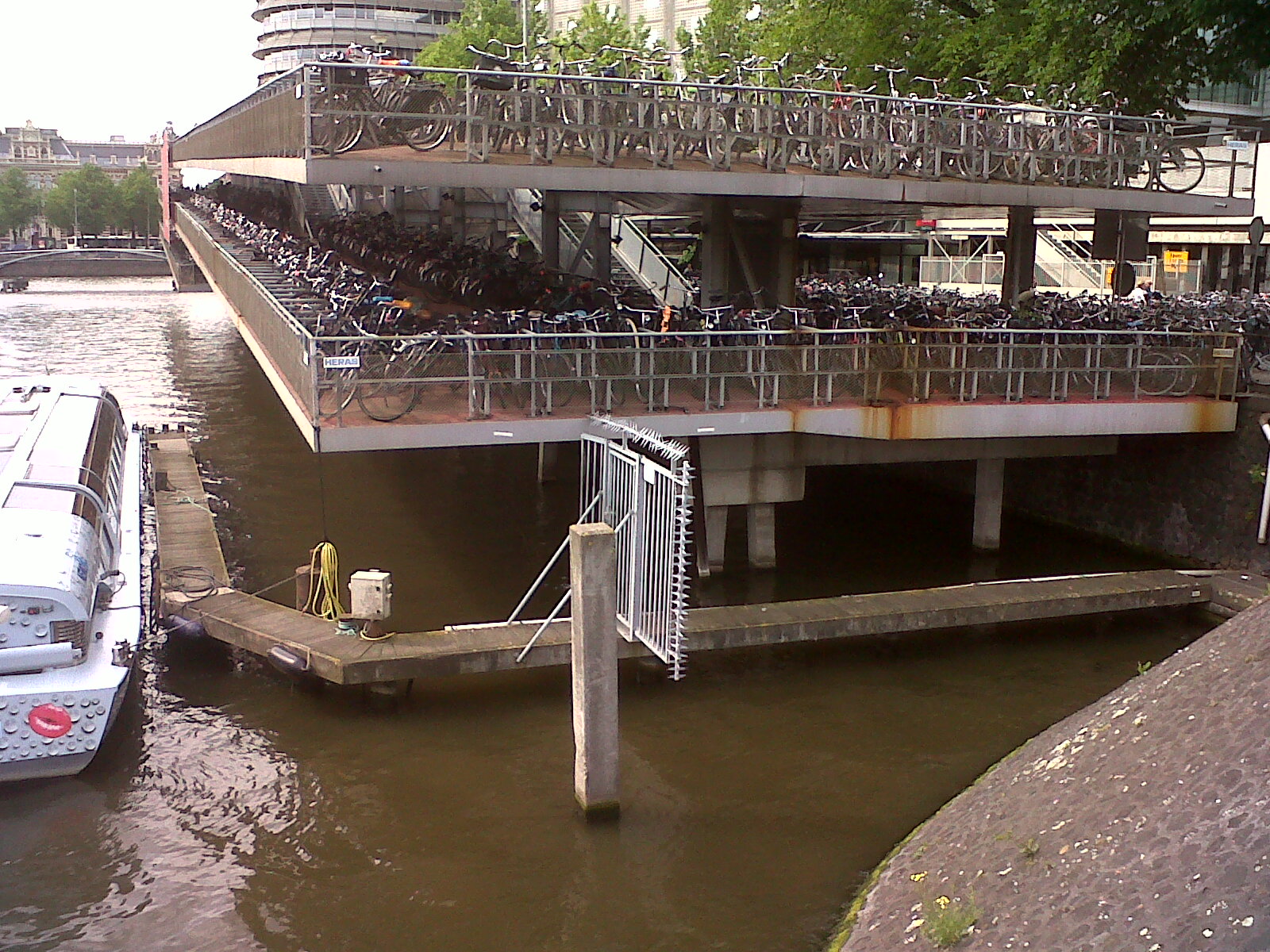
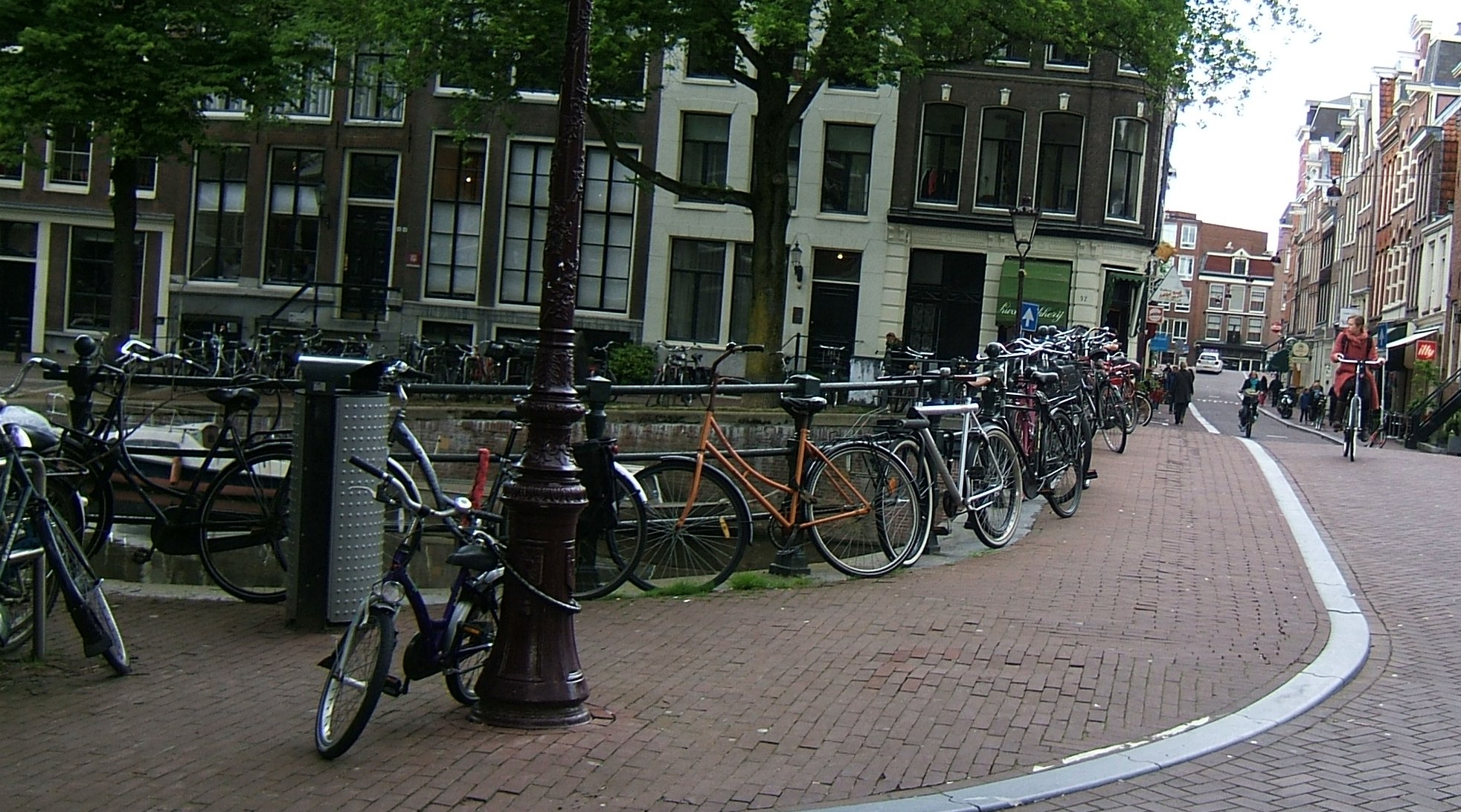
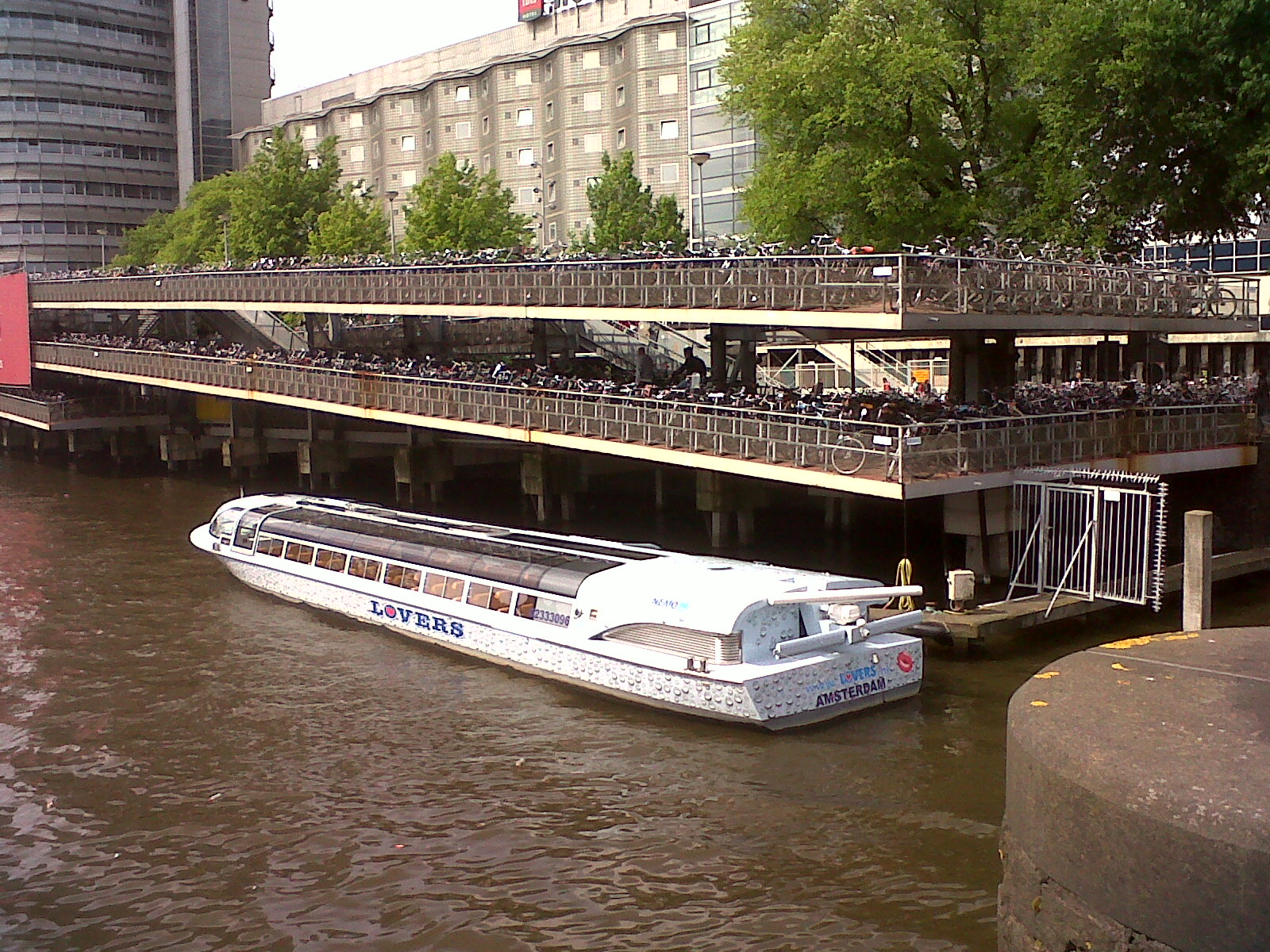
It starts immediately at the station with the brilliant multi-deck parking which has been a feature of many city cycling presentations but you really do have to see it to believe it. Amsterdam Central Station Cycle Parking DecksBut to my eyes it is the bikes in the streets that blow me away, just extraordinary volumes. There is just not a section of street in Amsterdam that doesn’t have its collection of bikes. In many cities there would be refuse trucks cruising the streets taking them away, but not here. They are not an addition to the fabric of the city, they are part of it. But now I do know why the Dutch are fixated by cycle parking.

Amsterdam Cycle Parking

Amsterdam Cycle Parking Amsterdam Cycle Parking

2. Backgrounds.

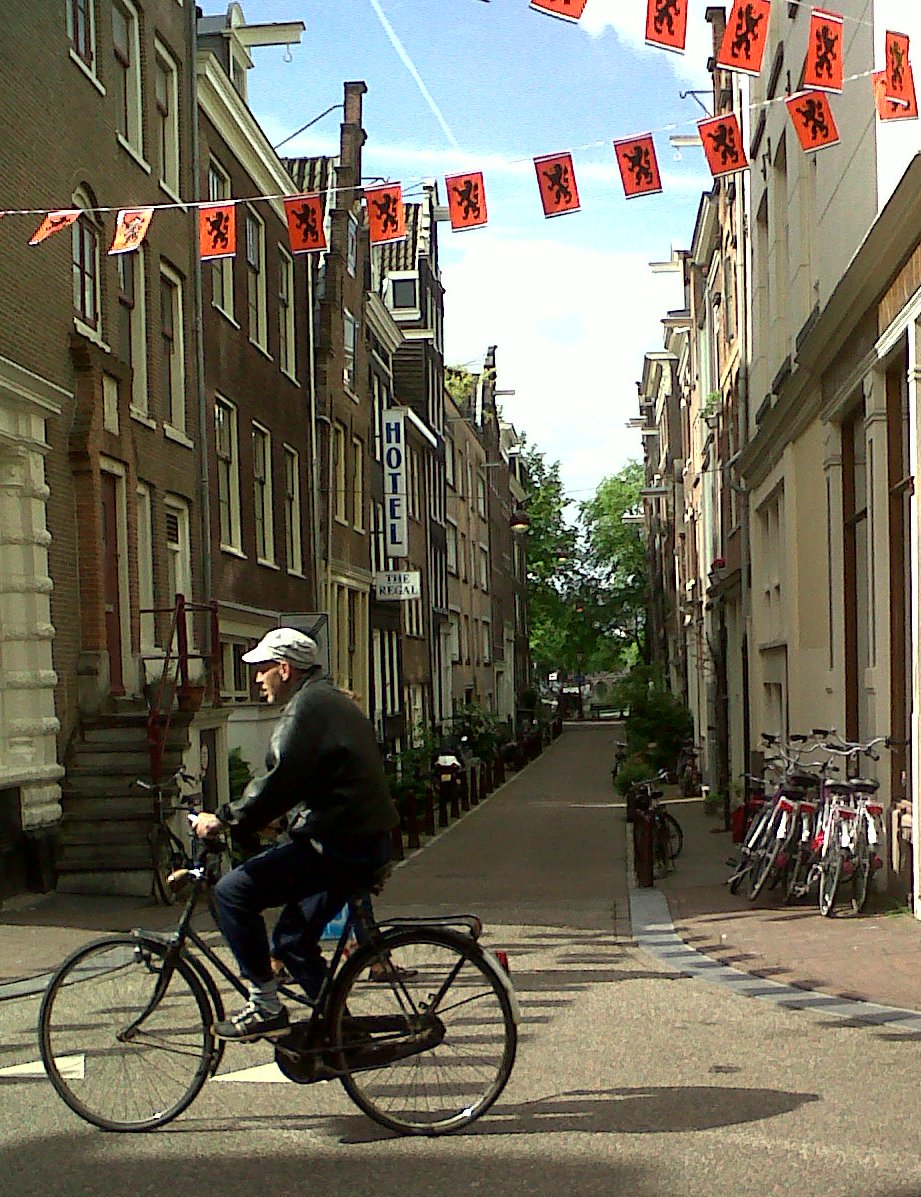
Bikes and canals. Just beautiful settings for cycling, enhanced by the rattle of bikes on the cobbles and not the engines of the cars. Cycling belongs here.Amsterdam and bikes

Amsterdam and bikes

Amsterdam and bikes

Amsterdam and bikes

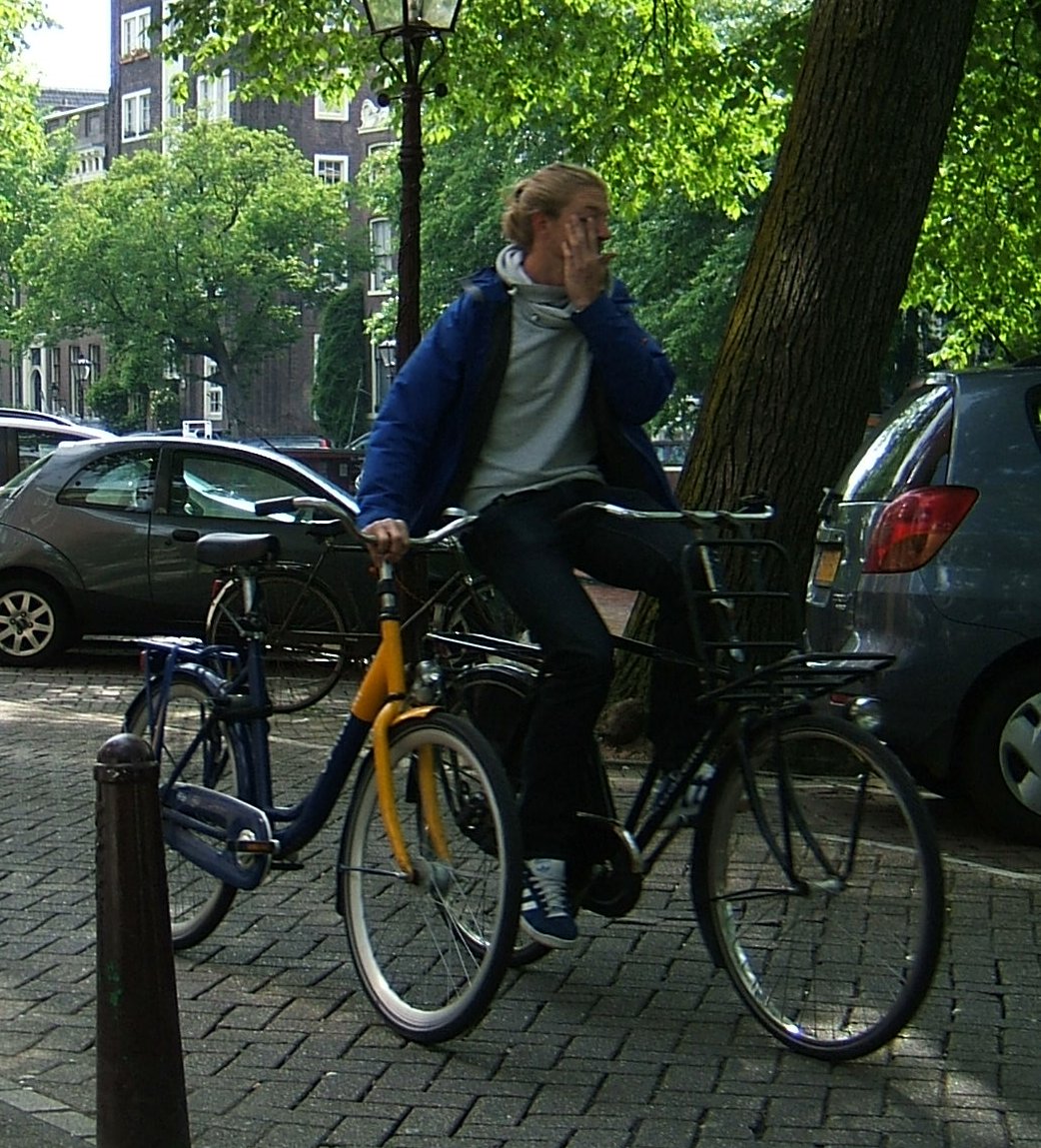
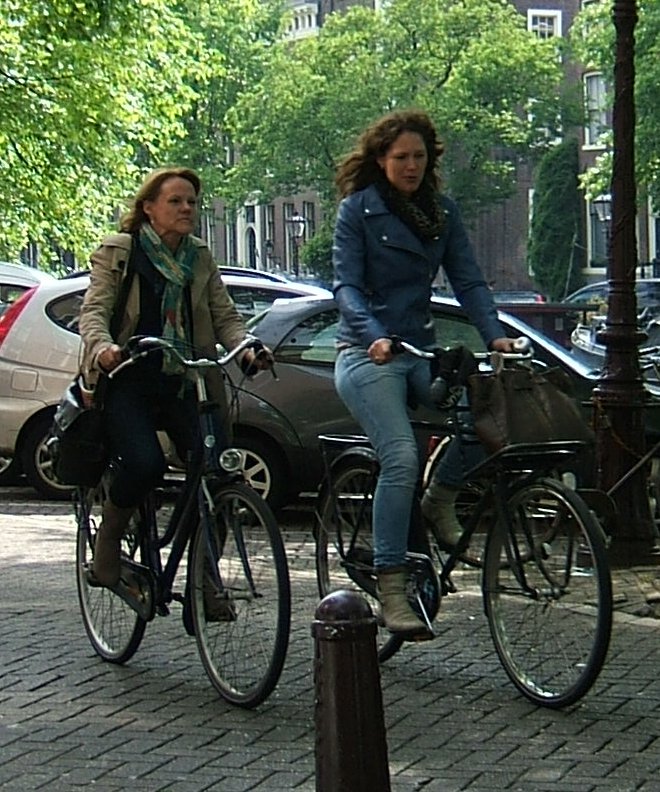
3. AttitudeAmsterdam CyclistAmsterdam Cyclist

Even in the most successful cycling cities I think cycling carries a certain tension. Cyclists in Copenhagen always seem to be in a hurry to me and the cycle lanes feel like race tracks at times.

I am sure this is true in the Amsterdam rush hour. But generally cyclists here are so totally relaxed they routinely switch off all the defensive worries, even on the roads. Texting, phoning, headphones, one hand, luggage swinging, riding in pairs, chatting, passengers on racks. Everything your mother told you not to do.

It is another world where cyclists really don’t have to worry about the environment around them. (And almost helmet free!!!!!!)

Amsterdam CyclistAmsterdam CyclistAmsterdam Cyclist

4. Practicality

I know carrying loads on bikes is easier than most people think. I know there are loads of brands of cargo bikes and luggage carriers. But I would have to bore you with dozens of photos to show all the ways I saw things being carried, and how. The plastic crate seems almost ubiquitous as a carrying tool so that a wooden box stood out. And day clothes.Amsterdam Cyclist

Amsterdam CyclistAmsterdam CyclistAmsterdam Bike

5. Diversity

As you can see from the photos above even a randon selection shows a higher proportion of the riders were women than men. And if the Dutch have got a general problem encouraging their new immigrant communities to ride I didn’t see it here, they must have done a great job with their promotional campaigns, or the message is really spreading. A Muslim woman in a headscarf with her bike is still pretty much a rarity in most cultures, but I saw several here.

That is really encouraging, it shows that this is not DNA, it is cultural and can be learned.

Is there anything new to say about Amsterdam cycling?

Heineken box on Amsterdam bike

27th June inserted comment: Thanks to a number of twitter followers and bloggers who have linked to this page since it was published. Please note that this was a short introductory post – my main post on Amsterdam is tagged “Amsterdam” and was posted on 6th June. I’d welcome your comments!

I have just got back from Amsterdam and I am struggling with dozens of photos and lots of words.

A small confession is in order. During the last 15 years working in cycling I have actually not been to the city that claims to lead the world in cycling numbers. Four times to Copenhagen which challenges for that lead, the up and coming German cities, London, York and lots of other cycling towns and cities.

I thought I would be hard to impress, but as a cyclist how could I not be blown away? I have put up a couple of photos tonight and I’ll add a bit of a gallery tomorrow. And as I do I’ll struggle to add anything to the insights of many other bloggers and advocates, but for now:

“When I see cyclists in Amsterdam I do not despair for the future of the human race” – Kevin MayneAmsterdam Cycle Parking

Porticoes of Bologna – symbol of a city

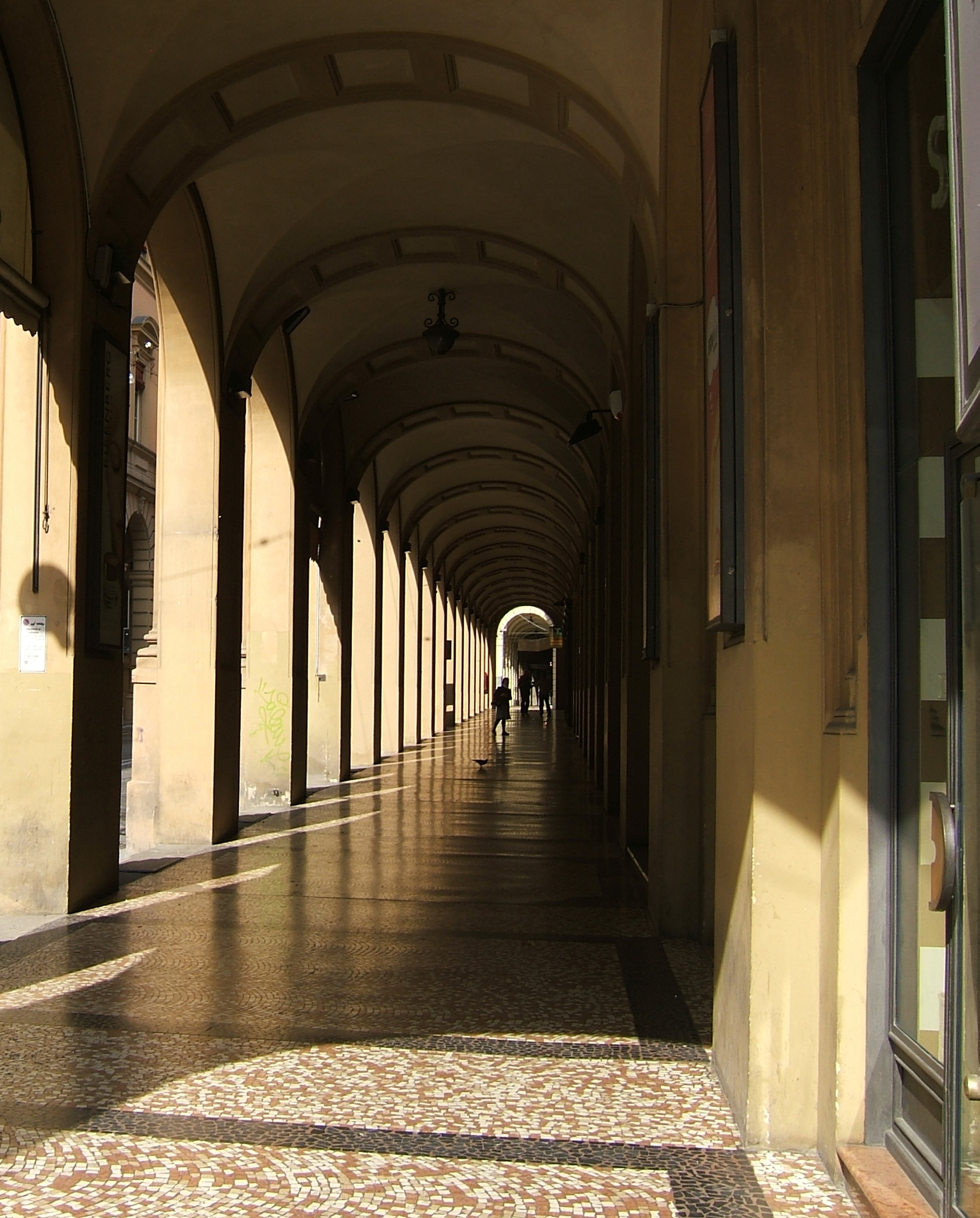
Bologna portico

The city of Bologna has over 30km (20miles) of porticoes, the covered walkways in front of its shops and city buildings, perhaps the most distinctive feature of this former walled city which grew rich on trade routes of northern Italy. I had always heard of Bologna as an industrial town, giving it a somewhat dreary image that meant I had missed it for Rome, Venice and Florence.

But of course I have been distracted by guide book tourism. Outside its old centre Bologna is part of Italy’s industrial north and the roadsides have many factories and warehouses. But in a country like Italy, bursting with gems of antiquity and culture, it is easy to overlook places that in any other country would be star attractions. It was only after visiting the centre this weekend that I found so much more.  As a morning person I loved the tranquillity and the hazy sunshine as the city came to life. Bologna Portico

At the weekend Bologna’s mediaeval streets are closed to traffic and after slow relaxed early morning the city gradually starts to bustle and then bursts out into lively evenings as the student population of the oldest university in the world hits the streets. The porticoes themselves create an interplay of light and shade which lends itself to photography and the weekend scene is wonderfully undisturbed by engines.

My host was proud Bolognese Moreno who was determined not only to give me the tour but to represent the sights as a symbol of the city’s population – hard working and business-like, none of your fancy types of Florence or Milan here.

Bologna porticoes

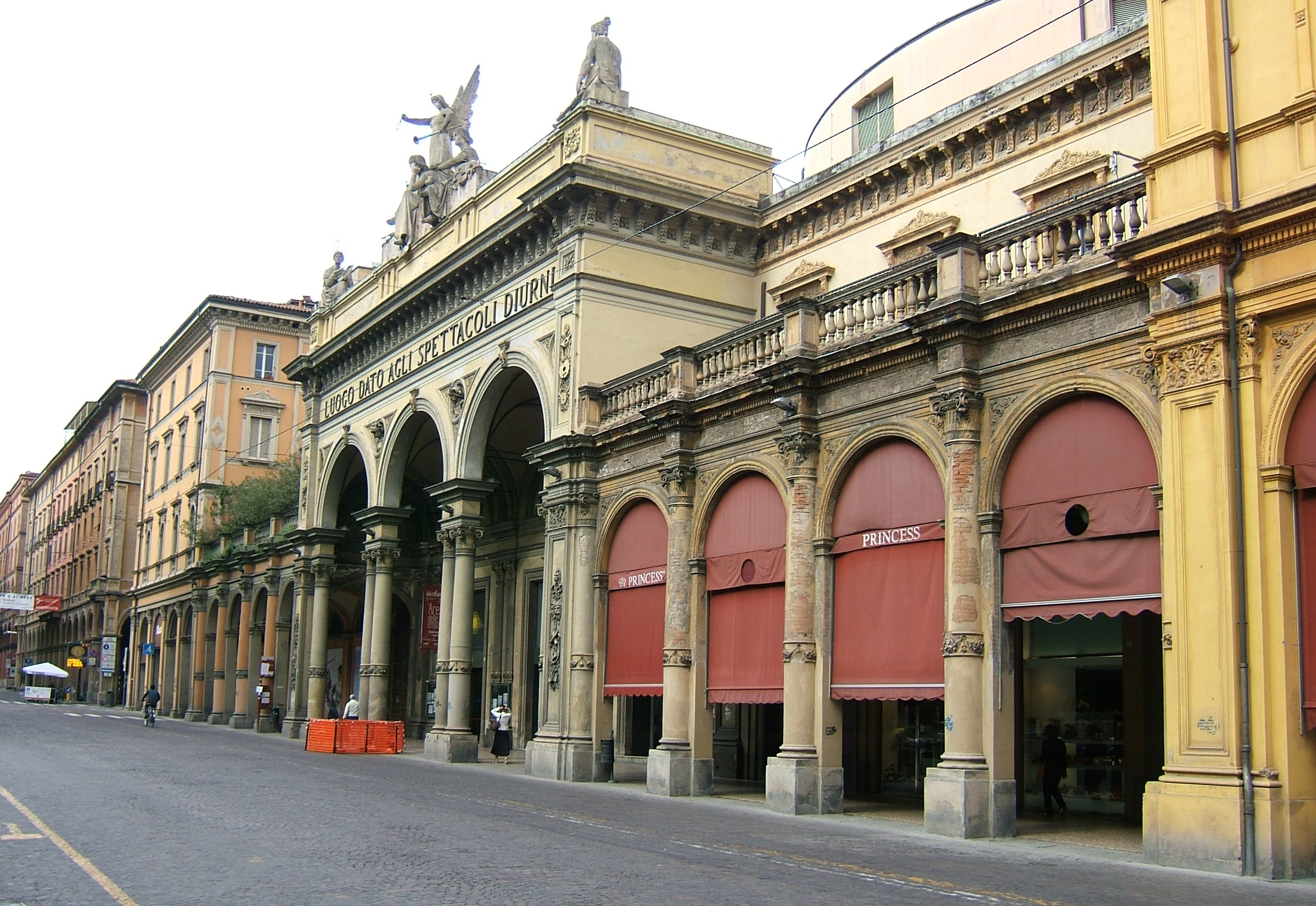
He identified the porticoes as the symbol of this industrial culture. Today they are shopping heaven. Each portico has its own character, differing slightly in the height of the arches, the spacing of the columns of the colour of the plaster. But they provide the model for the shopping mall of the 20th Century – cool in the heat, dry in the rain or snow, cover for eating and drinking. Bologna Cafe and porticoes

Their origins actually are in sales, but the portico itself was the sales space, craftsmen acquiring a bit of the street to lay out their wares while the building behind was the workshop and store for each craft. Fed by the trade routes between the many cities there was an abundant supply of material which the craftsmen converted for sale. Each street has its own trade, from fishmongers to jewellers, bakers and woodworkers.

Bologna Sala Borsa - original stock exchange

Bologna Sala Borsa – original stock exchange

This trading pattern also brought us other features of modern commercial life. Bologna has one of the first stock exchanges in the world, financing the business ventures of the larger families and merchants, not to mention the towers they built to show off their power and status. And I learned the origin of two of the most feared phrases of commercial life – “bankrupt” or “broke”. When you defaulted on your debts in mediaeval Italy the bankers would come to the display in front of your workshop and break your shelves to stop you trading. The bank “ruptures” your shelves and you were indeed “broke”.

Bologna - Older portico in wood over traditional shop

Older portico in wood

The very oldest porticoes surviving today didn’t have the more modern columns, they have just timbers or arches supporting the lodgings above the store. You can see examples down some of the narrower side streets and over the older shops. But gradually the city insisted that property owners build and maintain the columned walkways which feature today. However to underline the workmanlike image which Bologna cultivates the columns here were built of brick, not the marble that adorns Rome and Florence.

Heavily damaged in the Second World War many have been restored.The more pretentious arcades are clearly prized by the most aspirational brands, but of course there are just a few that really feel like they shouldn’t be here.Bologna Disney PorticoGucci Bologna shopfront

OK call me a culture snob if you must, but it just isn’t right – is it?

After trade the other cultural icon of the Bolognese is food. The city has apparently been called la Grassa or “Fat one” and all food lovers know Bolognese sauce. But other pasta such as filled tortellini have equal billing here. Without understanding a word of the Italian it was enough to listen to Moreno and our waiter argue about whether it was ever acceptable to serve tortellini with sauce to know that this really matters in Bologna. Moreno lost the argument too, a rare occurrence.  The restaurant would clearly rather we left than defile the tortellini with sauce, but the broth in which they came was exquisite, a delicate clear consommé.

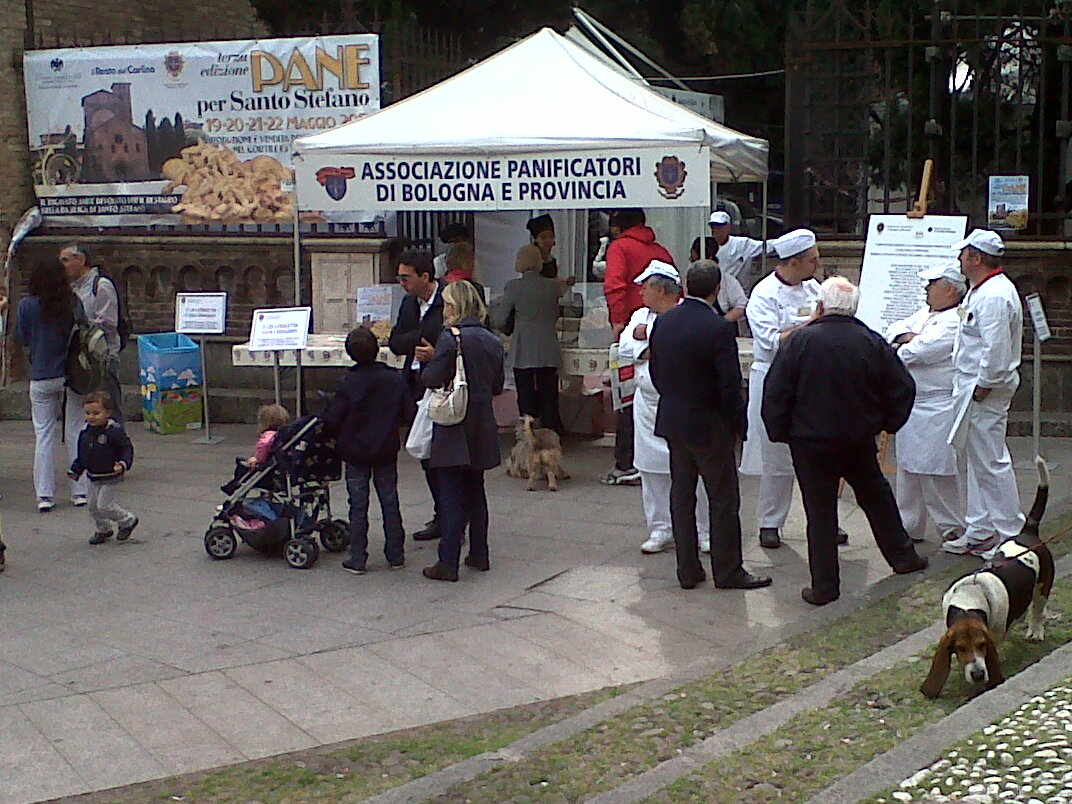
Bologna bakersBologna "Cross" LoafThese bakers making the craft breads in front of the old church on Sunday morning were representing the artisan bakers of the whole district with a constant bustle of locals buying by the bagful to go with Sunday lunch.

I could get very, very attached to a historic and attractive city that has thousands of bicycles, clears its streets for its people and places such value on community, work, food and education.  Bologna has clearly been hard-done-by in the competition for guide book reviews, it provided a thoroughly enjoyable weekend.

Where else could I be?

Milan Cafe May 2012

9.am.

The cool people are gathered for an expresso. From old to young kisses and handshakes are exchanged. Anywhere else in the world this would be just a local, but here it has that extra touch of elegance, even down to the tablecloths.

And the expresso is outstanding.

Welcome to Milan.


Yippee – I’m off to Campagnolo

Bit quiet on the blog for the last week or so, lots brewing in the background.

And today it is is confirmed. On Monday I will be presenting in the Campagnolo presentation suite in Vicenza. The home of the finest brand of cycling componentry in history. The legend – uncountable numbers of Tour de France wins, Giro wins – just everything. Ridden by just about every cycling hero one can name.

Presenting or begging – not really sure, but I will be talking to Italian cycle industry head honchos about the need to spend money on cycling advocacy.

But inside stand by for slathering, drooling hero worship, bended knees at the alter of alloy. Got to keep it together Mayne.

OK so I will be meeting other bike companies and more from the trip to Italy will be posted, but for you bike fiends you know this is the one.


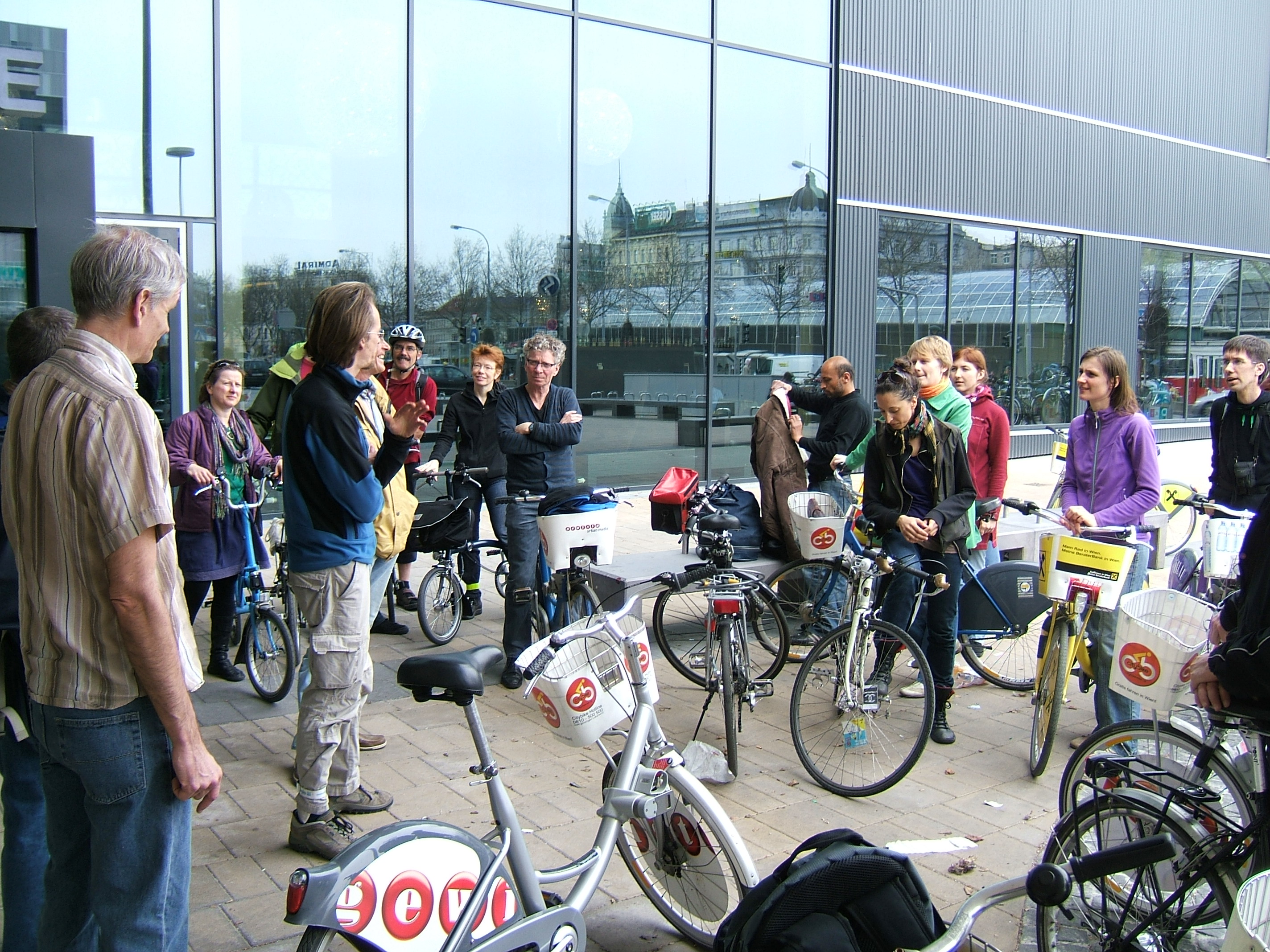
Hands up everyone who thinks Vienna’s public rental bikes are rubbish?

So who thinks the city bikes are rubbish?

Is it still acceptable for a major city to have a public bike sharing scheme with rubbish bikes?

Do not despair’s message is that there is nothing that cannot be made better by a bike ride and that any bike is better than no bike. But come on folks, you want to be a world leading cycling city with these?Vienna City Bikes

To be fair the current pro-cycling administration in Vienna inherited the current fleet. But if they really want to make a good impression at the Velo-City conference in 2013 then this should be an easy victory.

The booking and hiring system works well enough, all hired by credit card. But the bikes them selves are really poor. In particular 80% of the fleet has no gears and is set to a stupidly high single gear ratio which leaves even a stronger rider labouring and novices wobbling away from stops. Hardly something to make the casual rider think cycling is easy and comfortable.

Add solid tyres, tired and rattling equipment and regular breakdowns – could do better.

I’m quite looking forward to one of London’s fat monsters, they may be heavy and slow but they are comfortable and reliable.

Houses, gardens and architecture of the Danube valley – Lower Austria

Gallery

This gallery contains 12 photos.

Spring sunshine, sharp sunlight. The colours of the buildings, houses and gardens are brought into sharp focus while cycling along the Danube Cycleway and the Franz Schubert Cycleway between Vienna and Krems. I especially like the old wine houses and … Continue reading

Vienna – centre of cycling cultures

An important focus for our hosts in Vienna was cycling cultures. This meant several things:

  • The heritage of Vienna as a cultural capital
  • A growing bike culture and counter culture in the city
  • A relatively newly elected city administration that is determined to build a cycling culture by all means possible
  • A parallel workshop at the ECF AGM for young volunteers from new cycling organisations – the VOCA programme

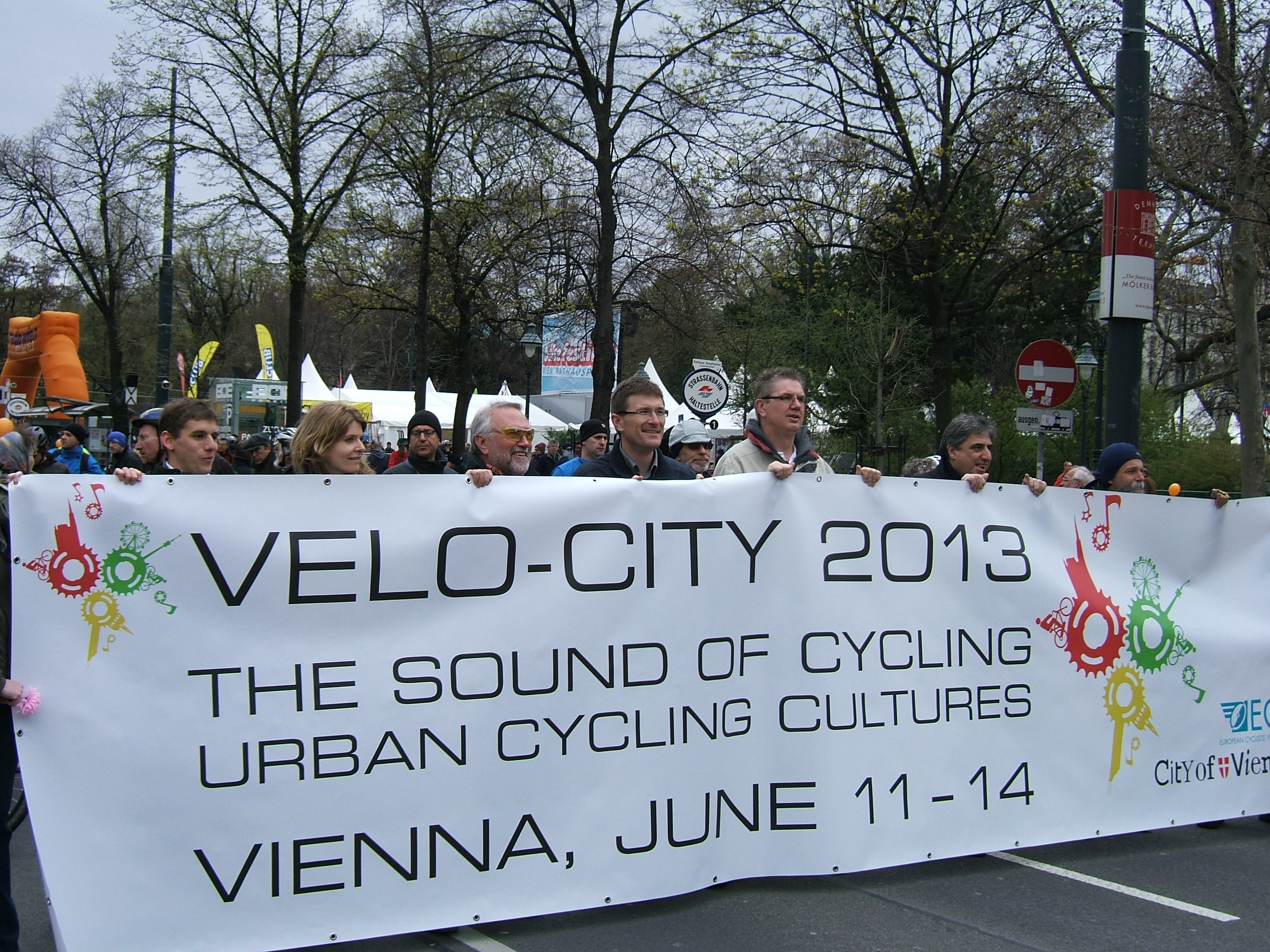
This element is so strong they decided to make it the theme of next year’s Velo-City conference and announced it while we were there.Velo-City 2013 theme

As a self confessed old git cyclist I have to say the best of this was being exposed to the new advocates group on the VOCA programme and counter cultures tour led by Alec Hager of campaigning group Radlobby IG Fahrrad and Gudrun of the Bike Kitchen.

Ending up in the Bike Kitchen late afternoon enjoying some food and a beer and hearing the enthusiasm of everyone involved was just refreshing. I felt a bit sorry for friend Doretta who thought she had signed up for a culture tour and ended up with a tour of workshops and bike shops, but I was really at home. And a big shout out for their inclusive, supportive, collective values – not much of that survives in a material society.

I wonder whether there is a point when the counter culture becomes the new orthodoxy because none of the elements on the tour were at all unique to Vienna, but I guess you can’t really describe a city as having a vibrant cycling culture without them so Vienna is making important strides.

My thanks to all the places that hosted our visits, here are a few photos of variable quality – and special thanks to Bikelager for outstanding coffee served amongst a gallery of classic bikes laid out like an art show. And of course the scene stealers were the fabulously painted Colnagos on the scalloped frames. At the time we just knew they would become classics.

Bikelager Wien

Bikelager Wien - coolest bike shop in town

Vienna Fixie - great paint job

Vienna Fixie - great paint job

Cargo fixie at Fix Dich

Cargo fixie at Fix Dich

Heavy Lifting Cargo Bikes

Heavy Lifting Cargo Bikes

Vienna bike workshop - build your own

Vienna bike workshop - build your own

Colnago frame feature

Colnago frames feature

Rant time – Austrian drivers

My big wake up call. I have never seen cars and buses routinely used for deliberate intimidation on the scale of my last four days in Austria.

I have cycled all over the world. Most of the time driver behaviour doesn’t worry me too much. I get annoyed by rank stupidity, unnecessary speed, impatience and incompetence, but so do drivers and walkers. Abuse comes, but the threat is minimal and not physical.

Four days ago in Vienna was the first time I saw a car driver partially overtake a group and then steer into the side of the group to force us out of the lane. I thought it was a mixture of incompetence and impatience, someone unable to realise that the group was 50 metres long.

But then several times more over the next three days, including hand gestures to make the intention quite clear. A city bus – like the hated bendy buses of London, but this driver deliberately trapped five riders against the kerb by pulling across us.

While most drivers waited politely to let our groups turn to the left across the traffic flow together yesterday there was a guy who sped towards the group to scatter it out of his way.

I wish I had the presence of mind to take photos or get the bus number, at least in Vienna. I think there would have been some local government embarrassment about intimidation of a visiting cyclists’ group, but the drivers clearly had no such fears.

Maybe I’m naïve – riding companion Vladimir from Moscow said he was not at all surprised by the drivers, but he felt safer in Russia because most roads had shoulders which the cyclists use and he did feel uncomfortable in a group out on the carriageway on rural roads. But I guess I expected Austria to be more benign, at least like Germany.

Most Austrian cyclists I met were positive about the direction of cycling in the country, and especially the potential for tourism with the stunning scenery and iconic routes like the Danube cycle route. Clearly their drivers have a lot of catching up to do and it would be a shame if this put visitors off.

Rant over – later I’ll follow up with some more positive Austrian stories.

Not despairing in Vienna (1)

Great to be here in Vienna, lots of cycling highlights (and a few lowlights)

First post has to be about our cycling melting pot. Over 80 people from nearly 30 countries thrown together for three days to talk cycling. If you could capture the energy you could power entire cities, it is just fantastic.

Vienna is the ideal location for this sort of cultural melting pot because it is so accessible to the countries of the east and south of Europe and Eurasia. We have had Dutch and Danish stories for 30 years, they are so far ahead in cycling its hard to catch up. But here we have a whole new community who are starting from a similar position as everybody else, cycling got lost along the way. But they are starting from a totally different political perspective, and one where there is often less heritage of civil society campaigning, especially on cycling. Yesterday ECF was joined by new members from Greece,Turkey,Byelorussia and Georgia, joining relatively new members like the Ukrainians and Bulgarians.

Vienna Tour by Bike

Vienna Tour by Bike - 8 country peleton

OK lots of frustrations, lots of discussion about overcoming cities and governments that just don’t have a clue. If I had a pound or euro or dollar for everyone who says “they are just not interested in cycling” I wouldn’t have a job raising funds for cycling.

But the chance to share those frustrations is so valuable, and then to grab at new ideas and concepts and friends who offer ideas about how to go forward.

A group from Minsk (Byelorussia) who tell us that you can be a cycling activist in Europe’s last dictatorship, but you can’t be a dissident. Get them talking to the Germany HPV club about infrastructure, and throw in some Danes to bring Nordic cool.

ECF gathers for a ride in Vienna

The meeting point - Vienna tour for delegates from Byelorussa, Germany, Switzerland, Ukraine, Spain, Ireland, Holland

Roll around the historical palace area of central Vienna in a bike convoy with the Irish and French and an Austrian guy based in southern Turkey who are all working to convince governments to take cycling seriously, but in different ways.

Dinner table – US, Luxembourg, Norway, Denmark, Greece, Italy, Croatia, The Netherlands and UK. Common language – cycling. But from cycling talk flows around stupid politicians, history of European empires, infrastructure, bike sharing schemes, green politics, tourism, crap facilities, best bikes, land ownership and collective farming, and concludes close to midnight with a discourse about swimming in sub-zero seas. You couldn’t write a script that says cycling will take you to all these places.

Coming soon – Not despairing in Austria

Next week – bound for Austria

Highlights

Advocates and enthusiasts from all over Europe at the ECF AGM.

A tour to the hot spots of bike culture in Vienna, „Fix Dich“ bicycle boutique, “Radlager”, Critical Mass Meetpoint, BikeKitchen. “European Bike Counter Culture”  

ARGUS Bike Festival.

According to ECF “the annual ARGUS Bike Festival is the largest in Europe with over 100.000 visitors. For two days the square in front of Vienna’s city-hall turns into a paradise for every-day and leisure bicyclists.

The festival offers a broad spectrum from many aspects of bicycling: a bicycle fair with over 100 exhibitors, the dirt-contest where 50 world-class dirt-riders take part, test-courses for children and E-bikes, information about every-day and leisure bicycling and a lot more.”

For details see http://www.bikefestival.at/

The culmination of the festival is the Bicycle Parade. In its first year up to 8.000 cyclists rode around the „Ring“, the grand parade boulevard of Vienna where the Austrian Emperor used to show himself to the people.

Bike tour along the Danube for 2 days.

Watch this space.

Taipei Cycle Show (4) – Visiting

Cycling inTaipei

I was going to blog about cycling in Taipei but I was beaten to it by another attendee at the show. Journalist Carlton Reid covered the subject in BikeBiz and CycleHub. He highlighted that Lonely Planet thinks Taiwan is one of the top 10 countries to visit for 2012, not least because “Because Taiwan is best seen on two wheels and in recent years the authorities have embraced the biking market with surprising enthusiasm, vision and (most importantly) funding. This year sees the linking of thousands of kilometres of paths, including two round-the-island routes, and a host of other cycling friendly infrastructure projects.”  Read more

The most depressing outcome of my visit to the Taipei Cycle Show was that despite acres of bike bling laid out in front of me I failed miserably to get anywhere near riding a bike so none of my impressions actually come from the saddle. However I would find hard to believe thatTaipei is a cycle touring paradise from my snapshot. However “the beautiful island” will undoubtedly be a much better cycling venue outside the city.

I missed out because there are bikes for hire but the city bike scheme was like the old Brussels hire scheme, restricted to the central business district and useless outside. It is apparently going to be expanded to 5,000 bikes soon which will see it leap up to the scale of London’s scheme.
Taipei Bike Share scheme

Taipei Bike Share scheme

The other main bike hire points are containers alongside the riverside paths which open at weekends and insist that you leave ID such as a passport, not something you can realistically part with for a week long hire.

However unlike many of the international visitors to the show at least I made sure that most of my travel was public transport and walking so I could see what was going on at street level.
Cargo bike Taipei

As a cyclist the biggest worry I would have is the complete sense of being alone, like being back in much of Europe in the 1970s when I was truly the lone weirdo. It is so easy to forget that even when we moan about conditions in so many European countries we still have the benefit of not being alone.

On the cycle paths and routes around my hotel in the north of the city the only cyclists I saw in any numbers were the lycra warriors training up the Jiannan hill in the evening. 

In the centre of the city the very few cyclists were on the roads, but in ones and twos, swamped by the volume of charging traffic. The great deterrent
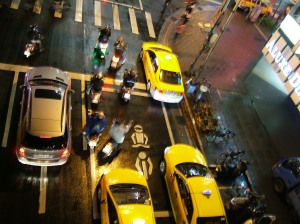
Scooter box at junction, Taipei

Scooter box at junction, Taipei

in my eyes wouldn’t be the cars, it was the scooters which were so dominant they even get the advanced stop lines (cycle boxes) instead of bikes. 

I reckon the car drivers were actually quite cautious, probably because they were used to dealing with the scooters. I have always believed that this is the basis of sharing road space, worried drivers. The saying that the best road safety measure we could ever have is a big spike in the middle of the steering wheel stands true in my eyes, the scooters play that role inTaipei.

There is an excellent write up of the cycling scene in Taipei here which covers a lot of the points I learned about during my visit.

Instead of just a cycling blog pot I thought I would just wrap up some of my other impressions from the week.

The MRT

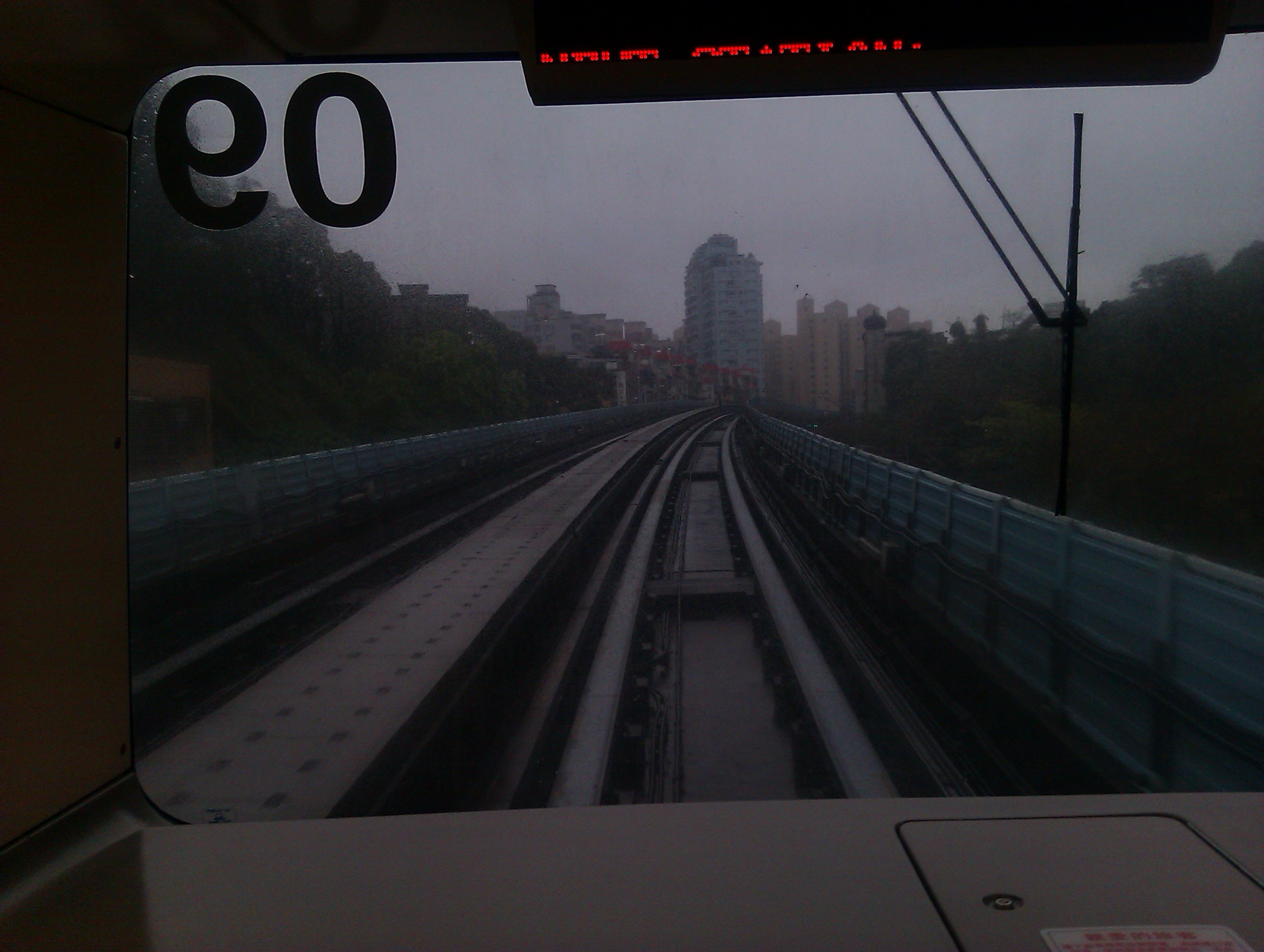
My favourite feature ofTaipei was the MRT (Mass Rapid Transit). I’m used to the dark, smelly, overcrowded underground trains of Europe. The MRT is mostly overground giving the tourist a bird’s eye view of the city going about its business below.

Trains every 2 minutes, immaculately clean and polite passengers who don’t feel the need to push and shove even in the rush hour. Cheap too – about 1 Euro per trip.

And for the train geeks – they are driverless. The front of the trains is just a big window and as a passenger you can sit in the front window. I’m not entirely sure I felt at home up front, the is something vaguely reassuring about a grizzled man in a uniform with his hand on the lever at the front. Perhaps it’s Casey Jones on the telly when I was a kid.
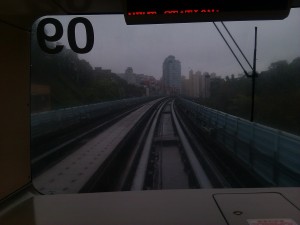
MRT Taipei

MRT Taipei

Food and drink

One of the features of Chinese food are its regional specialities. So I was really looking forward to finding the indigenous cuisine of the island. However I learned from Tourism and Leisure Professor Hsin-Wen Chang of Chung Hua University that since 1949, when the Kuomintang under Chiang Kai-shek were forced to leave mainland China by the Communists, they brought an army and refugees from all over the mainland with them. This means that the many regional varieties are available in restaurants and food courts and original styles were lost.

Best meal of the week was a stunning Cantonese style meal with Hsin Wen with tastes that I have never had in any Chinese restaurant, even familiar shapes like tofu had new garnishes and tastes.
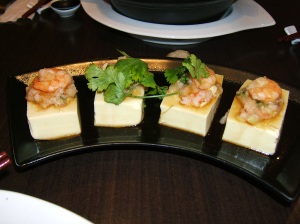
Food selection Taipei

Delicacies of Taipei

I was disappointed that a lot of places only appeared to offer western food, especially out near our hotel. But I realised that we were staying near the Miramar entertainment area for young Taiwanese and around a number of “wedding hotels”. Western food is an important aspiration, as is wine which started at €60 a bottle in one place we went.

But my delight was tea.

 It is served with every meal, you sit at the table and a cup of light refreshing tea (without milk) is immediately brought to the table. This is referred to as poor tea, the lowest grade for general drinking.

The good stuff is Oolong tea, the tea ofTaiwan. Once I started reading I discovered that we should treat the tea like wine. The finest teas come from specific plantations at the top of the mountains and they attract the prices of the finest of fine wines. Also wonderful was the preparation, I went to a tea shop to buy some tea to take home and I was asked if I wanted a taste. It was a treasure to watch the shop assistant warming and testing, pouring off the initial water on the leaves and then serving the second brew to us, a process far removed from chucking a tea bag in a mug. In fact waiting for the tea was as much part of the relaxation as the drink itself.

I’m grateful to this blog that I found on my mobile phone which was great guide to tea making and buying inTaiwan.

A Taiwanese tea pot and a large tin of tea were a brilliant gift to bring home. 

People

I really enjoyed the company of the Taiwanese people I met and I was trying to work out why.

It actually came down to one thing. Unfailing good humour and warm welcomes. Smiles, and politeness seemed universal and not just because I was a tourist. I also met so may people with a really great sense of humour, it seemed to be smiles all the way, always ready with a joke even if I was being a painful  and incompetent tourist or when English clearly didn’t come easily.

I had great fun in the food shops and restaurants whenever I asked for anything and out in public spaces like the streets and public transport everyone seemed much better humoured than we are inEurope.

But I can’t get used to a society where people feel they need to wear face masks in every public space, that really was alien. I assume it was against viruses rather than air pollution because many people wear the masks indoors as well as out. However it can’t take away from the general warm welcome.