Bike fan? Rubbish week? Need reminding that this isn’t all drugs & road danger? 3 reasons to be cheerful

You need to have your head in the sand to have missed the pretty awful week many bike fans have had. Even travelling in Ukraine the twitter feed and blog posts have been pretty down in the dumps.

But the whole purpose of my blog is to remind me on on the down days that this is the transport of delight, and to try and share.

So it is just as well that this week I have seen three videos that brought me out in the widest smile. Winter may be coming in the north, so if you need just a small pick up to get you out on your bike next week here are three positive films about the sporty side of cycling, each with a little reminder why“I do not despair”

The first time, (see also previous post) the company and the sheer exuberance of cycling.

For more fun videos please go to my video library page where these will end up long term.


If you ever forget why you ride a bike – watch this!

This video on Youtube may be mountain biking. But don’t turn it off if that isn’t your thing. Don’t look, just listen. Take in the voice of four year old Malcolm in the clip and remember that this is what we bring to lives.

When I do presentations on cycling one of the things I often tell my audience is to remember that they do something really special.

You never, ever forget your first bike ride. And for so many people that is the closest they will ever get to flying, a brief moment when they take wings. And once you discover the “transport of delight”, the “wings of desire” then a bicycle is a passport.

It’s why I have had a tear in my eye so many times when I have attended cycling programmes for people with disabilities and seen them light up when they discover freedom and movement. It’s why I never tire of saying that the magic is not 100miles, its 100 metres.

Today, somewhere someone is taking their first bike ride, riding up a hill they never thought possible, discovering a new and wonderful place.

Thank you Malcolm and Malcom’s dad for reminding us what that feels like.

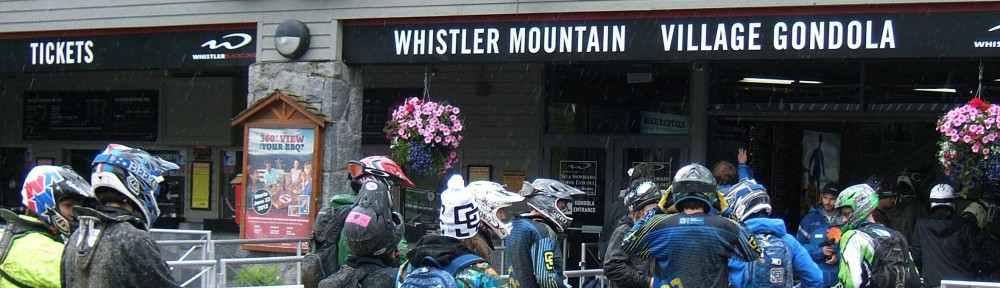
(I’ll avoid airing the sneaking suspicion that his bike-handling might be about as good as mine already, as the guys at Whistler found out in July!)

E-bike photo-gallery from the ISPOBike trade cycle show in Munich.

Gallery

This gallery contains 10 photos.

It is only since starting work for ECF that I have realised the fixation on electrically assisted bikes in the German bike industry E-bikes or pedelecs got a hold in the Netherlands first but it is the German industry that … Continue reading

Brussels had a lazy Sunday morning on Wednesday. So let’s go cycling!

BrusselsThe first part of last week I was working in Brussels, but I was completely thrown by discovering a Belgian public holiday on Wednesday when I had planned to work. I still can’t get out of my British habit of assuming all public holidays are on Mondays and I certainly haven’t got any knowledge of Belgian holiday dates in my head yet.

However this prospect quickly turned to optimism because the weather was forecast to be great, I was staying close to a good route out of the city – and best of all Brussels likes a lie in:

Even on normal work days I find this is a city that is slow to get started. The urban commute is squeezed into a relatively narrow window and very few people even consider early starts in their workplaces. I anticipate Brussels folks being really shocked by the number of suits already at the main London stations by 7am on most weekdays, let alone 8 or 9. I am almost always the only cyclist on the roads before 8 here and when I have been here on weekends and public holidays I know that the lie in is always extended, even better during school holidays.

I love early morning bike rides so I was up and away on Wednesday knowing that the place was going to be deserted and I could come back and knock off a few hours undisturbed work too.

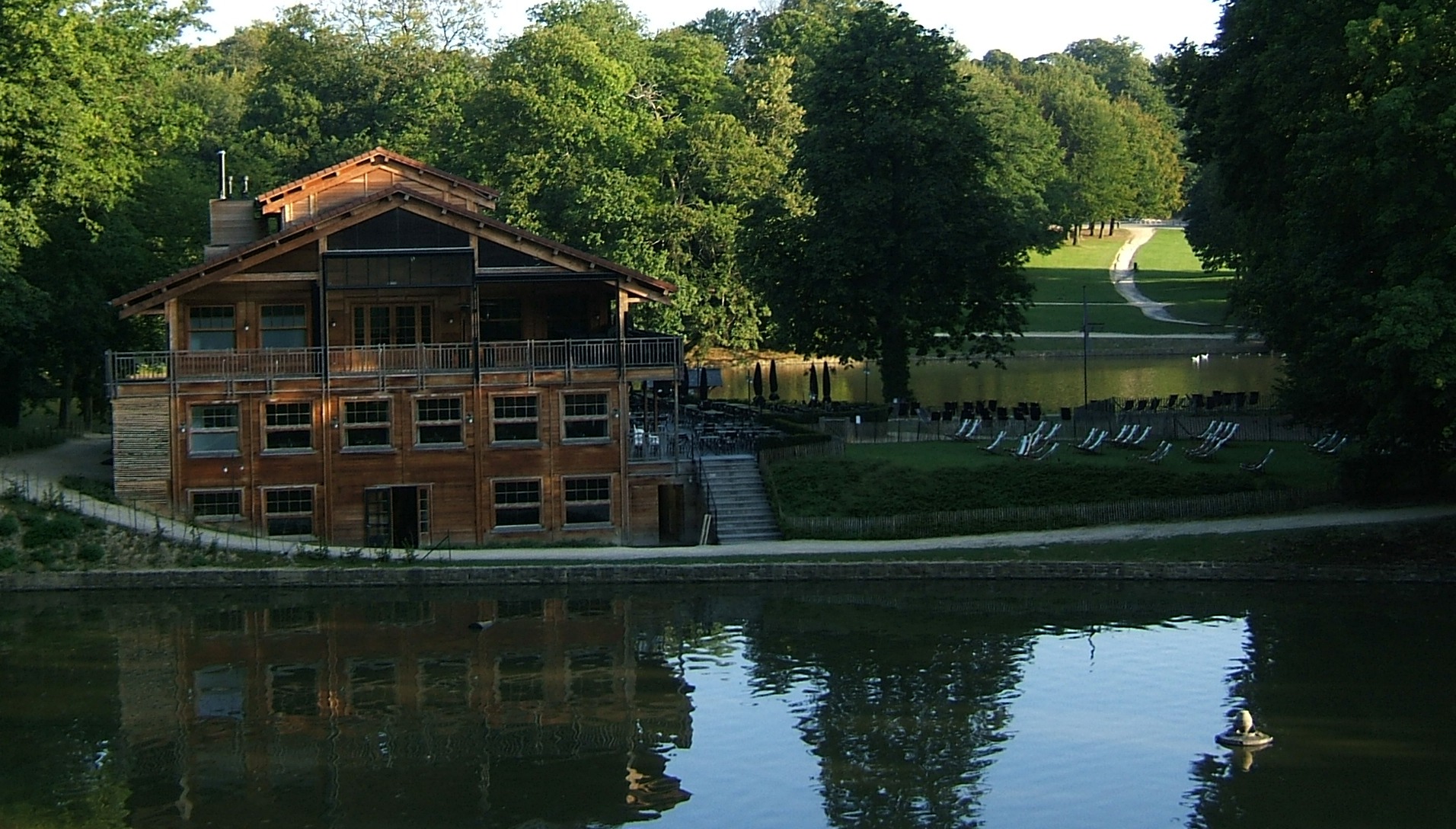
Bois de la Cambre, BrusselsFirst heading south through Bois de la Cambre which is a popular and attractive large park. Crazily its perimeter roads have been allowed to become part of a car commuting racetrack on weekdays, but at least they are closed on public holidays and weekends so they were very welcoming today.  The park pavilion Ucclewas optimistically offering its deck chairs to all comers, but it would be several hours before they were needed.

The mansions of the wealthy that edge the park and the surrounding routes to Forêt de Soignes looked appropriately exclusive in the morning light, but I also felt exclusive to have a four lane boulevard almost Avenue Franklin Roosevelt, Brusselsto myself – extraordinarily quiet for a big city.

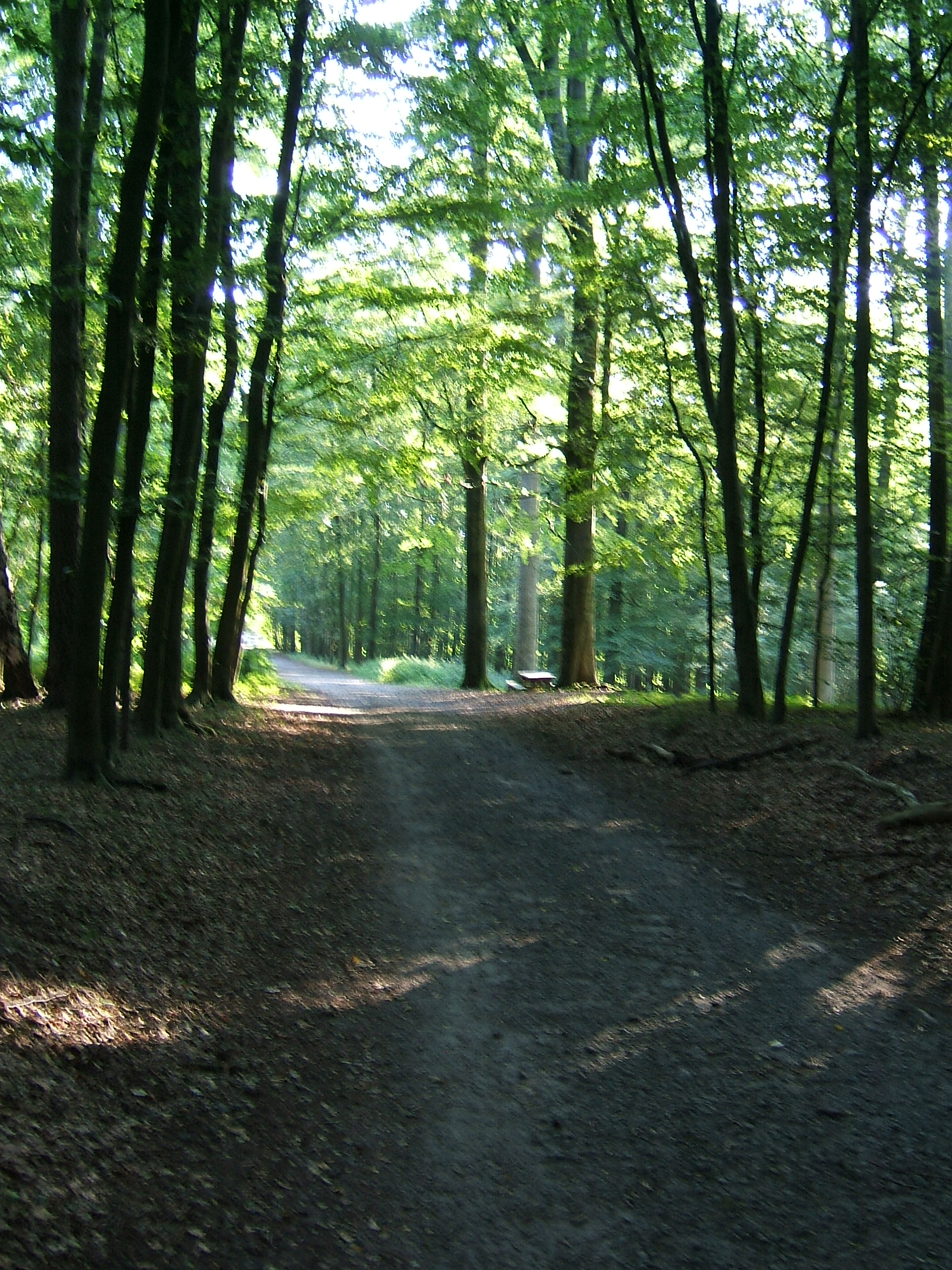
And then into the forest (Zoniënwoud in Flemish). I have quickly discovered this area for morning and evening rides since I started working here. It is great that just 6km from the centre of the modern capital city this area there is a forest of over 4000 hectares, stretching across the southeast of the city as a green belt. It is disturbed only by a few roads and unfortunately the motorway which does bring some resented noise to the tranquillity. Wikipedia  tells me that like many such forests it has been eroded over the years, not least by Napoleon but now I am told it is one of the successes of Belgian political gridlock – the forest is split over the regions of Flanders, Brussels and Wallonia and nobody is going to let Brussels expand into their territory.

Brussels Greenway signI can strike out through the woods on the signposted round Brussels greenway and a number of other better surfaced tracks, or as much as my small wheeled folding bike will allow I like go off on the dirt tracks and side paths discovering dips, hollows and tranquil ponds in ancient woodland settings. I do get some funny looks from the mountain bikers, not too many small wheelers in here.

On Wednesday after well over an hour of bouncing around I returned to a recent discovery, the smooth asphalt surface of the Dreve des Tumuli, a beautiful car free route that swoops and climbs through the forest contours back to the edge of the city and my ride home.Brussels forest

On this day I had seen almost no one except a few dog walkers but as I returned it was approaching 9am and the first cycle tourists were beginning to wander out sleepily.  By the time I got to Bois de la Cambre the jogging community was in full flow. Maybe it was to avoid the later heat, or just an ingrained daily habit which gave them the best of the day – but where are the cyclists? Perhaps by lunchtime many more will be out in Forest de Soignes along with the walkers and families however I am told it is rarely crowded.

But on Wednesday it was nice to believe it was almost exclusively mine. Thanks Brussels.

Googlemap of the area below

Is this the most soul destroying debate in cycling?

I haven’t tweeted or blogged since last Wednesday despite having  a whole stack of photos and reflections from the Olympic road cycling races and the amazing performance of the British. I have felt dragged down and fed up by what I regard as the most depressing subject in cycling. For me it’s the subject that almost puts “despair” into “I do not despair”.

As a cyclist interested in sport I have lived through endless drug scandals that dragged the sport into the gutter – and the idiots that still think this is the way forward despite all the evidence that the net is closing. And I can sadly live with the need of some of our advocates to rubbish anyone who doesn’t agree with their approach.

But the discussion of cycle helmets is the cycling subject that drags me down like no other.

I feel the need to put some of this down somewhere – and perhaps to share one small ray of light I discovered in British Columbia – a place with a compulsory helmet law. So back to the blog – and of course the views here are entirely my own.

I was all fired up to blog on Thursday morning but on Wednesday evening the news broke that a cyclist had been killed by an Olympic bus, then in an interview Brad Wiggins was asked about the incident and said that cyclists should look after themselves, including wearing helmets.

It’s the evening after he has achieved something remarkable. It’s not his subject road safety. But of course the BBC has to go major on “Bradley Wiggins calls for compulsory helmets” because they have umpteen hours of news channels to fill.

By Thursday morning London Cycling Campaign and CTC are in full defence mode and even the President of British Cycling has to tackle it when he is speaking about the fantastic system for developing talent that BC has put in place. To be fair, they all did a great job. (More here)

The twittersphere, bloggers, discussion boards were full of fire and fury swamping any pleasure that could be taken from Wiggins and Froomes’s feats and the later victories of the track team. Wiggins was slagged off by the community that just hours before worshipped him.

Somehow I lost interest in the on line cycling world for a few days, I have just treated myself to enjoyment of the sport on TV and the pure pleasure of riding.

It’s not just the UK. Campaigning groups in Spain have been stunned by an out of the blue announcement by a minister to say he wanted to introduce a compulsory helmet bill causing them to have to mobilise both national and international support against the proposal.

And at Velo-city Global 2012 in Vancouver the existence of a compulsory helmet law in British Columbia and the presence of so many advocates from helmet free Europe was just the combination needed to stir the debate endlessly.

Cards on the table. I am 100% against compulsory helmets. I despise the victim blaming that characterises so much reporting about cyclists’ deaths. I have despaired with families because a defence lawyer tries to suggest that not wearing a helmet was a form of negligence by the victim.

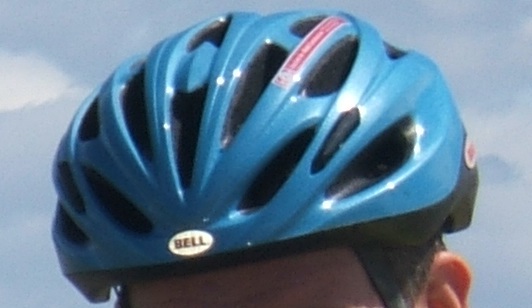
But I also wear a helmet – for mountain biking and when I used to race.

When I came to work in cycling back in 1998 I had no idea that this would be one of the discussions that would claim far too big a chunk of my life for the next 15 years – and no doubt will be around for the next 15. And that’s the problem – it just isn’t a subject that anybody outside a very narrow community can understand or engage with, least of all the cycle racing and MTB communities because the helmets are actually made for them – so why would people in lycra understand the issues of helmets for daily cycling?

And as a result it pits cyclist against cyclist, cycling advocate against road safety advocate, it gives free reign to the online trolls who attack cyclists and it heaps guilt on to people who have the most to give to cycling. The UK’s BBC are absolutely awful – they put all of their presenters at every level into helmets for any cycling story because they are so keen to “do the right thing” and they are part of the mindset that bullies politicians into helmets for the same reason.

http://cyberboris.wordpress.com/2011/05/10/woo-hooboris-brings-cycling-revolution-to-outer-london/

Boris in helmet – Image from CYBERBORISJohnson

Even Boris Johnson was dragged into it for a brief time when he became Mayor of London, but Boris is self-confident enough to say “no” – unlike most others. I remember doing an interview on BBC Radio London at the London Cycle Show with the otherwise estimable Sandy Toksvig. Being the BBC they had to have “balance” so they got a senior industry manager from a major multi-national bike company whose company sell a lot of helmets to make the case for lids. When he totally agreed with me that compulsory helmets was a bad thing for cycling the presenters decided that this wasn’t on and started to argue with us themselves.

And perhaps worse of all is the pressure on parents and cycling supporters who feel they cannot let children cycle without the dreaded plastic lid unless they become labelled “bad parents” or “negligent”.

But I am just deeply saddened by the debate itself, the resources it consumes and the time and energy we have lost as a community on a debate we just are not winning and can hardly win without risking damage to ourselves during the fight. Because if society was based on intellect and analysis nobody would speed, everyone would ride bikes, climate change would be resolved and nobody would smoke. And despite the efforts of some researchers who are bashing away some poor studies from years ago offers the pro campaigners their academic fig leaf, along with the comparisons they make with other undoubted road safety successes like seat belts.

www.Cyclehelmets.org is an amazing resource and I am in deep admiration for the team of volunteers and professionals that contribute to it, it would be foolish of me to try and replicate any of those resources here.

But I did amazingly discover one small antidote in Canada, despite the compulsory helmets. Whistler is an interesting case study for all sorts of cycling issues and I will be blogging about it more.

But this community of hardened mountain bikers showed how life really could and should be in relation to helmets. Riders who actually understand cycling risk better than anyone behave in ways that just make sense.

Downhilling?

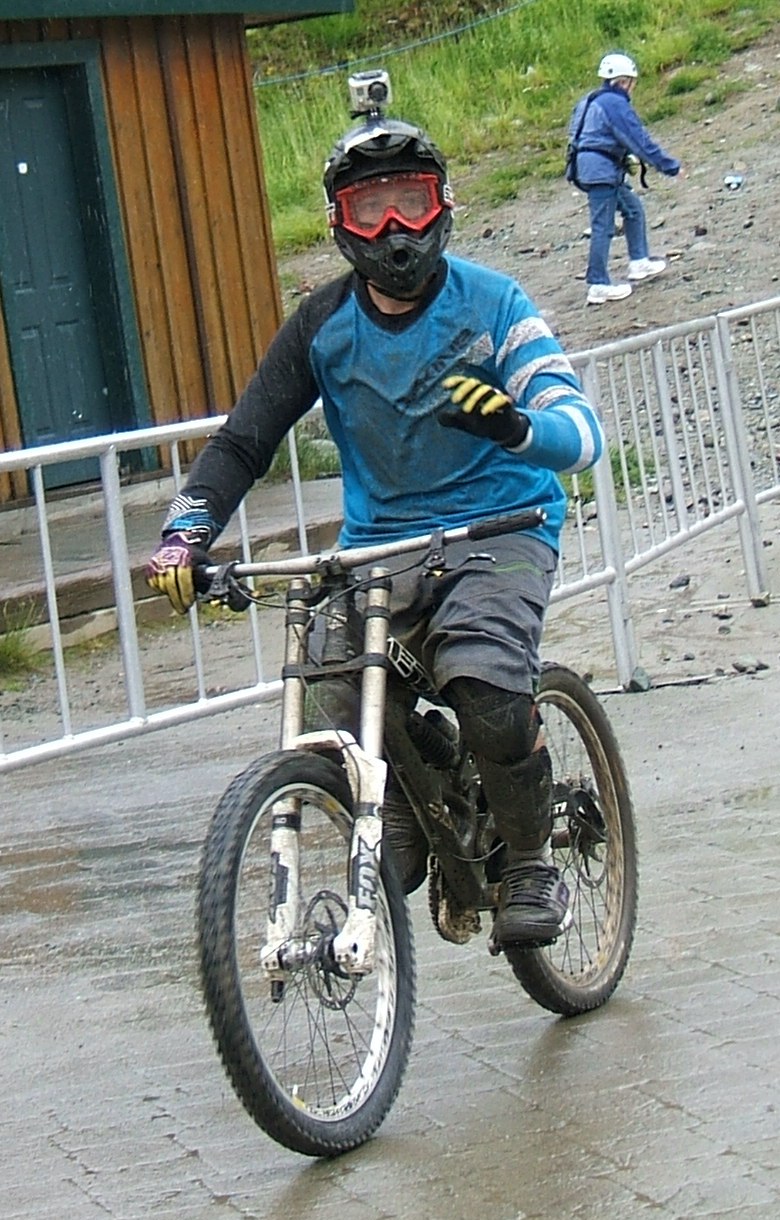
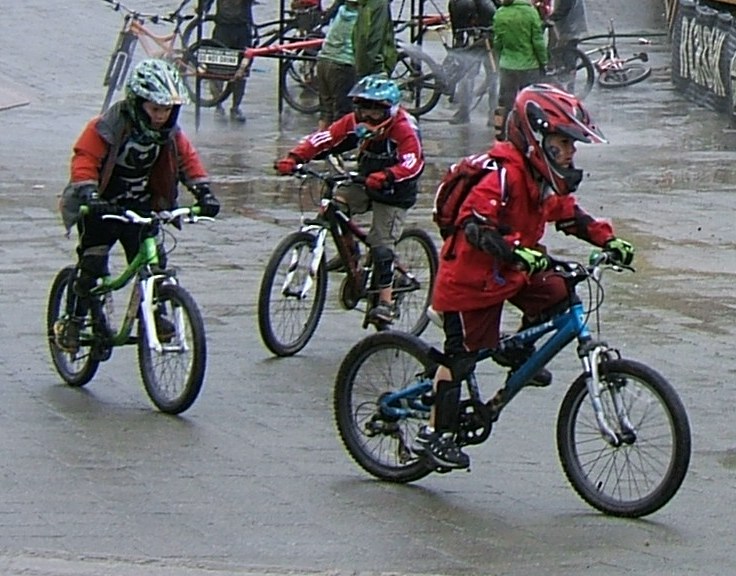
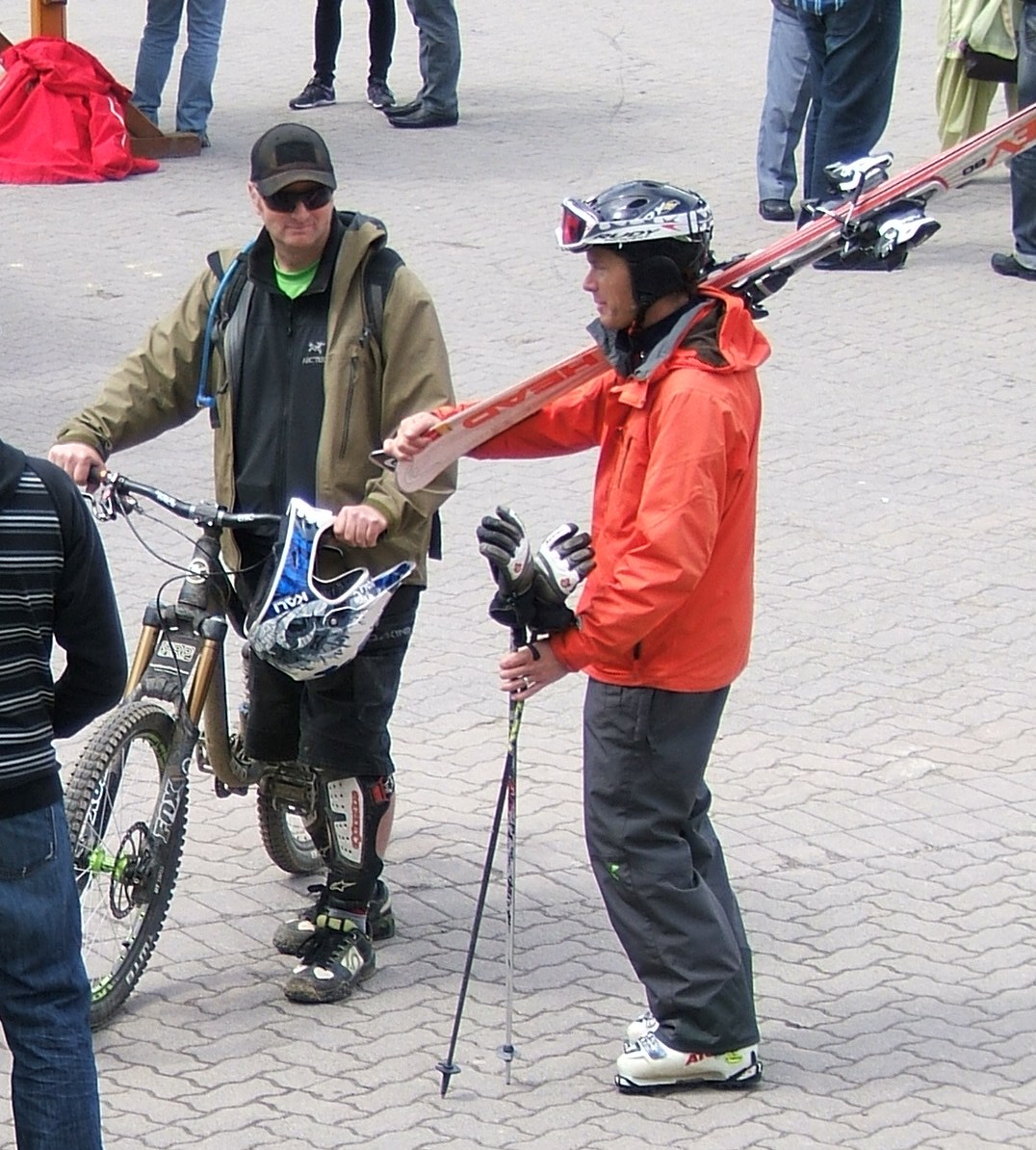
High speeds, high risk of falling? Big impact if you get it wrong? Then it is full face helmets and even body armour. Even the designs take their lead from skiing and snowboarding as can occasionally be seen when the two take place together.

What to wear for downhillYoung cyclists at bike park

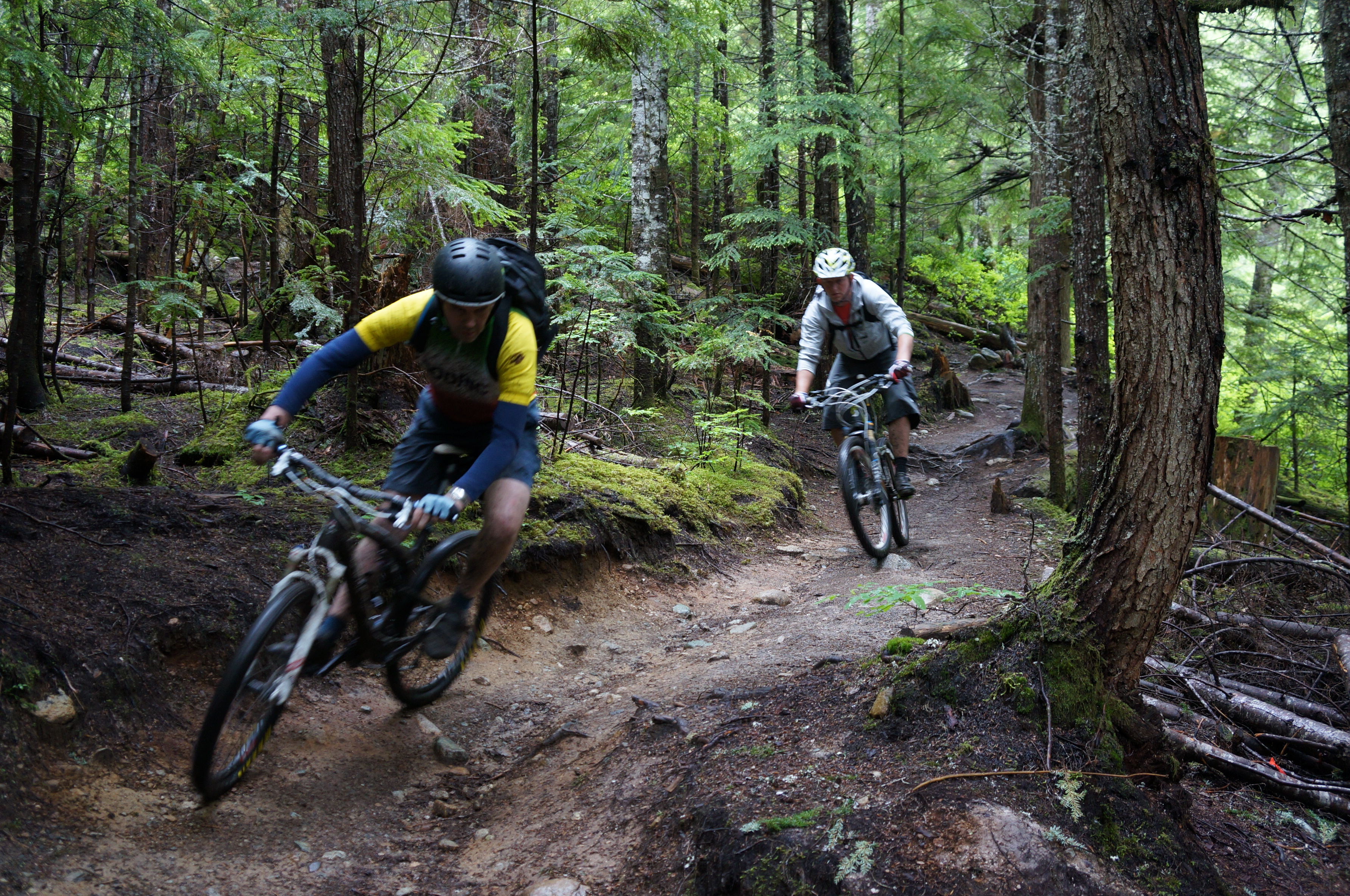
Whistler Bike ParkOffroad cross country – roots and rocks creating a falling hazard?

Kevin MayneWithout the high speeds and the jumps of the downhill tracks the risk is lower and the impact speed is within the spec of the usual cycle helmet. The modern cycle helmet evolved from this world and it is entirely reasonable that it was designed for exactly this use.

The ride to town, or to and from the slopes?

Despite the compulsory helmet law this community knows that the good network of cycling facilities, traffic free town centre and the general understanding that motorists know cyclists are around means that the helmets are irrelevant to their safety.

And no sign that the local police feel any need to do anything about to enforce a law that was dreamed up by remote politicos in Vancouver, they recognise that cycling visitors are an engine of the local economy – so why should they hassle them?Whistler Village

Whistler – common sense helmet use. If only the rest of the debate was this easy.

Cycle Touring in British Columbia – notes and reflections

British ColumbiaI was quite disappointed with the lack of resources on the web when I was researching my recent cycle tour in British Columbia. It was only a short trip in summer so the risks of getting anything significantly wrong were quite low but it was quite a frustrating process.

Putting “cycle touring” or “bicycle touring” British Columbia into search engines most of what I found was commercial tour operators or tourism sites that then provided no content or links to mountain biking centres. This may be linked to how few cyclists I actually saw. It was the height of summer and I only saw three tourists despite the amazing routes I was riding.

Half a dozen useful comments might have alleviated some angst, so for what it is worth here are the things I wish I had known before I set out, written down to help any future travellers, in particular those more used to touring in Europe. It is not at all a definitive guide, it would be great if someone in BC gave some thought to this, it would really help.

Route planning – roads

My biggest fear was the fact that the bulk of the route seemed to offer nothing but main roads including Highway 1 which in any country probably indicates a very major route.

I spend time online and looking at maps to see if there were alternatives because I was quite concerned and I really couldn’t find any advice. Certainly most of the bike routes online seemed to use main roads so I guessed I would be OK.

In reality I didn’t have much to worry about for three main reasons.

  • Firstly the traffic volumes were really pretty low by European standards except for a couple of sections. Without the RVs (recreational vehicles or campervans) some sections would have been almost deserted.
  • Secondly the wide shoulders on most routes were an excellent cycling route.
  • Thirdly the behaviour of Canadian drivers. I have never cycled anywhere where the drivers gave a lone cyclist such a wide margin when passing – remarkable. In particular truck and commercial vehicle drivers in the similarly deserted South Island of New Zealand could take a big lesson from the Canadians.
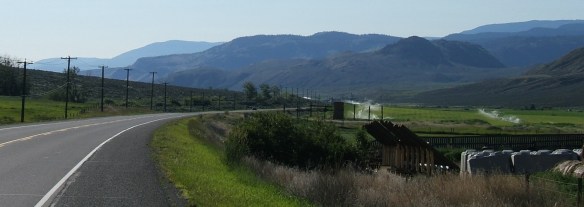
BC Highway 1However I will give this a health warning. There were some busy sections I cycled near Kamloops and Kelowna, but in both cases there were alternatives near these larger towns. My section of Highway 1 was bypassed by an alternative new route and when the two sections recombined it was much busier. The short section of a major truck route on Highway 97 North/South just north of Cache Creek indicated that this might not have been so much fun had I chosen to follow it for a long distance. And some colleagues reported that they felt that the provision of a cycle route alongside the 4 lane highway from Vancouver to Whistler just did not look safe because of vehicle speeds, but the person who rode it didn’t complain and I felt it didn’t look too bad from the bus.

However in general I would strongly say that even these specific examples were manageable and the rest were amazingly quiet and I really don’t know why I worried.

Second health warning – I wonder what this is like nearer to winter, because I guess snow could fill the shoulders even if the road is ploughed for vehicles.

I would also flag that there were really no alternatives except dirt roads in many cases. For example I spent a lot of time looking at alternatives from Cache Creek to Kamloops to avoid Highway 1. I thought it might be possible to go to Ashcroft and follow dirt roads to Savona. But I looked at several sources on paper and on line but I never really did work out whether the road went through, and one mystery line turned out to be a railway, not a road!

From the plane on my way back to Vancouver I got a much better understanding of the wide network of dirt roads in the back country because the dry weather had dried them to a yellow sand or clay colour which contrasted to the forest well. However I would not have wanted to risk them without very good mapping and a satnav or compass, and a full mountain bike because there was not a flat section in sight.

Maps and routes

I bought a map of Southern British Columbia from Amazon before I left for some route planning and stupidly managed to lose it but it was okay for planning. (British Columbia South: ITM.113)

So in Vancouver I looked for some alternatives. It was a complete disaster. The one and only map shop in Downtown Vancouver had closed and the alternative shops had a rubbish selection of town maps or maps on a huge scale that did not give enough detail for cycling. I thought I might do better in Whistler, but for an outdoor town the selection was to my eyes still really poor.

The only maps that appeared anything like the detail I would expect were a couple of atlases calling themselves “Backroads” atlases aimed at 4 Wheel Drive vehicles or Trail motorbikes. However the atlases did not cover all of my routes and would have cost me over $50 for limited benefit.

In the end I navigated using Google Maps, Bikely and pages torn from tourist guides for each region. This was of course possible because of my first point above – I was sticking to the main roads and so very large scale maps were all I needed. And in reality the maps on sale tended to meet that need – a country where the long distances mean people need big maps just to travel between population centres, or detailed local maps for the back country trails used to get into the woods or hills. Neither of these really work for the cycle tourist, but in hindsight I was not significantly disadvantaged by a lack of maps.

Real credit must go to online bike route website Bikely. Almost every road I wanted to ride had been covered by someone who had done it before so maps and profiles were available. It occasionally took some detective work to isolate just the section of road I needed and combine it with others to get an overall profile. But other sections were a perfect match, another rider doing just the same section. The key elements I needed were the confidence that the main roads were rideable and the route elevation profiles which told me the climbing. I also found mapping site geokov map maker which was great for topography.http://www.bikely.com/listpaths/by/nozza

The other thing I didn’t really find online but I now know exist are some interesting long distance cycle routes which might well have been good to try and incorporate had I known. Simple but bonkers fact is that the Trans-Canada Trail web site does not contain the word “touring” anywhere so will never be found in a search engine looking for cycle touring routes.

Sea to Sky TrailIn Whistler I discovered that the Sea to Sky route which comes from Vancouver is being extended beyond Whistler and is intended to go on and link up with other Trans-Canada routes which form a greenway network across Canada. The section to the East of Whistler is going to be an offroad trail running away from the main highway. However it will be much slower than the road route because it climbs more and the surface is rougher but it will be great for those looking for leisurely and scenic riding.http://www.kettlevalleyrailway.ca/

I also found that I was riding close to an amazing cycle route called the Kettle Valley Trail which is part of a whole network of former railway lines. The “trestles” or wooden railway bridges and tunnels have in many cases been restored and apparently provide some great cycle routes. There are published guides and histories which would have made a good pre-read and I could have aimed to include some of them in my route had I found them beforehand. Doh!

Planning services

This route was in Southern British Columbia which is the relatively densely populated part of the province. Despite that there were long sections that had absolutely no services. I could easily have made some big mistakes and left myself without food and drink because these sections did include access to camp grounds and provincial park centres but unlike similar venues in other countries most of these had no public services such as shops or cafes. The ubiquitous RVs may partly be to blame, even campers travel with a week’s supplies on board.Sign near Pemberton British Columbia
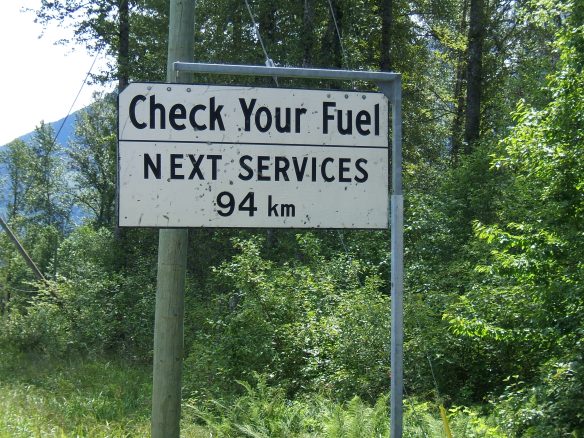
However I am told the real reason even quite big and popular camping grounds have no services is because the season is so short and it isn’t commercially viable to open a business based on just a few weeks’ sales. Therefore I carried extra food and even put a filled a Camelback bladder with extra water in my panniers for a couple of legs.

The best guide I found was the web site Mile by Mile which actually specified what was available along a number of the roads I used but I would suggest caution because opening times can be a bit hit and miss too.

Bikes

The roads I used were in excellent condition and could be tackled on almost any road bike.  I only experienced a couple of dirt roads and generally they were good too, but steep, up to 13% gradients.
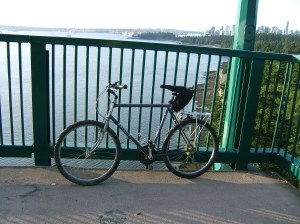
MTB as cycle touring bike However I would strongly recommend consideration of a 26 inch wheeled mountain bike set up as a road tourer. The roads are steeper than continental Europe with 10-13% encountered on several occasions so the lower gears of the MTB would be useful. I was over-geared on the bike I bought, I should have got the freewheel changed as it was probably only about a 25 tooth on a road triple which wasn’t enough. But perhaps more importantly the BC mountain bike scene is vibrant and you will find spares and repairs much easier to find, even in small towns. If you are going to buy a second hand bike as I did the range of MTBs on offer is much wider too.

That doesn’t mean foregoing dropped handlebars, I have regularly adapted them on to MTBs but I used some bar ends to get a different handlebar position.

Accommodation

I stayed in motels booked through web sites apart from the Alta Vista chalet run by Bear Back in Whistler. No real plans to carry camping gear around or buy it in Vancouver.

The advantage of the motels were:

  • That the rooms are large and mostly ground floor and I could take my bike inside all of them.
  • Clothes washed either in the shower or in washing machines daily and dry overnight by using the preferred wringing them out in a towel technique – always works with a plentiful supply of towels.
  • Microwave, tea/coffee, fridge in every room so I could buy and store food, saving money on meals all the way unless I fancied buying out. Although really stupidly the rooms don’t provide plates, knives and forks so I had to buy a plastic set. The probable reason (and downside) is that the selection of foods in the average small supermarket or convenience store was generally really unhealthy and the type of stuff microwaved in a burger bun. I relied on granola and milk in a cup (or several cups) as the most reliable breakfast, topped up en route.

Alta Vista Chalet would be worth using as a base (if not booked out) even if you are passing through Whistler on tour. It is a little cycling mecca – everyone on the staff and visitors is a cyclist, there is a really good workshop in the basement and the food is of the type and quantity that we love!

Whistler Day 2 – rivers, emerald forest and bears!

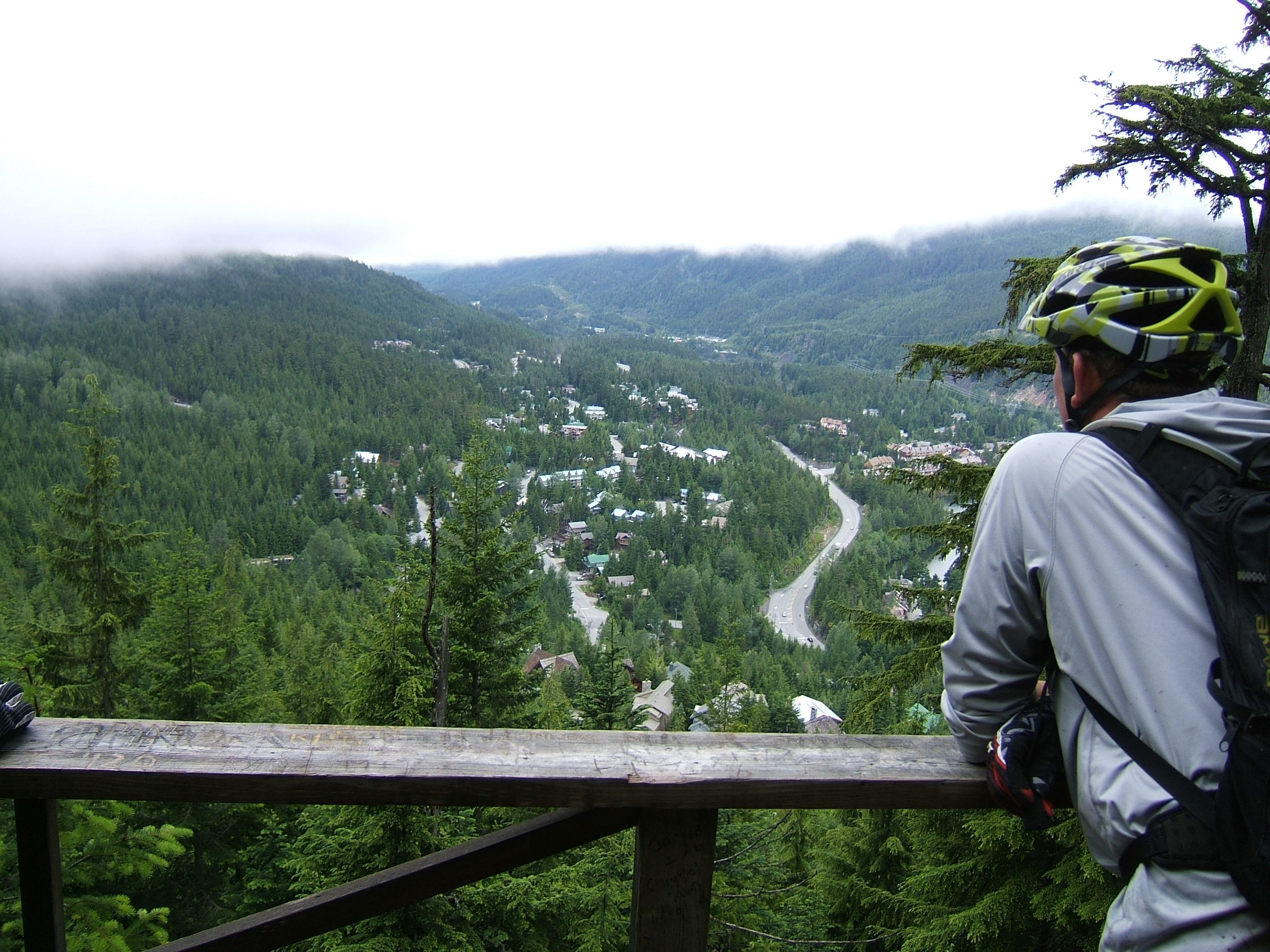
Whistler Valley View

Ready to goHustle and bustle at the chalet this morning. There is a real mixture of riders here at Bear Back Biking which reflects the diversity of rising in Whistler. Downhill culture gets all the publicity because of the Whistler Bike Park but the variety of trails and facilities means that small groups will go off in different directions.

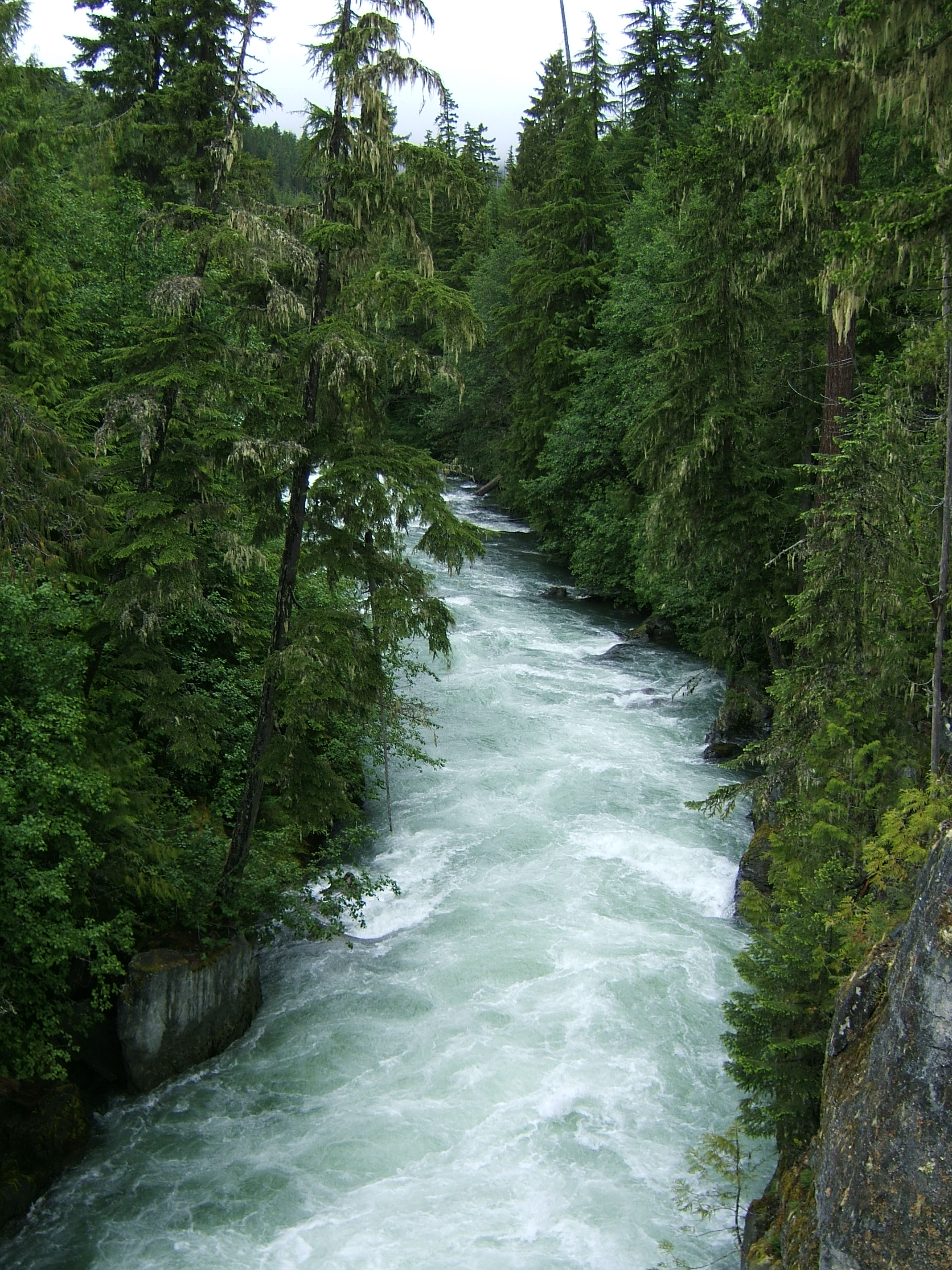
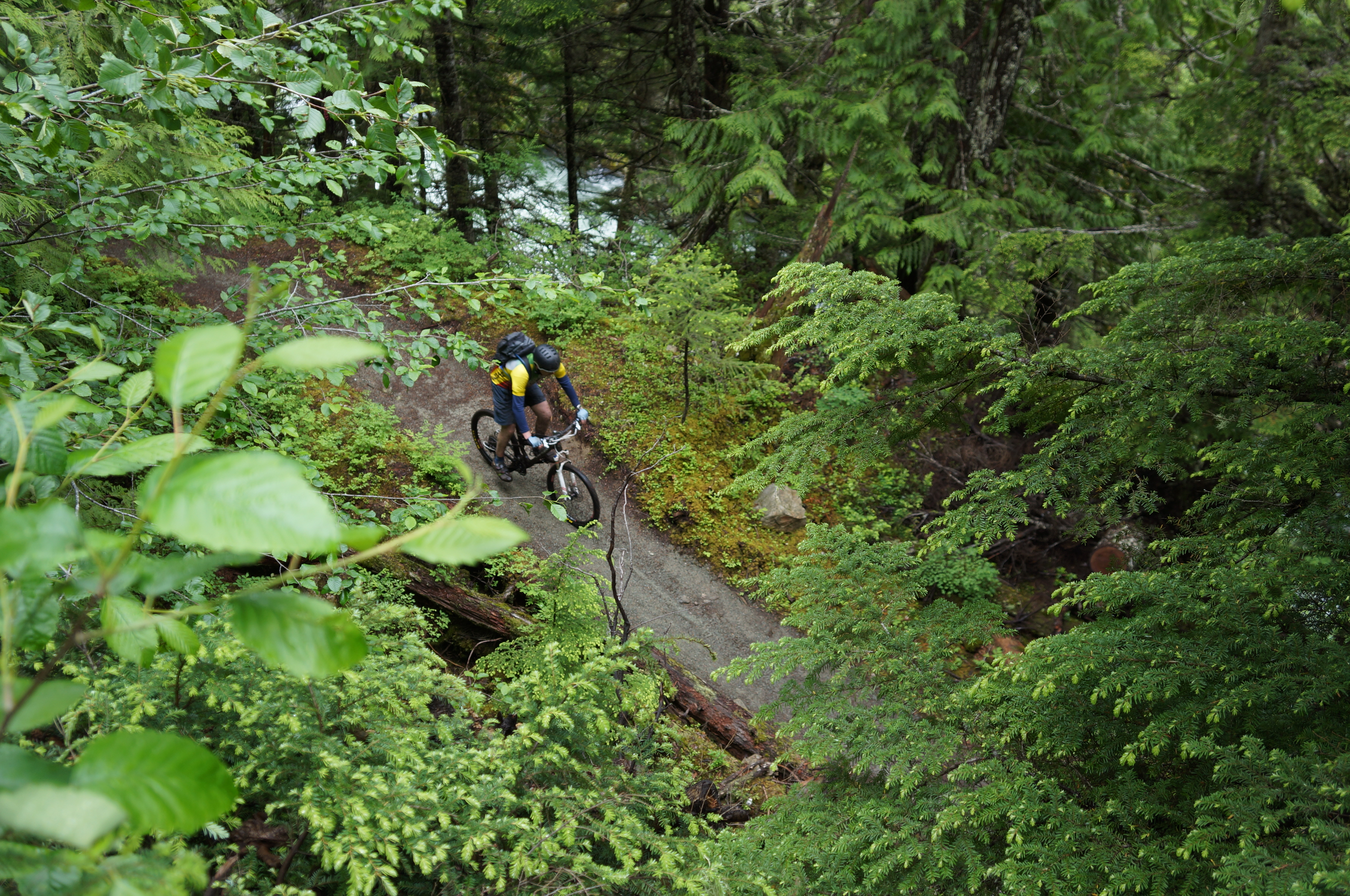
Today I had a guided ride off to the area known as Riverside which as it suggests is a series of routes up and down a steep sided valley with a glacial river flowing down the gorge. Beautiful spot with a choice of gravel forest roads or a network of swooping and dipping trails up and around the river. And once again the guys at Bear Back had pitched it just right for my level so I was really able to enjoy it.Whistler

Yesterday was very much about riding skills but today was more about scenery and landscapes, although as most cyclists knows that means more hills – you can’t have views without some climbing and for me why come to a mountain resort unless you are going to get up to a level, even with low cloud around.

And I got to meet the neighbours too!Black Bear - Whistler

The other highlight of the valley was the sheer exuberance of the greens in the little hollows and ponds which featured up and down the valley. It was almost temperate rainforest in its appearance with the combination of ferns and fronds, a rare combination in most countries.

Riverside - Whistler

Riverside Whistler

Kevin Mayne

Kevin Mayne

Whistler – first day

View from SquamishGreat to be here in Whistler for my two days mountain biking.

It was an amazing trip up here – I was told the Sea to Sky Highway was something special – it certainly is. Imagine a four lane highway alongside a fiord, swooping up and down to take in enormous views. And then at Squamish we turn in towards the mountains for the first time, following the valley up to Whistler.

Arrival at the Alta Vista Chalet last night, home of Bear Back Riding, my hosts for the next two days.

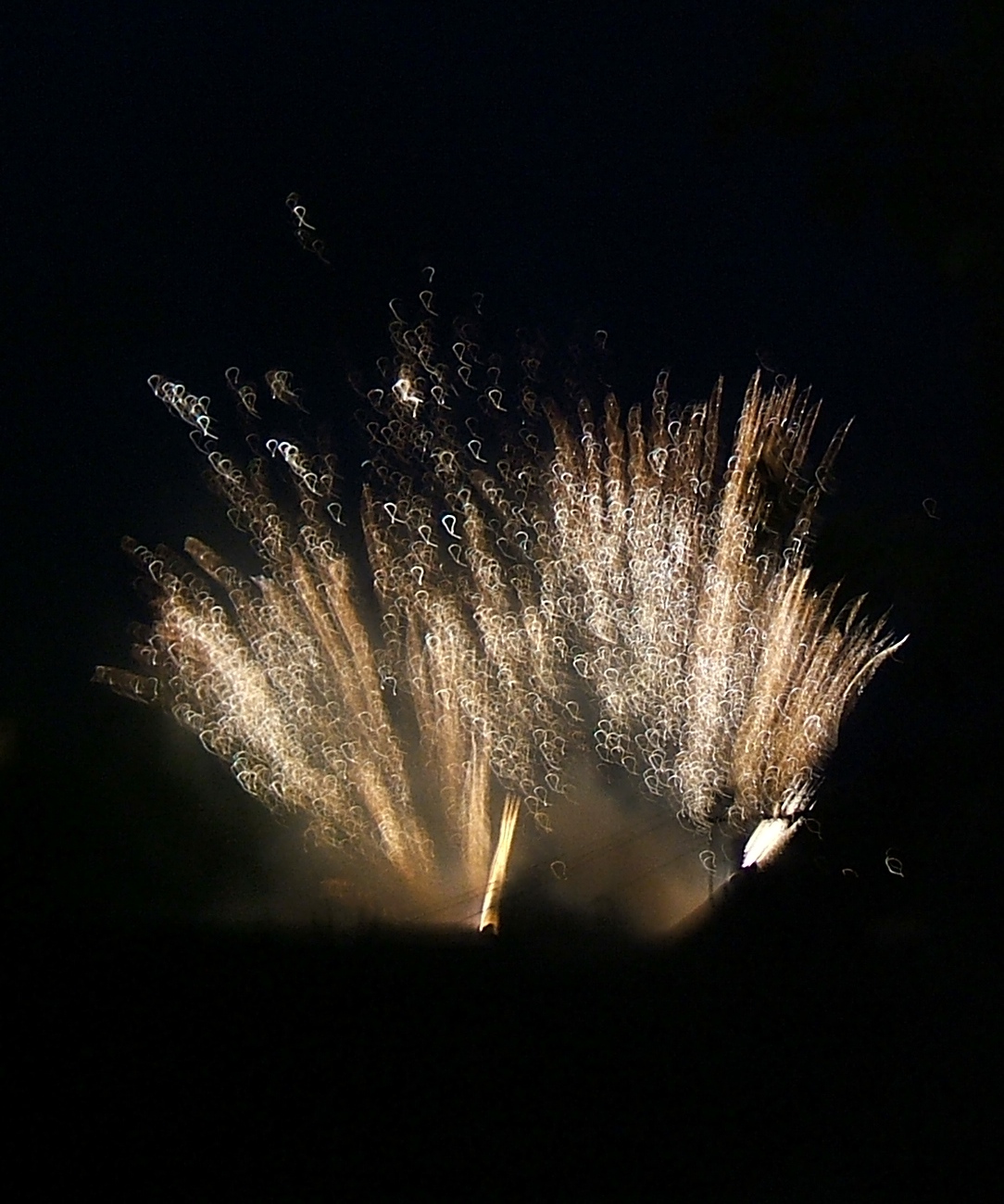
Canada Day WhistlerThe welcome was warm, the food was excellent and it was also good to bike up to the Village to see Canada Day fireworks on the mountain.

Today some trepidation – how would I cope in this mecca of mountain biking? 50 year old roadie, not done much off road for a couple of years and definitely carrying a few kilos that I could do without when we start climbing. And needless to say the rain was hammering down

Probably didn’t need to worry. Full suspension bike from one of the many rental stores in the Village which frankly rides better than my bike at home. My guide Jamie took me off to the Lost Lake trail area which I gather is the testing ground for new arrivals.

I had an excellent day – 3 hours with Jamie in the morning and then another two hours after lunch on my own to freshen up my skills. The trails selected were about right for my ability although I got absolutely infuriated with myself because I couldn’t get up anything technical at all. As soon as a few rocks or roots got in the way I seemed to just stall. In the afternoon I felt much better.

The trails were probably “Red” by UK standards which is just about my limit at the Seven Stanes or centres in Wales, so that worked really well. What I haven’t ridden much are the wooden bridges as I don’t ride North Shore at home but these were really not slippery given the awful conditions. Best named section “Pinnocchios Furniture” – because this boy is made of wood.

Not many photos today as the weather wasn’t very good for views but I have stocked up a few for a blog post about Whistler itself tomorrow. Interesting to compare such a bike mecca with the transport cycling towns that we have been discussing last week – this is a whole different outlook.

Green Lake View point Whistler

Low cloud line!

Jamie from Bear Back Riding - Whistler - Green lake View

Whistler ride

Pinoccio's Furniture sign

Bike bridge - Whistler

Back to the mud again

Back to the mud

Mountain biking as it should be

I really have become a bit of a sad old roadie – getting more like my Dad every week as I sat looking out the window waiting for the rain to stop. By Sunday I’d had enough and did what I should have done all week – went out on the mountain bike and got proper muddy.

Thoroughly enjoyable, had Swinley Forest almost to myself and blew away all the cobwebs in about three hours.

Got home to an email from the old man himself entitled “The deluge” moaning about not going out and I felt even better for having broken the genetic mould.

Thanks to former colleague Sara for suggesting a alternative : Scubster pedal powered submarine. I think I’ll keep to me mud for the moment – nearer to home!


Falling off

I take a certain pride in posting this clip from the British Universities Mountain Bike champs last year which has just been sent to me. To get the full effect tilt your head to the right, then you will realise the real angle of the hill by the way the spectators are standing.

http://vimeo.com/21034147 

About 2min 30sec into the clip the man rolling down the hill is my son, on his way to collecting a broken wrist for his pains. I must say I’m quite impressed by the roll, he must have been going for it at the time. What makes it worse is that he was also the one falling off at 1.14. Doh!

Apparently the organisers were using a regular course for downhillers and set out a cross country course around it, including some sections from the downhill. As the student champs is as much a beer weekend as it is a race a lot of roadies and casual riders entered to support their mates in the main race, but they were totally out of their depth on this section and the chaos ensued. I gather the roadies were really angry.

This set me thinking about the relationship between cyclists and falling off. Look at the crowd in the clip – mostly laughing, and certainly gathered at that spot for the falls. Read the comments below the clip on Vimeo.  Mountain biking web sites and magazines love a good crash. However mag pages featuring horrible injuries have largely been succeeded by on line video, mixed in with the spectacular leaps and descents are always a good selection of big “offs”. Every one watching this hill will know the feeling, falling off is as natural to mountain bikers as getting on the bike, certainly if you are going to stretch your abilities at any point. Of course the top riders have a level of skill which means that they can ride things I can’t even walk down, but they mostly had their share of falls on the way to that level. On the road and track it is almost impossible to have an extensive racing career without hitting the deck a few times, if not you take up pursuit and time trialling to stay away from other riders.

Compared to most downhillers I am a wuss. Like most lads I got my first wrist break in a bike crash when I was 11 years old. Martin Fuller (I can remember you wherever you are) switched me as we were thrashing our bikes down the road outside his house. Broken scaphoid bone (wrist again) on the concrete velodrome in Cardiff 20 years later.

Pretty near miss too at Aston Hill MTB centre when I almost broke my shoulder and got 10 stitches in a knee. Actually the sign at the top should have been a give away “Full body armour and full face helmet recommended”.

Most of the rest of my prangs were losses of skin and dignity, and today I seem to suffer a bit longer from the bruises, so I am a bit more careful. But there is something really special about knowing you were just a bit on the edge of your ability, something that I would only ever try on a bike, not in a car or plane.

People whose route into cycling was largely commuting or touring would regard us as totally mad. How can we get people cycling if they think it is dangerous? Didn’t the films of Jonny Hoogerland being clipped by a TV car in last year’s Tour de France and knocked into a barbed wire fence set cycling back years?

I don’t think so. If we are going to get a whole generation of teenage lads off their backsides and away from the video games for at least a few hours we are not going to do it promising a nice ride to school and eternal salvation. Try asking your teenage lad to go and dig out your potatoes because the organic food and the exercise will do him good. You’ll probably eat the shovel.

Now let him and his mates loose in a bit of old waste land with the same shovels and a few BMX bikes and tell them they can build what they like.

Good parenting says someone’s going to get hurt, bring on the health and safety police. Really good parenting says “don’t come home until dark, and call me from the hospital if you need a lift back”. Bring it on.

P.S. This post is not approved by my wife, who really could not see the funny side of Ben flying. It’s a Mum thing.