Going down……..

I was browsing yesterday when I found this video on the Charlie Bucket Cycles blog. It caught my eye because it features the Stelvio – the key climb in the Giro d’Italia which has just finished. It just made me smile.

And then with the magic of Youtube you are prompted by another link about going downhill. It is the most amazing sequence. Not just the extraordinary skill of perhaps the finest descender we have ever seen. But give credit to the motorcycle team who had to do this with a pillion rider on the bike and to the producer who at some moment decided just to let the sequence run – for almost the whole seven minutes.

If you regard yourself as disinterested in cycle racing – perhaps a pure cycle commuter – I suggest you watch this and imagine. At some time this chap is going to retire from racing. Can you see him riding to work in a traffic jam near you?

Books and reflections – Eddie Merckx and Beryl Burton

As I mentioned in posts at the time two of the greatest cycling names in history crossed my path recently. I was given a new biography of Merckx as a “going to Belgium gift” by Brian and Marjike and I heard about a possible play about the life of Beryl Burton in the same week.

There was something in the insatiable desire of Merckx that reminded me of Burton’s appetite for racing so I decided to re-read of Beryl’s autobiography “Personal Best”, both as a comparison and a reflection of two riders from the same period.

Without a shadow of doubt William Fotheringham’s “Half Man, Half Bike” is the better read. He is a professional journalist with a good eye for a story but also the variety and competitiveness of international pro bike racing means there is so much more in the content. It is also much more accessible to a wider audience because pro bike racing gets much more media coverage these days. Beryl was above all else a specialist in the very British branch of time trialling. It has a character all of its own, but it is not exactly a thrill a minute sport and Beryl was so dominant far too much of the book reads like a catalogue.

Personal Best - Beryl Burton CoverIn “Personal Best” only editor Colin Kirby really speculates on what made Beryl special. William Fotheringham spends more of his time trying to understand why Merckx just had to win every week, but without ever really getting to the bottom of this driven personality.. And what neither book can tell is what made them the athletes they became. Is there a link to illness as a child, especially in Beryl’s case? One can’t help but recall that Lance Armstrong was good but not great before his recovery from cancer. Today sports science would intervene and give us some juicy titbits, like the lung capacity and low pulse rate of Miguel Indurain or the power output of Mark Cavendish.

Also what I hadn’t realised until I read both books side by side is just how many injuries both were dealing with. If the ability to push yourself to the athletic limit is linked to an ability to overcome pain thresholds then perhaps we have found the common thread that binds them? For now we largely have the results of both careers, and a hint that winning was as much mental as physical with these greats.

I enjoyed re-reading “Personal Best” much more than I expected. In 1986 I did find it a bit boring and I am not sure I really can recommend it as a great read to anyone outside time trialling, other than as a curiosity. But reading it this time I felt both nostalgia for a lost time and a deeper recognition of just how great this athlete really was. I hope the radio play about her life comes off and really manages to capture the essence of the BB story, I for one shall be watching out for it eagerly.

Personal Best – reflections

(Eddie Merckx “Half man, half bike” review to follow in a few days.)

On opening my copy of “Personal Best” there is a handwritten message: “Sept ’86 – she’s an inspiration to us all. – Dad.” On the occasion of my 25th birthday this book was important enough for my father to make this my present, knowing I would understand the message.

Only in the closed world of British time trialling could the legendary status of Beryl Burton truly be understood. Forget the time trials you see on the television for the world champs or at the grand tours. This was a sport that grew up with a very different heritage, a sort of parallel evolution to all other forms of cycling. In the early part of the twentieth century a group of wise men decided that continental style mass start racing was too much for the British public to bare and it had to be killed off. The only way racing on the highway could be considered was to have secret meeting points early in the morning where discrete cyclists carefully dressed in black would ride off at one minute intervals to compete on time over fixed distances. There was also thinly disguised snobbery for the fancy tactics of the continentals, this pure art of time trialling was about speed only.

In the narrow confines of time-trialling world there is no “hand to hand” combat where cyclists could use skill and tactics to ride against each other, it is power in its most pure form. While the sport had moved away from its secret identity by Beryl’s time it was still a relatively narrow world, but it commands a significant cycling community in the UK. Even today there is hardly a racing cyclist who hasn’t at least tried the shortest of all the time trialling distances – 10 miles – and knows their own PB, hence the title of the book “Personal Best”, a shared code.

This makes time trialling very inclusive. Everybody here understands the search for those elusive seconds that could give a new PB or set the fastest time for your club, district or country this year. They can also measure exactly in seconds, minutes or miles exactly just how good the champions of the sport really are. I know the time and place of all my personals, and just how slow I really was! And up to the 1970s the races were also a shared experience. Up to 120 riders of all abilities could set off and have the same experience of the course and the conditions. The champions are scattered through the field so the mere mortals will see them whizz by at regular intervals. Later greater use of cars enabled the faster riders to travel the country seeking fast times and keep the lesser performers off many of the fast courses, but in the 1960s it was still a real melting pot. In preparing this post I was looking at some recently scanned photos from our family album and I suddenly realised that this grainy shot from the Isle of Man Cycling festival in 1966 just sums it up. Isle of Man Cycling Festival 1966 Time Trial Start

My Mum is on the start line ready to ride a festival time trial in what must have been her first ever season of racing. And I think waiting to start just one minute behind her is none other than Beryl Burton.

Beryl belonged to this community, she was their icon, their champion – and all the more accessible for being a Yorkshire housewife who worked on a rhubarb farm and was largely untouched by celebrity. She had come into this closed world as a young Yorkshire woman who won her first race in 1956. By the time her autobiography was written in 1986 we didn’t know she had just won her last solo national title but she had been at the top of the sport for nearly 30 years. She not only won women’s races by enormous margins but then started beating the men. There was not a time trialist in the country who couldn’t measure just how good she was against their own times. Some of the earliest times I can recall are being carried out of the house in the dark to a waiting car because Daddy or Mummy had a race. Hours later we would wake up in some god-forsaken layby where the time trial had taken place. And whenever I might ask “who won?” the answer for the women’s race would always be Beryl, and indeed many of the men’s races.

To cap it all was the legendary 1967 Otley 12 hour. In time trialling the Brits race up to 12 and 24 hours each year to see who can cover the greatest mileage. In 1967 Beryl did what no other woman in athletic history has achieved in any sporting discipline. She not only beat the men’s winner on the day but she broke the national men’s record, completing 277 miles (449km) in 12 hours. I was only 6 years old at the time so I don’t have any recall of it as news but I somehow felt I was part of that time. Back to the family archive and I discovered the result sheet from the 100 mile championship of the year which has one of my favourite family cycling photos.

National Women's 100 mile Time Trial Result Sheet 1967

National Women’s 100 mile Time Trial Result Sheet 1967

Beryl dominant as ever, but 30 women finished the event, not least a novice riding her first ever 100 mile TT. I know I was being carted around such events at the time in the back of the support car so I guess I just absorbed the memories.

If the UK cyclists win medals at the Olympics this year it will be great, but it would be a much fairer test of their greatness if they were pitching against the five or six Gold Medals that should have been won by BB. “Personal Best” is a better book when it ventures off into the more exciting world of road racing and foreign trips such as world championships where she came up against the Belgians, Dutch and the machine that was Russian women’s sport in the 1960s and 70s. But Beryl’s frustrations with the lack of reward for pure effort show too, here was a world in which should couldn’t win every year with pure Yorkshire grit, but her haul of seven world championships is truly incredible. Sadly all women’s racing was excluded from the Olympics until the 1980s and even then a time trial was not included until much more recently. Had it been there is little doubt Beryl would have had far greater national prestige outside the cycling world.

The book quotes a French commentator in the opening line of the forward which sums it up. Maybe not the greatest book, but the greatest female cyclist we have ever seen:

“If Beryl Burton had been French Joan of Arc would have to take second place.”
Giro D’Italia more fun than the The Tour?

After last year’s brilliant Tour de France I really thought the event had got its mojo back – best in years.

But I have to say for consistent excitement the Giro organisers seem to come up with the goods regularly and the riders respond with attacking riding almost every day. Can’t wait for tomorrow, the event going in to the final time trial genuinely in the balance.

I loved stages like the day into Assisi, those short sharp uphill finishes into the old cities and towns make the race. I just can’t imagine the Tour de France going into a place where the streets are so narrow there was room for just one rider, rewarding the bold, but creating narrow margins that change almost daily.

And today – just a brilliant ride by the new Belgian star De Gendt over an astonishing course. I wish I could read the Flemish papers when I get back to Brussels, but I guess I’ll be able to pick it up from the headlines and pictures. Shame Cav has lost the red jersey by a point – lost it all on the day that he was brought down in the bunch.

Bring it on………..

I do not despair – there is cycling life in Wokingham!

Absolulutely over the moon today.

I heard from the UK that two funding bids I worked on before I left CTC won the money, both of them submitted by the local Council in Wokingham. One was for the borough itself but the other was for my pet project the Chilterns Cycleway.

Cheering at my desk, not something I often get to do!

Wokingham would have been pretty high on a list of “cycling useless” as opposed to cycling friendly local authorities in past years, but their local bid to improve a main transport corridor features a lot of cycling where they will work with CTC so that is great. And they got me out of a hole last year when another authority (who shall remain nameless – “CB”) messed me about on the Chilterns Cycleway bid. So thanks again team, from cabinet member Keith down to Dave and Matt who supported the bid going in, it was a long shot that came up.

Hambleden Mill - Chilterns

Hambleden Mill – Chilterns

The Chilterns Cycleway is quite a personal project. When I was a board member on the Chilterns Conservation Board I suggested it as a way of boosting tourism. Then we got it mapped, then a bit of funding for signs and guide books, a launch and all that good stuff working with some great local partners. I guess we all kind of thought it would go quiet there but I just thought it might fit the Local Sustainable Transport Fund after the Lake District National Park got some money in round 1. I did a load of work to submit the bid in February and now it came through. Wow – I feel a bit sad that I will be in Brussels when all this happens in Wokingham and the Chilterns, I have had to live with the place for 10 years when nothing cycling happened – now its all go.

Go and ride it – just 30 or 40 miles from London there is this stunning range of hills with a 200 mile signposted touring route. You won’t regret it.

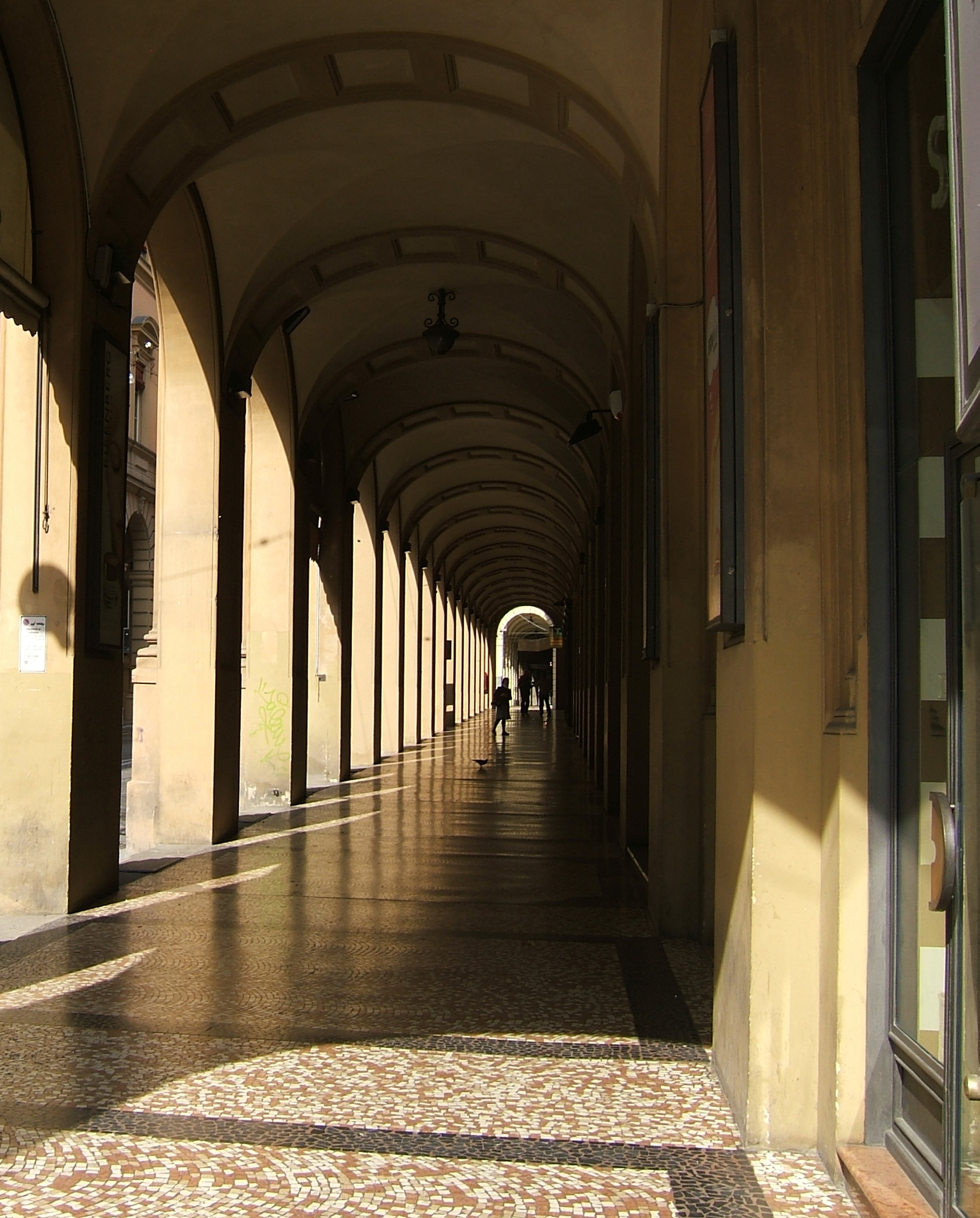
Porticoes of Bologna – symbol of a city

Bologna portico

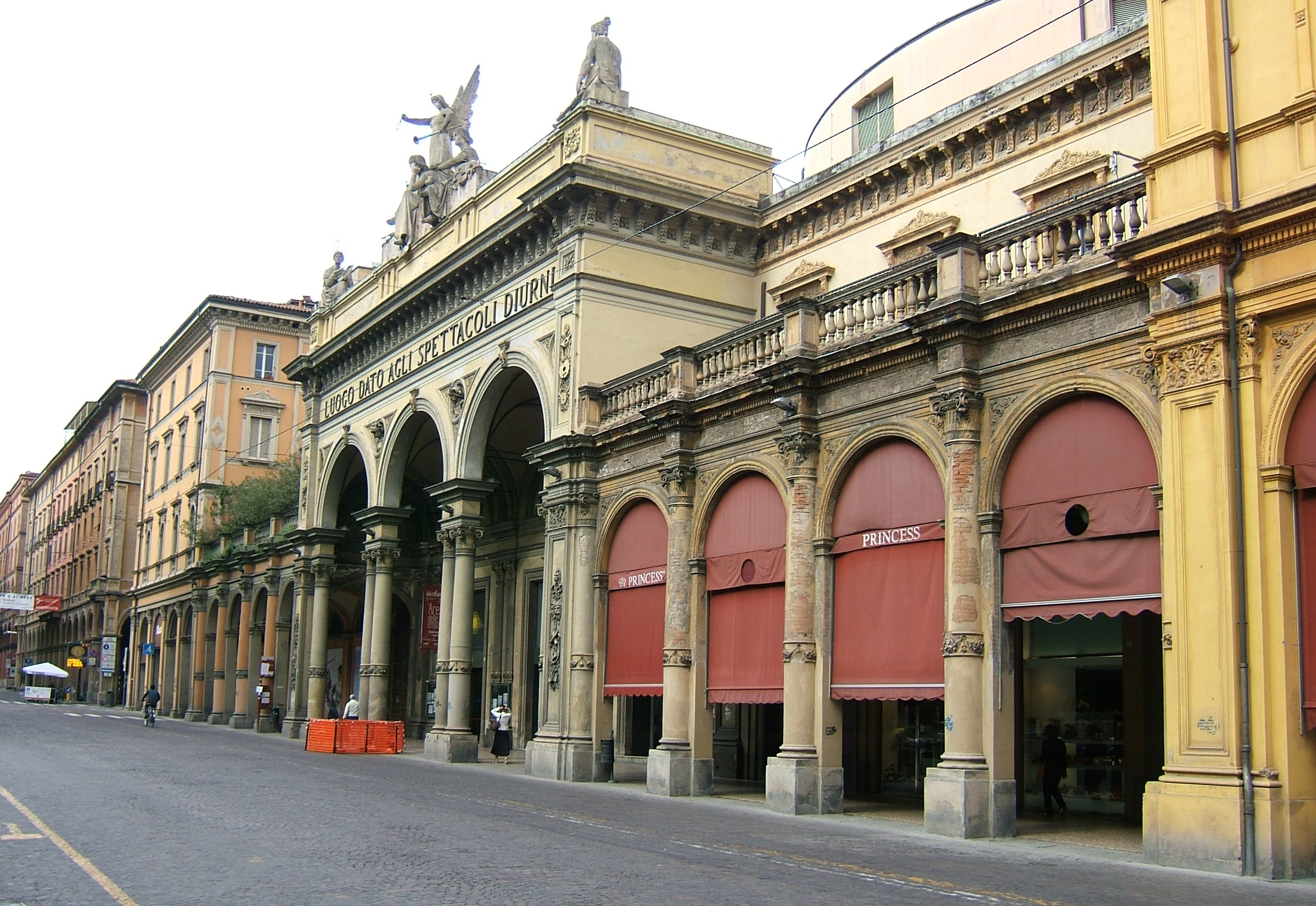
The city of Bologna has over 30km (20miles) of porticoes, the covered walkways in front of its shops and city buildings, perhaps the most distinctive feature of this former walled city which grew rich on trade routes of northern Italy. I had always heard of Bologna as an industrial town, giving it a somewhat dreary image that meant I had missed it for Rome, Venice and Florence.

But of course I have been distracted by guide book tourism. Outside its old centre Bologna is part of Italy’s industrial north and the roadsides have many factories and warehouses. But in a country like Italy, bursting with gems of antiquity and culture, it is easy to overlook places that in any other country would be star attractions. It was only after visiting the centre this weekend that I found so much more.  As a morning person I loved the tranquillity and the hazy sunshine as the city came to life. Bologna Portico

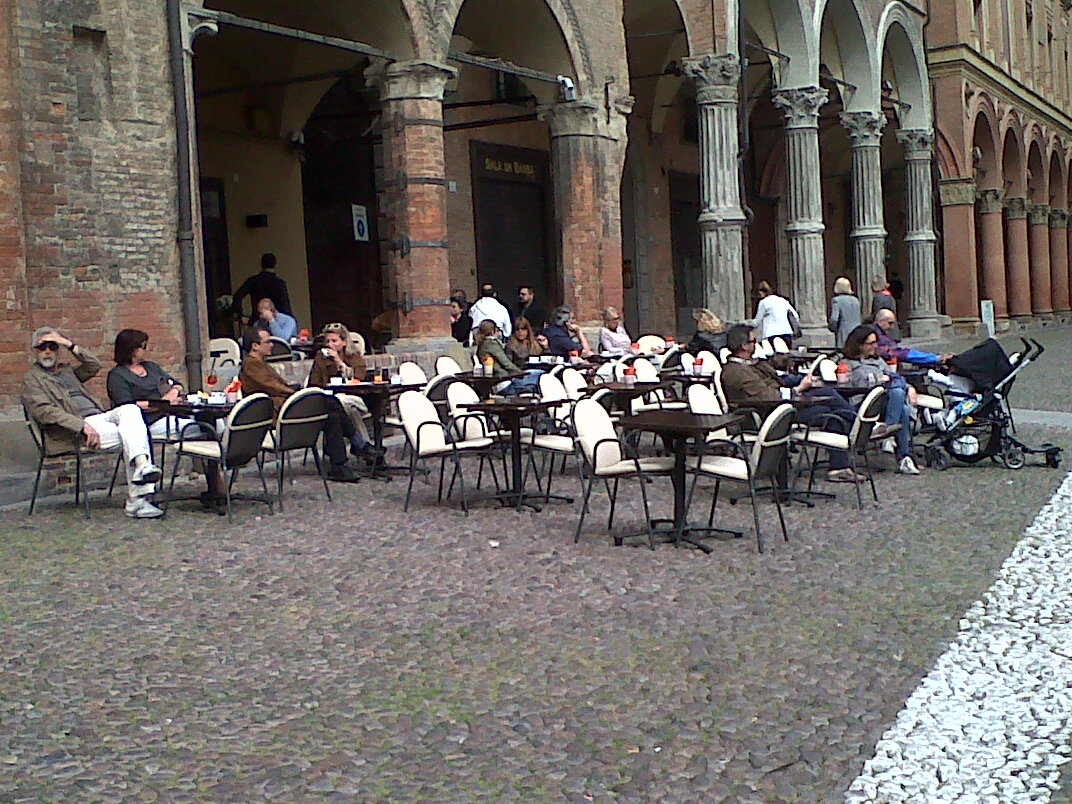
At the weekend Bologna’s mediaeval streets are closed to traffic and after slow relaxed early morning the city gradually starts to bustle and then bursts out into lively evenings as the student population of the oldest university in the world hits the streets. The porticoes themselves create an interplay of light and shade which lends itself to photography and the weekend scene is wonderfully undisturbed by engines.

My host was proud Bolognese Moreno who was determined not only to give me the tour but to represent the sights as a symbol of the city’s population – hard working and business-like, none of your fancy types of Florence or Milan here.

Bologna porticoes

He identified the porticoes as the symbol of this industrial culture. Today they are shopping heaven. Each portico has its own character, differing slightly in the height of the arches, the spacing of the columns of the colour of the plaster. But they provide the model for the shopping mall of the 20th Century – cool in the heat, dry in the rain or snow, cover for eating and drinking. Bologna Cafe and porticoes

Their origins actually are in sales, but the portico itself was the sales space, craftsmen acquiring a bit of the street to lay out their wares while the building behind was the workshop and store for each craft. Fed by the trade routes between the many cities there was an abundant supply of material which the craftsmen converted for sale. Each street has its own trade, from fishmongers to jewellers, bakers and woodworkers.

Bologna Sala Borsa - original stock exchange

Bologna Sala Borsa – original stock exchange

This trading pattern also brought us other features of modern commercial life. Bologna has one of the first stock exchanges in the world, financing the business ventures of the larger families and merchants, not to mention the towers they built to show off their power and status. And I learned the origin of two of the most feared phrases of commercial life – “bankrupt” or “broke”. When you defaulted on your debts in mediaeval Italy the bankers would come to the display in front of your workshop and break your shelves to stop you trading. The bank “ruptures” your shelves and you were indeed “broke”.

Bologna - Older portico in wood over traditional shop

Older portico in wood

The very oldest porticoes surviving today didn’t have the more modern columns, they have just timbers or arches supporting the lodgings above the store. You can see examples down some of the narrower side streets and over the older shops. But gradually the city insisted that property owners build and maintain the columned walkways which feature today. However to underline the workmanlike image which Bologna cultivates the columns here were built of brick, not the marble that adorns Rome and Florence.

Heavily damaged in the Second World War many have been restored.The more pretentious arcades are clearly prized by the most aspirational brands, but of course there are just a few that really feel like they shouldn’t be here.Bologna Disney PorticoGucci Bologna shopfront

OK call me a culture snob if you must, but it just isn’t right – is it?

After trade the other cultural icon of the Bolognese is food. The city has apparently been called la Grassa or “Fat one” and all food lovers know Bolognese sauce. But other pasta such as filled tortellini have equal billing here. Without understanding a word of the Italian it was enough to listen to Moreno and our waiter argue about whether it was ever acceptable to serve tortellini with sauce to know that this really matters in Bologna. Moreno lost the argument too, a rare occurrence.  The restaurant would clearly rather we left than defile the tortellini with sauce, but the broth in which they came was exquisite, a delicate clear consommé.

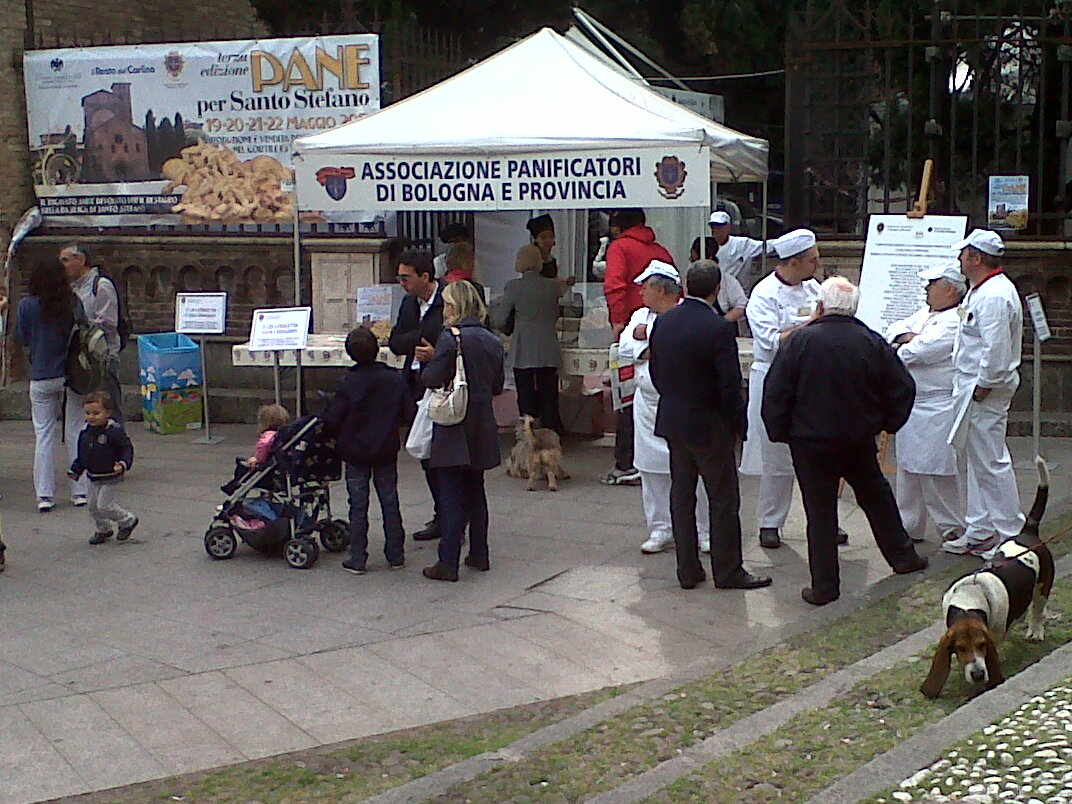
Bologna bakersBologna "Cross" LoafThese bakers making the craft breads in front of the old church on Sunday morning were representing the artisan bakers of the whole district with a constant bustle of locals buying by the bagful to go with Sunday lunch.

I could get very, very attached to a historic and attractive city that has thousands of bicycles, clears its streets for its people and places such value on community, work, food and education.  Bologna has clearly been hard-done-by in the competition for guide book reviews, it provided a thoroughly enjoyable weekend.

Earthquake in Bologna, 5.9 on the Richter scale…er, that would be here then!

4 am this morning I woke up to a weird experience.

It appeared that somehow in the night I had managed to turn on a vibro-massage feature in my hotel bed that I didn’t know I had. Given the running feature on this blog about dodgy hotels I was really willing to blame the fact I was in an overly pretentious design hotel that I got cheap for the weekend.

And it wasn’t the vino, I had a relatively early night in watching the football and sorting out photos for the blog.

It dawned on me somewhat slowly that this was possibly an earthquake, or just possibly something to follow the bomb in Brindisi yesterday.

I heard a bit of shouting in the corridor, and then I went back to sleep because it didn’t seem to come to much.

Bit of a shock to turn on the news and discover that the news is saying earthquake in Bologna, I was 20km from the epicentre of a 5.9 quake, 4 dead up in Ferrara where a factory collapsed and lots of old buildings damaged.

All seems extraordinarily matter of fact here in Bologna, I have wandered the streets of Bologna for a couple of hours, sipped an espresso in the square and the town is coming to life and filling the streets. No damage at all.

Very odd, it seems normal doesn’t come with this job.

Trust you are all well and having a boring Sunday!

Cafe in Bologna after earthquake

Just another Sunday in an earthquake zone?

Where else could I be?

Milan Cafe May 2012

9.am.

The cool people are gathered for an expresso. From old to young kisses and handshakes are exchanged. Anywhere else in the world this would be just a local, but here it has that extra touch of elegance, even down to the tablecloths.

And the expresso is outstanding.

Welcome to Milan.


Yippee – I’m off to Campagnolo

Bit quiet on the blog for the last week or so, lots brewing in the background.

And today it is is confirmed. On Monday I will be presenting in the Campagnolo presentation suite in Vicenza. The home of the finest brand of cycling componentry in history. The legend – uncountable numbers of Tour de France wins, Giro wins – just everything. Ridden by just about every cycling hero one can name.

Presenting or begging – not really sure, but I will be talking to Italian cycle industry head honchos about the need to spend money on cycling advocacy.

But inside stand by for slathering, drooling hero worship, bended knees at the alter of alloy. Got to keep it together Mayne.

OK so I will be meeting other bike companies and more from the trip to Italy will be posted, but for you bike fiends you know this is the one.


Madness Motel – the sequel

What is it with me and mad hotels this year?

Back in March In blogged about the wierd converted car park in Taipei – Madness Motel. Now thanks to Colm Ryder from Dublin Cycling Campaign sending me this photo I was reminded of the motel our Austria tour stayed at in Krems.

Cycle tour participants at the Motel in Krems

Motel - Krems AustriaThe idea must have seemed sensible to someone. The walkways outside the rooms look a bit unsafe, so we just add some industrial fencing.

I mean who says modern design is dead.

Strong suspicion that this might be related to the recent EU egg crisis – the banning of battery chicken farming may be the cause. Or is it to reassure cycle tourists about their bikes?

Back to the mud again

Back to the mud

Mountain biking as it should be

I really have become a bit of a sad old roadie – getting more like my Dad every week as I sat looking out the window waiting for the rain to stop. By Sunday I’d had enough and did what I should have done all week – went out on the mountain bike and got proper muddy.

Thoroughly enjoyable, had Swinley Forest almost to myself and blew away all the cobwebs in about three hours.

Got home to an email from the old man himself entitled “The deluge” moaning about not going out and I felt even better for having broken the genetic mould.

Thanks to former colleague Sara for suggesting a alternative : Scubster pedal powered submarine. I think I’ll keep to me mud for the moment – nearer to home!


Beryl Burton, Radcliffe and Maconie, Working Class Struggle in 30 minutes – Maxine Peake you are my new star

Do radio shows get any better than this?

Picture Link Silk (tv program) Wiki

I am quietly minding my own business listening to my favourite radio show on Friday. Radcliffe and Maconie on BBC Radio 6 Music has just my sort of music and chat together with some great guests. As I started listening I wasn’t really alert to Friday’s guest Maxine Peake, vaguely aware she’s an actress.

Charmed in 30 minutes by a really genuine character who was great fun. She already had me won over when she chose “Testimony of Patience Kershaw” by the Unthanks,  a amazing song about working class struggle which she felt summed up some of her views. (Performed on my Music to Ride Bikes By Page)

But then twenty minutes in she announced that she is writing a radio play about cycling legend Beryl Burton for BBC Radio 4 which will hopefully come out in September. Maxine enthused about the BB story based on her autobiography Personal Best – the working class woman from Morley who went on to become a world champion in an era of no support and sponsorship.Beryl Burton - Personal Best Cover

It made me pull “Personal Best” out of the bookcase and start reading as a great postscript to “Half man , half bike” last week, two extraordinary champions in a week. Beryl was a fixture of my formative cycling years, I remember my Mum racing against her, probably mid-late 60s. Everyone was just in awe of what she did but she was just so accessible to club cyclists as she rode the national time trialling scene.

Years later I have had the pleasure of riding with Beryl’s daughter and grandchildren at the CTC Birthday rides. We were up in Dumfries and I still recall Dave Bailey from Sheffield being in awe of the Burton aura, but they were just a nice family enjoying their touring.

Can’t wait for the radio play, I hope it comes off.

“So long, and thanks for all the fish”*

While I have been on holiday for the last couple of weeks I have been trying to summarise my thoughts about leaving CTC, and asking myself if it is fair to them (and me) to comment while looking back.

But then tonight I read a quote from Eddie Merckx in William Fotheringham’s new book “Half man, half bike” Half man, half bike book cover

 “When something is your passion and you can make it into your profession that is the most beautiful thing anyone can have”

So not only was he the greatest cyclist we have ever seen, this man of Belgium produced a quote that sums up far better than my mumblings what I tried to say to the Council, staff and members of CTC in various forums as I left.

When I was a kid I had Eddie Merckx posters on my wall alongside the 1970s stars of Ipswich Town FC, he was a godlike figure. And while it was quickly clear that this spindly asthmatic kid was never going to be a top bike racer I could dream a bit. And in 1998 CTC gave me that chance to be a professional cyclist in my own way, to have what Merckx calls the “most beautiful thing.”

So thank you to the Council members who took my breath away in 1997 when Tom Lamb phoned to offer me the job, and to everyone I worked with over the last 14 years. To my amazing staff team, I meant what I said at my leaving gig, never for one moment did I doubt that every one of you places the interest of cycling at the heart of what you do. Of all the bits of management training I have had over the years the bits on motivation theory were totally wasted on you all, it was stopping some of you working too hard that was a bigger problem.

And to the members and volunteers I mean what I said in the CTC magazine, it is your enthusiasm that makes all this possible.

Thanks. I look forward to working with you and for you in other ways, but few of us ever get to say that they truly got to do their dream job. Spot on Eddie.

*Douglas Adams “Hitchhikers Guide to the Galaxy” 1978 and subsequent books, films and plays. Another godlike genius.

So long, and thanks for the bike – see below

Oooooooooooohhhhhhhh – new bike!

New bikeEverything glistens. The handlebar tape is pristine, the tyres not even dusty.

Anticipation is everything. By virtue of this new steed I will gain wings, the wind is always behind me and the hills will become mere pimples. Put me up against the strongest of riders and I will bounce along beside them barely drawing breath. The bike will solve everything.

And where to go on a first date?  The local? Familiar roads, a chance to build a relationship without complications and distractions. Or somewhere exotic? Off on an expedition to really put it to the test.

But now frustration.  Rainy days and wet roads for several days. We cannot possibly go out until conditions are perfect, it would ruin the moment.

At last the day arrives. Seeking perfection we stop numerous times. Saddle up, saddle down. Tilt bars, saddle up, saddle down. At last this is it. Time to ride.

An hour and a half later I am content. Sadly I am still a fifty year old cyclist who needs to lose at least a couple of kgs and I am quite grateful that I haven’t fitted a computer yet because it might shatter my illusions of style, grace and speed. But I can remember that I was once that other cyclist, and I am inspired to become him again.

As you may have guessed I don’t often get a new bike – the last one was in 1999. The kind folks at CTC gave me this beauty as a leaving present, apparently to avid me further shaming the organisation by going on to a new job on my dodgy old work bike. Actually I do have nice bikes, but I wouldn’t share them with my working life of all-weather commuting, bikes left standing on the street, bounced on and off trains and generally abused.

So sorry folks – I love the bike, but I will fail your test. I like it so much I couldn’t possibly take it to work and the crusty work bike will make its debut in Brussels in the very near future.

However you have prompted me to start a new page on the blog. Bikes will give me a place to put occasional entries about equipment I have used – good and bad.

Multinational Cycle Tour from Vienna – Danube Cycleway and Franz Schubert Cycleway

Göttweig Abbey (Stift Göttweig) TerraceSitting on a sun soaked terrace overlooking the Danube Valley. Careful not to drink too much wine before a flying descent! The high spot of a two day, 18 person, multinational cycle tour to follow the ECF AGM . What a great mix – Bulgaria, Poland, Russia, Ireland, Spain, Cyprus, Netherlands, Austria, Portugal, USA, UK and Germany, all brought together by cycle advocacy.

Also see my gallery of houses and gardens from the ride here

Day 1. Vienna to Tulln an der Donau on the Danube Cycleway. 45km.

Leaving Vienna on the city cycle network and then joining the side of the Danube Canal until it joins the main river about 7km out of the city.

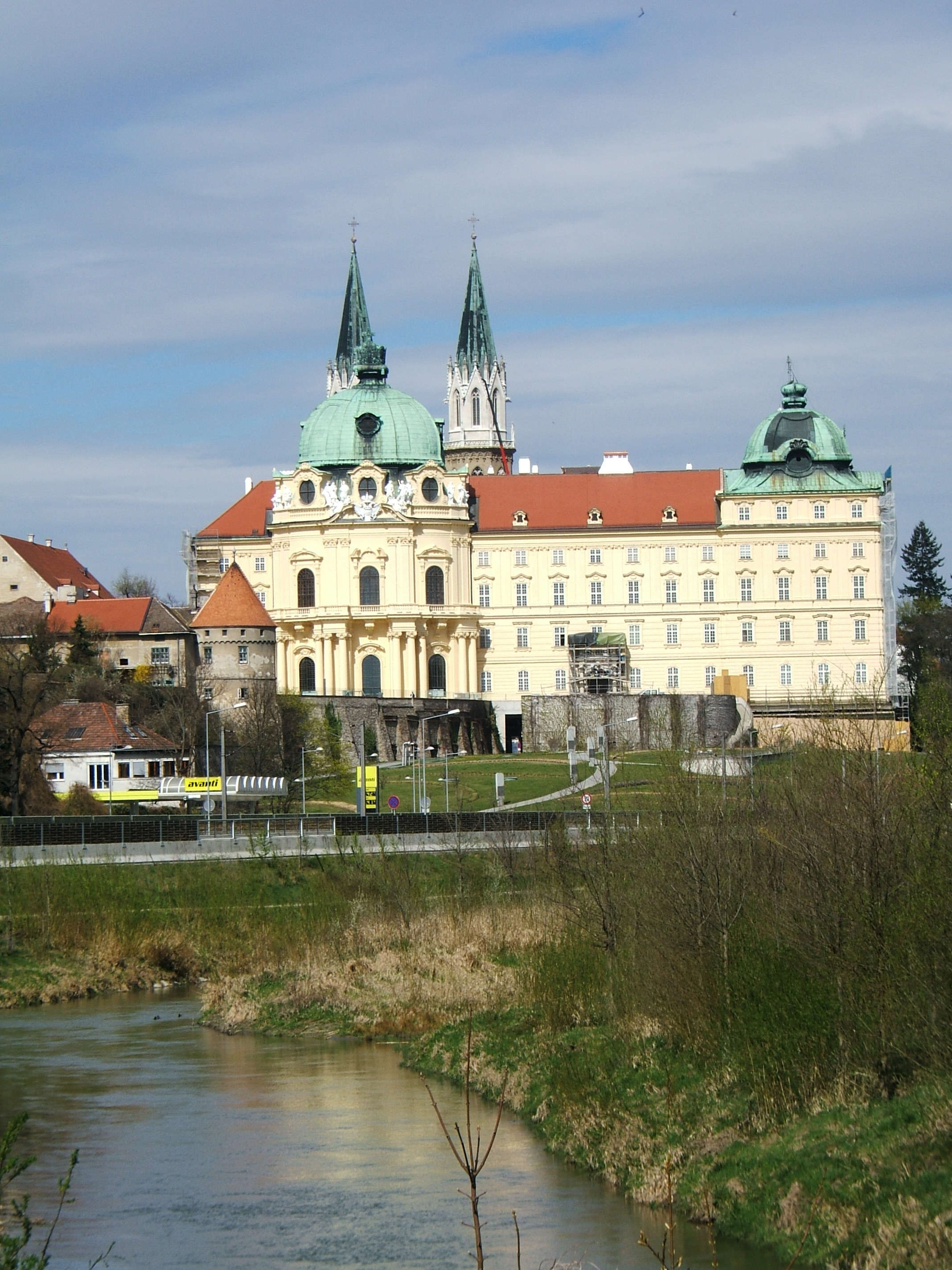
Klosterneuberg

Klosterneuberg

Then a mixture of paths by the river and minor roads until suddenly we turn a nondescript corner and the striking Klosterneuburg appears in front of us. A leisurely lunch in the café and a wander through the artworks in the gallery.

Back onto the minor roads and a wind through the summer houses which appear all the way along the river. These range from wooden shacks to large houses but almost all are in great condition and show a real affection by the owners for these properties.

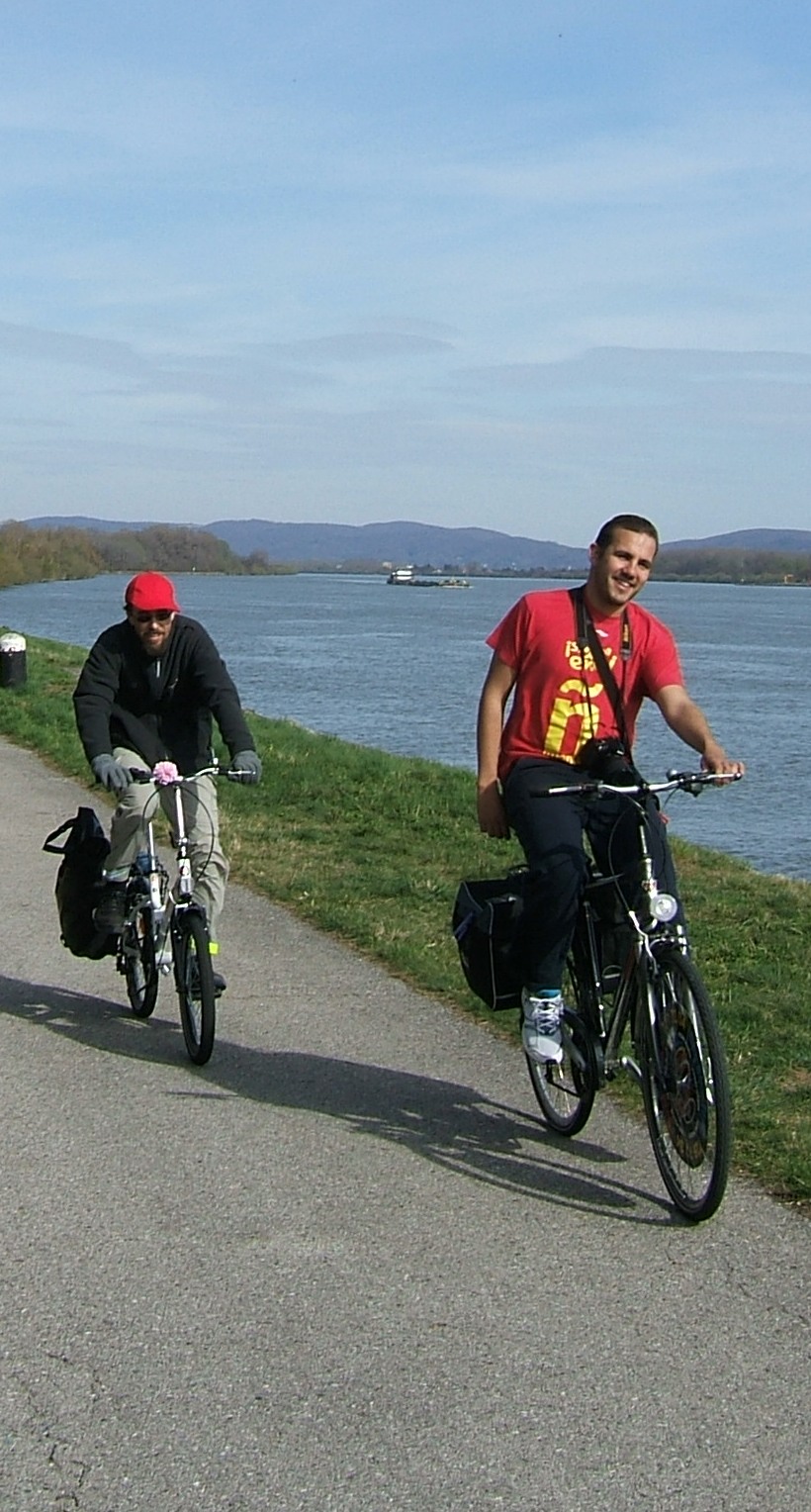
Danube Radweg

Danube Radweg

Then emerging onto the banks of the river again for a push on to Tulln. This was actually quite hard for the members of our group who are not regular tourists. A bit tired and we had moved to the north bank which exposes us to the full breeze from the east.It just proved the point that wind is a far greater enemy of the cyclist than hills.This stretch of the river was actually a bit of a disappointment, it really does look like an enormous canal but it is a really easy ride. It is also clearly popular with local riders who seem to really enjoy heading out down one side of the river and returning on the other.

It was also good social cycling territory for us because we could ride socially after being hassled by drivers a number of times.

However the light was stunning and it brought out smiles on all the faces, especially as we swung over the last bridge to Tulln.

Tulln an der Donau Marcus Aurelius

Tulln an der Donau Marcus Aurelius

Boldly looking out over the river is Marcus Aurelius – provincial governor who protected the Danube frontier against the Barbarians before later becoming Roman Emperor.

Day 2. Tulln to Krems. Mostly the Franz Schubert cycleway – 55km

Named after the area where trendy citizens of Vienna would come for summer break in the early 19th century including the fashionable young Schubert.

Particularly famous for its wines, the Lower Austrian wine route celebrates hundreds of years of winemaking on the fertile flood plains that border the Danube.

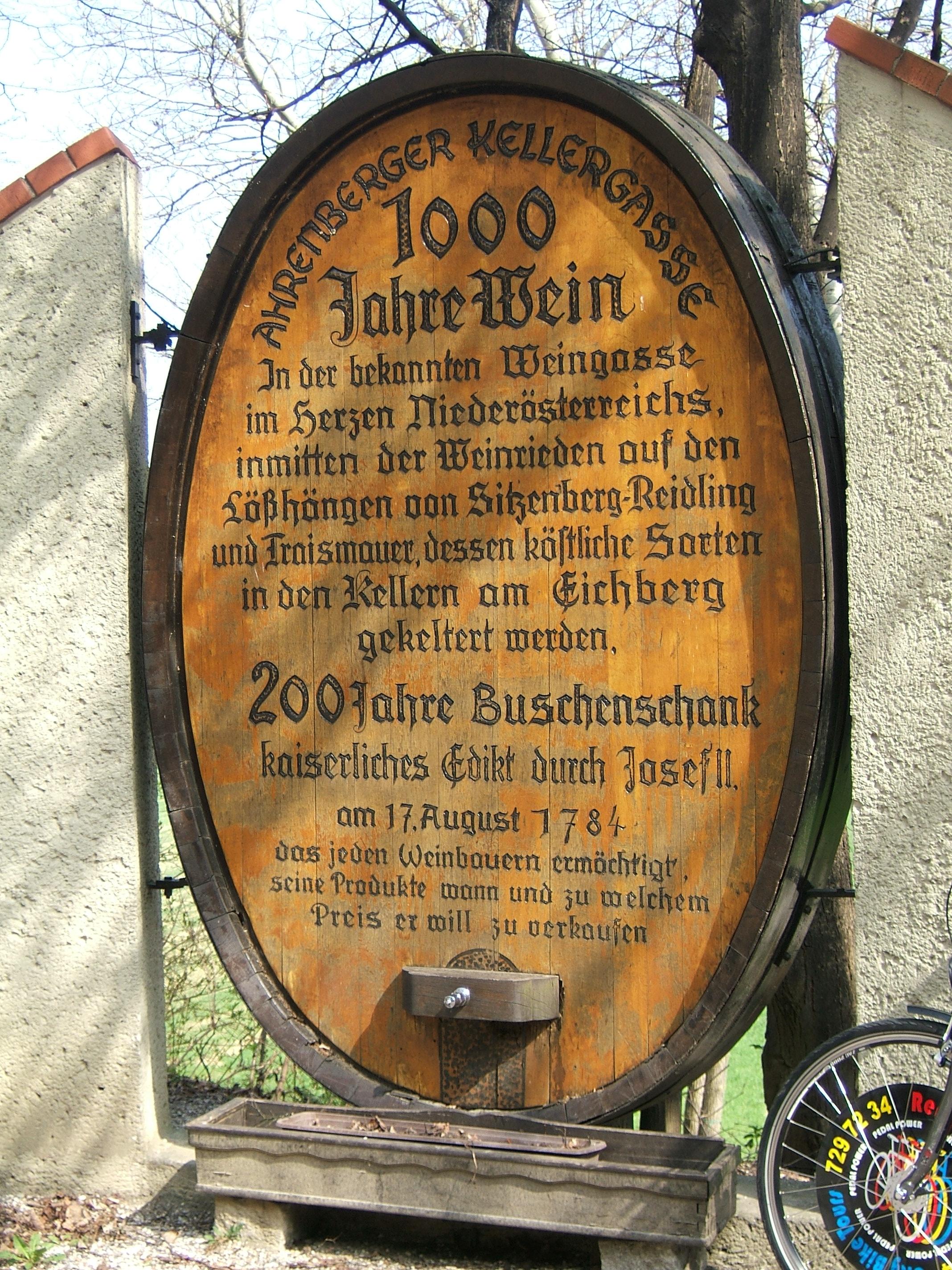
Celebrating 700 years of winemaking

Celebrating 700 years of winemaking

This route started pancake flat, sticking to the floodplane of the Danube despite swinging south of the river for a more scenic route. It was lovely.  Spring was everywhere and the stunning light brought out the colours in the architecture, the gardens and the villages.Blot on the landscape was the big ugly scar of the new high speed rail line connecting Vienna to Germany. Time for a few photos to send off to the anti-HST campaigners in the Chilterns.

But the stars of the first part of the ride were the little wine shops set into the bluffs at the edge of the floodplain. These have existed for hundreds of years, behind each house is a deep cellar running into the hillside. For two hundred years they have had a unique licence granted by the Hapsburg dukes. This allows each vintner to open for just six weeks a year and sell an agreed amount of wine. By arrangement the farmers have set up a roster which means that they don’t all take the same weeks.

Schubert Radweg gets hilly

Schubert Radweg gets hilly

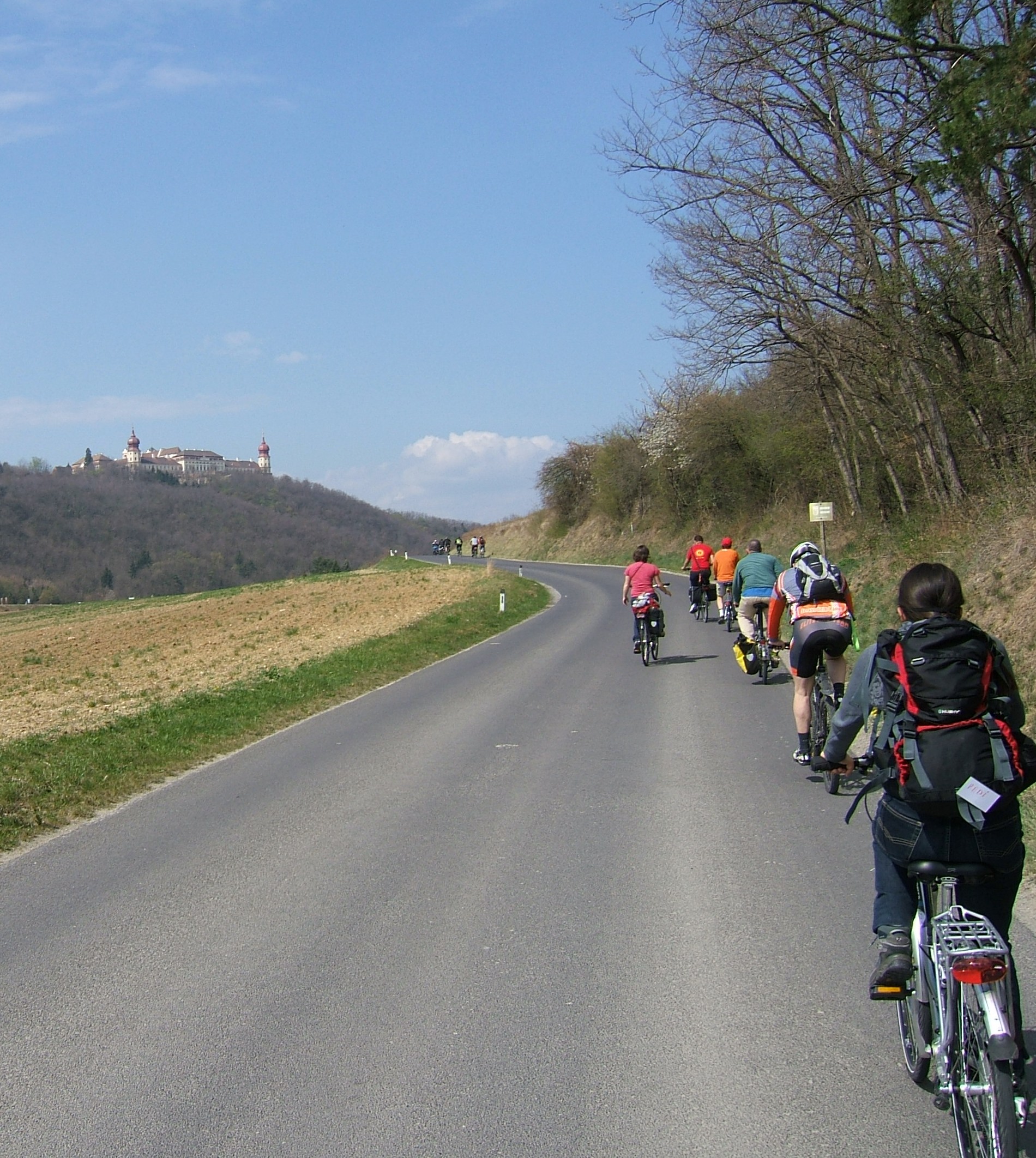
After we end the wine route we cross a tributary of the Danube at Traismaur and set ourselves up for the final 20km which are very different – two substantial climbs, the only ones of the ride. But it’s well worth it for me because we get up to some stunning views over the Danube. Our group of commuter cyclists and campaigners did rather find it hard going, lots of walking for this last leg. But hats off to Yurgos from Cyprus – rode everything on his Brompton with great style.

Approaching Gottweig Abbey from below

We have to climg that?!

We are headed for Göttweig Abbey (Stift Göttweig) which is a Benedictine monastery set in a most amazing position on a hill above the town of Krems. The monastery was the dominant economic force in the region for hundreds of years owning the land, the farms and of course all the rights to the surrounding vineyards.

Now that produce can be celebrated in the restaurant which must have one of the best views in Austria, especially on a spring day. Having a hard hot ride to the top justified a couple of courses and a half bottle of the fruity white from the surrounding hills.

Gottweig Abbey descent

Gottweig Abbey descent

White knuckle descent but well worth it. Thanks to Wilhelm of Elite Tours for the entertaining leadership and efficient organisation.