Day out in blossom country – Belgium’s beautiful Haspengouw

Gallery

This gallery contains 6 photos.

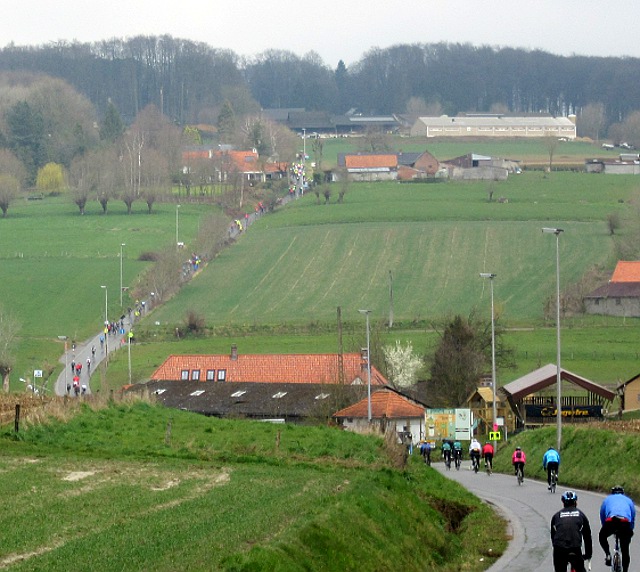
I fulfilled a small Belgian ambition yesterday. Ever since I went cycling in Limburg last summer and discovered the beautiful region of the Haspengouw I have been looking forward to going back in spring to see the blossom season. We … Continue reading

Reflections on the Tour of Flanders Cyclo 2015 – the cycle challenge for everyone

Gallery

This gallery contains 20 photos.

It is hard to believe nearly two weeks have gone by since the Tour of Flanders Cyclo and I have only just found the time and energy to sort my photographs and put together a few reflections. It was a … Continue reading

Gallery Ronde Van Vlaanderen Cyclo/ Tour of Flanders Sportif

Gallery

This gallery contains 21 photos.

I have just received my links to the official photography provided by the organisers of the Tour of Flanders Cyclo on Saturday. As well as individual rider photos they also throw in a nice collection of atmosphere shots which show … Continue reading

I am having a MAMIL moment. Apologies, normal service will be resumed shortly.

Photo by Kevin Mayne

My aim with this blog is to keep a balance. A wide variety of cycling content mixed in with some travel, food and Belgian life.

On the cycling side it means that I try to balance my personal love of for sporty riding like great races and mountain biking with rides for everyone in amazing locations and great company.

However regular readers may have noticed a trend creeping in over the past few months. Since December I have been doing a lot of long hard rides. Thankfully you have all been very appreciative of the long touring days, the hard cross country and recently the excursion to Taiwan’s mountains.

Photo by Kevin Mayne

I am having a MAMIL moment. I am a Middle Aged Man in Lycra, racing around the countryside in search of cycling achievement.

Here is my confession.

I ended last summer feeling good about my riding and I was determined to keep it up over the winter for the first time since moving to Belgium.  The idea became firmer when I found our club’s previously secret winter riding gang that would get me out on Sunday mornings, just like back in the UK.

However that innocent aim got hi-jacked by a moment of MAMIL madness. I was clicking around the web one evening when I found the site for the Tour of Flanders challenge ride on the Saturday before the legendary classic. The race I have been visiting since I got here, only growing in my estimation now I live in Belgium.

Centrum Ronde van Vlaanderen

Click, enter your details. 130 kilometres, all the famous climbs, I can do that, click. Enter credit card, click. (I would like to blame mixing Belgian beer with a double espresso, or similar over-stimulation, but I suspect I just had a moment.) And with that I went off to bed dreaming of becoming a Flandrian.

Centrum Ronde Van Vlaanderen

A couple of days later I made my true confession. “Well I may have just sort of….” and “I was just thinking maybe I could ride an event Easter weekend.” “The Tour of Flanders Cyclo….”

Once again Mrs Idonotdespair showed the insight into my behaviour that kept our marriage happy for twenty five years. She cut straight through my woffle, gave me a withering look and said “Oh no, you are going to start training aren’t you?”

I promised that it wasn’t the case. No obsessive behaviour. No doubling the food bill. No sneaky rides at inappropriate moments. Because I had no doubt I would not be training for this ride. I would try to “get fit”, but in my head that is a process of just a few longer fun rides on top of my usual schedule.

Training is what you do when you become slave to an objective. Faster, higher, stronger. To beat a time or a rival. No I am not going to be training, I am just going for a long ride.

Reality bites.

About a week after I signed up for the Tour of Flanders ride I began my schedule by setting set out for a thrash up a few hills on Saturday morning. This did not go well at all and I promptly came down with flu and then a chest infection which lasted almost through to Christmas. Best winter in years? No chance.

So I did the only realistic thing in the circumstances. I panicked.

Well almost. I had 13 weeks to create the man in my head who was bouncing up steep cobbled hills with enthusiasm and energy, not somebody crawling to the line in pain and suffering. Yes the Tour of Flanders classic allows for fun riders who can take up to 12 hours to do just 70km, something I can handle even when totally unfit. But that’s not the point for me, I want it to feel sporty, I want to be able to follow bunches of other riders, I want to be able to look at it on the TV the next day when the pros ride and I want to be able to say “I did that”.

Photo by Kevin Mayne

It has however been really hard, especially in my head. It is five years since I last got myself anywhere near this level of fitness, in fact probably nearer ten. The body forgets. I have ached, I have groaned, I have been wet and cold rather more times than I wanted. I was much more tired than I had expected as I stepped up the riding/training.

Riding with the club’s winter group I found myself struggling unexpectedly to keep up. People I rode with all last year were dropping me on Sundays. I blamed my old winter bikes and the fact that I was riding 3 or 4 days in the week to so I was more tired than them, but if you had asked me at the end of February “How’s it going?” I really was not happy. And perhaps that’s my main point, the stress of the target took a lot of the shine off the riding, it was something I “had to do”, not “wanted to do”.

I think I might have been training. Oh dear!

Rewards.

March arrived.

The mornings offered a hint of spring.

I extracted my best bike from its winter hibernation and enjoyed the swish of lightweight tyres on dry roads.

My strategy for surviving the annual diet of jetlag, late dinners and over-consumption at the Taipei Cycle Show paid off brilliantly with the two extra days for cycling acting as a wonderful final warm weather training camp.

Photo by Kevin Mayne

And then I went out on a Sunday and whizzed round with our fast group, something I could not possibly have done a year ago. And as I started enjoying myself the aches and pains eased away. I am about 4kg lighter than I was in October and a hell of a lot fitter, I really can enjoy this.

Maybe, just maybe I am ready for my MAMIL moment on Saturday.

Lessons learned.

I have no enthusiasm whatsoever to turn training for cycling into a way of life again. I intend to keep my rides nicely balanced with a return to regular city and gentle touring rides.

Photo by Andrzej Felczak

All credit to the veteran racers and born again MAMILs that bring so much energy and passion to their cycling. Yes I am going to try and keep fairly fit. I can see some great rides coming up over the rest of the year and as I am in Belgium I will stretch out for some more links to the classics.

But I am going to keep it fun. If the wind is howling and the rain coming down horizontally like it was this morning, I will roll over, take an extra hour and go for the train later.

Probably.

A day at the Ghent 6 day cycle race – cycling as pure entertainment

Photo Kevin Mayne

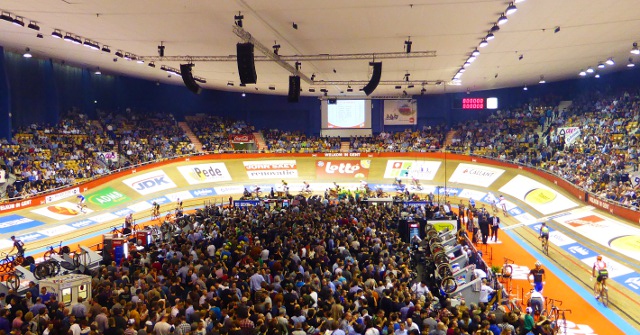
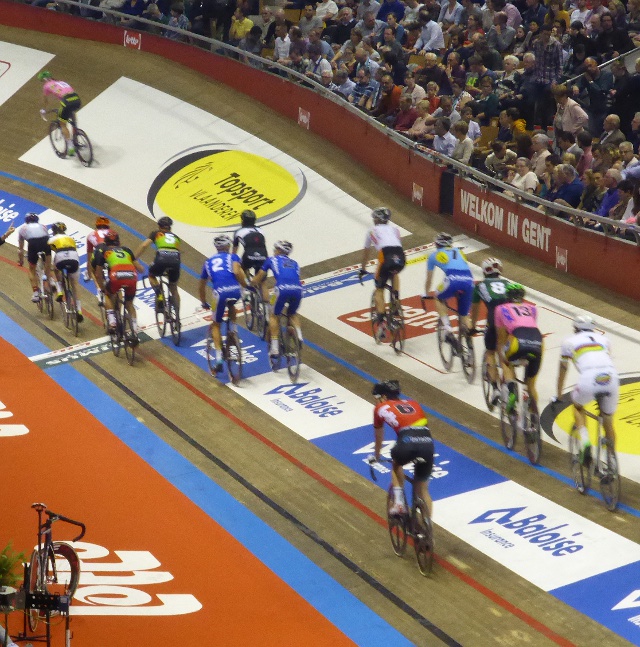
I have completed my hat-trick of watching Flemish cycling. First the cobbled classic one day races. Then the muddy delights of winter cyclocross. Now I have completed a long held ambition to go to the Ghent 6 day cycle race, possibly the most celebrated track race in the world.

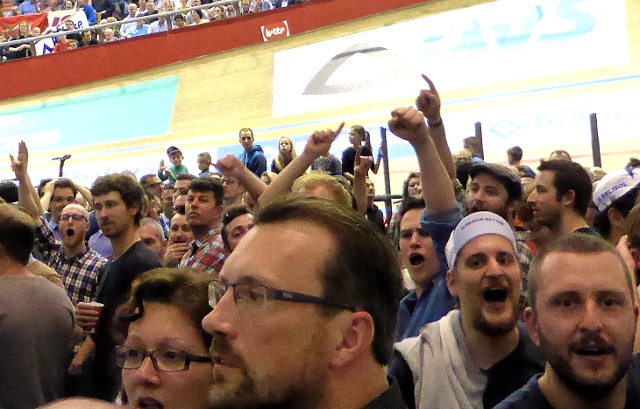
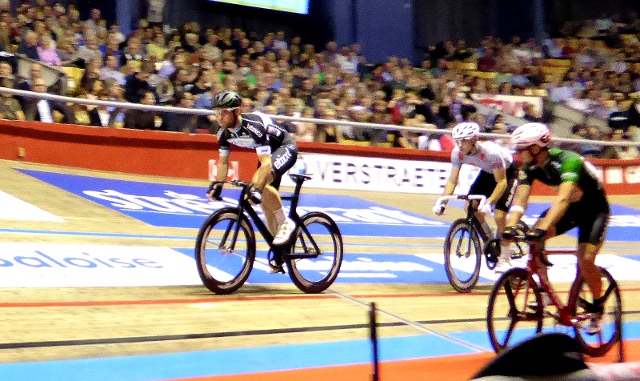
Modern 6 day racing is six hours of cycle racing per day on an indoor banked velodrome where teams of two riders compete to cover the most distance in a series of team races and other events. In between the elite races there is an undercard of promising under 23 riders and top women track riders, each with their own series. It is a spectacle that combines fast and furious bike racing with a touch of professional wrestling. Music, lights, colourful costumes, man to man combat, speed and risk. In short, cycle racing as a variety act, but with real speed and strength too. Not surprising that it is loved by the Flemish, cycling’s most passionate fans.

Photo Kevin Mayne Photo Kevin Mayne

British fans have been starved of a home 6 day cycle race since 1980 so a weekend in Ghent has become a favourite weekend break for many club riders over the last 30 years, although as Ghent has been the spiritual home of British and Irish riders breaking into the continental scene since the 1950s there has been a British cycling presence at the racing for many years longer.

Today this is a European spectacle that provides winter entertainment for cycling fans in traditional cycle racing countries but its origins are largely American. A few individual six day challenge races took place in the 1870s in Britain.  But the breakthrough was in 1891 when six day races were started in Madison Square Gardens in New York and became a big money spectacle that stayed popular right through to the Second World War. These also started as individual challenges with riders competing round the clock for six days, reducing them to shells by the final days. They would stop and sleep as little as they could to maximise distance, but apparently it wasn’t much of a spectacle towards the end. Organisers then realised that two man teams would enable the riders to be competitive for a whole week and the six day format was adopted to avoid racing in Sundays.

Within this format the unique spectacle of tag racing with both team members on the track at the same time was devised. While one races the second rests for a few moments, then when they catch each other the speeding rider transfers his momentum to his team-mate by means of the handsling, one of the most distinctive manoeuvres in cycling. It is made all the more amazing because the riders do it with up to 30 riders on the track, at 70kmph with riders going in all directions. It is difficult to describe in writing, trying to portray a manoeuvre like a bunch sprint in a road race, but just as half the field is going forwards at full speed the other half are slamming on the brakes – and they almost never crash.

Photo Kevin Mayne

This racing format has been known in English as the Madison ever since, or the American in French.

The format with racing round the clock continued until the seventies with riders getting up to all sorts of antics while the crowds were not watching. It is sure that this was also a hot-bed of drug assisted riding because the riders were expected to perform to demand no matter how they felt.

In the late sixties a rebellious organiser called Ron Webb started running the London Six Day race on a new format with just afternoon and evening racing in an entertaining format. The other organisers said it wasn’t a proper six day race but the formula was popular with riders and the public so it stuck and today the few remaining “sixes” all use the same format.

And that’s what I wanted to introduce my son to, just as my dad took me down to the London sixes in the 1970s. We decided to take in the final day of the six and the special atmosphere of the track centre where the racing swirls around a boisterous crowd who were hitting the bars with enthusiasm.

Photo Kevin Mayne

It is an intimate scene, the crowd and the bars are pressed right up against the riders and support staff. The elite riders get tiny cabins to hide in, but the staff, women and under 23s are forced to do everything in public.

Photo Kevin Mayne

Photo Kevin Mayne

Photo Kevin Mayne

As Brits we were especially spoiled because not only were we there to take in the atmosphere this year we had some British talent to support. Early in the evening we saw young riders Matthew Gibson and Christopher Lawless won the Under 23 continuing a tradition that includes a certain Bradley Wiggins.

Photo Kevin Mayne

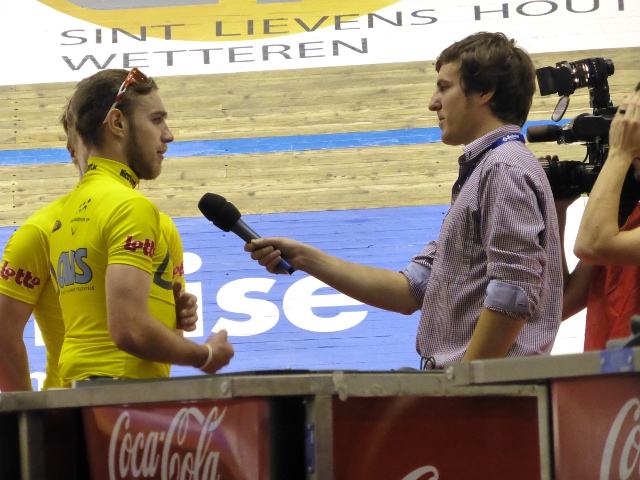
But the star turn for me was Mark Cavendish. He is super popular in Belgium, not just because he rides for Belgian team Omega Pharma Quickstep but also because he respects the traditions of the sport and rides in a way the Flandrians can respect. Photo Kevin MayneHaving an elite road rider of his reputation riding their six day was a huge coup for the organisers, a throwback to the sixties when riders like Eddie Merckx mixed it with the track specialists. Cav was paired with his Flemish team-mate Iljo Keisse, hugely popular himself with the Ghent crowd for his five previous wins in the event.

Great news for us was that as we came into the final day four teams were still in contention including Cavendish and Keisse, but they were up against wily local experts Kenny de Ketele and Jasper de Buyst. De Ketele and De Buyst had a strong lead in the points competition, scores picked up throughout the week in the supporting competitions. That meant Cavendish and Keisse could only win overall if they finished a lap ahead of their rivals, a result that could only be achieved by lapping the whole field more times than their opponents during the Madison races.

Photo Kevin Mayne

So the scene was set, and the racing was brilliant. All four leading teams went at it hammer and tongs in the two madisons of the evening, reducing the other seven teams to supporting roles. We stood in the middle as they swirled around us in dizzying flashes of lycra and chrome, trying to keep track on move and counter move.

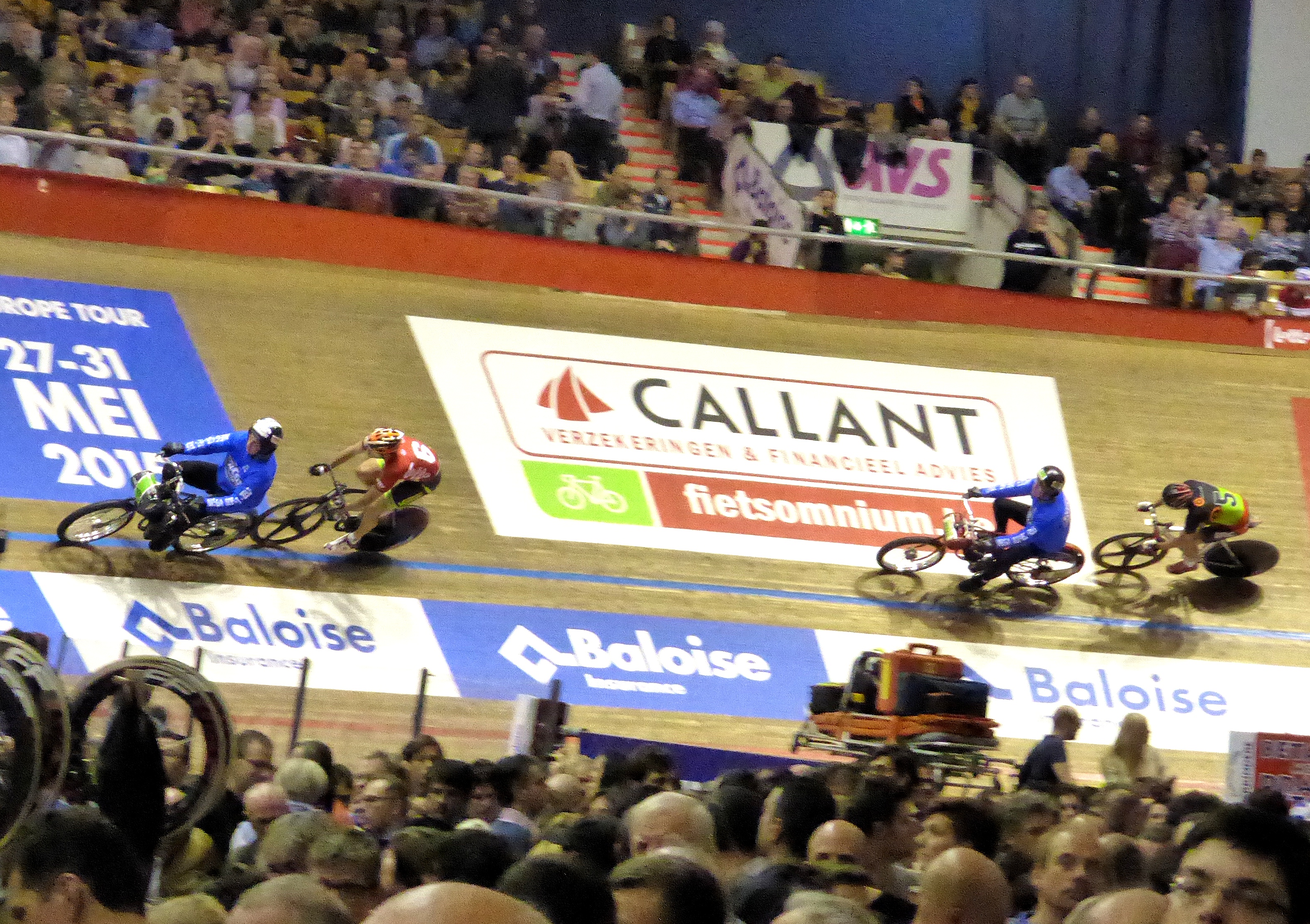
When they were not doing the madisons they were battling it out in the other staples of six day racing, formats designed to entertain. Sprint races were accompanied by rock music countdowns that saw the teams race off against the clock for the fastest times. Only six teams at a time were allowed up on the track for the legendary denys, racing behind motorcycles, a scene that needed no musical accompaniment because the motors roar to a crescendo when the final laps hit full speed.

Photo Kevin Mayne Photo Kevin Mayne

My personal track favourite has always been the elimination race. But who gave it the boring name? When I started going to grass track races as a kid it was always the “Devil”, or officially “Devil take the hindmost”. Who couldn’t love a race with such a great name, each lap the last rider across the line is eliminated until just two are left rolling. It was always a crowd pleaser, especially if at last one of the riders decides to play the crowd pleasing role of hanging around the back and sneaking up on the rest just as they cross the line.

In the end Cavendish and Keisse battled almost to a standstill taking lap after lap but at the very end they were marked out by De Ketele and De Buyst who sneaked away for the win by the narrowest of margins.

Photo Kevin Mayne Photo Kevin Mayne

What a great day’s entertainment, we thoroughly enjoyed it from start to end. Flemish cycling delivered once again, there really cannot be a better a better place to be a bike fan.

A visit to the War Memorials of Ypres and Tyne Cot – places of remembrance and reflection.

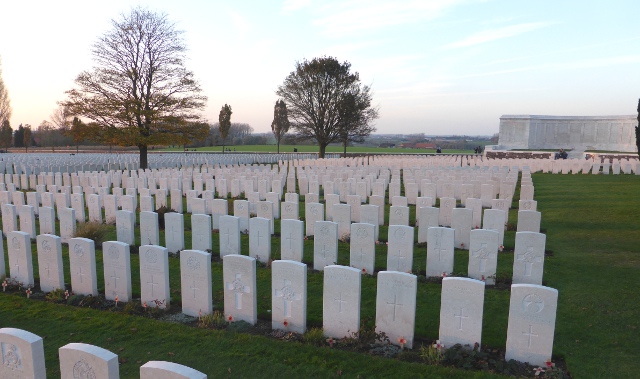
Tyne Cot Graveyard Flanders

Prompted by the arrival of Armistice Day in this 100th year since the start of World War 1 we visited the Flemish town of Ypres (Ieper), at the heart of commemoration of the war for many British and Commonwealth countries because of its position close to some of the bloodiest battles of that war.

This blog post has emerged in two parts. There is the tourist report of Ypres itself and one of the Commonwealth war cemeteries as part of my “Life in Belgium” series.

But this was a very moving experience and I was reflecting on why in particular this has such a different effect on us compared to other military history we see all over Europe, whether it be castles or ramparts or the Waterloo Battlefield close to where we live.

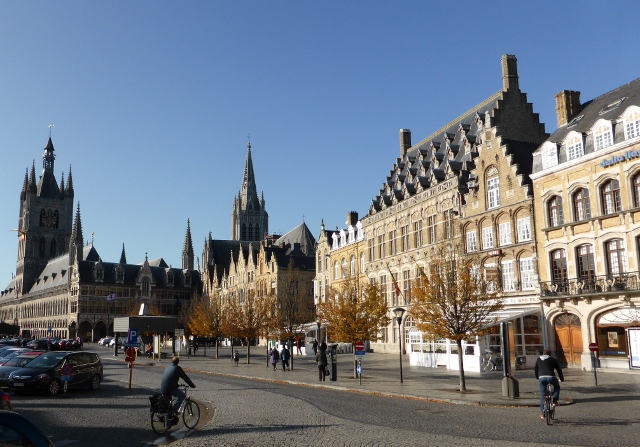
Ypres unveils itself slowly. Coming in to town it is a typical Flanders market town with its solid brick houses set into gently rolling West Flanders farm landscapes. It has the expected grand square with a gothic looking town hall and church spires.

Photo Kevin Mayne Photo Kevin Mayne

There were many groups over from the UK and other countries but the town was not too busy on a chilly November morning.

However a visit to the “In Flanders’ Fields” museum in the town hall brings the whole scene into a sudden sharp perspective.  In the museum are the photographs of the town as it was in 1918 after it was the centre of no less than five major offensives of the First War. This left it ruined and deserted by civilians. Everything we could see on the streets around us has been reconstructed since then.

Copyright free from National archives

Winston Churchill, then Britain’s First Lord of the Admiralty, suggested at the end of the war that the whole town of Ypres should be left as a permanent memorial to the dead. But in a triumph of human resilience the residents of the town started moving back to their homes and farms the first winter after the end of the war and started rebuilding which meant that Winnie’s idea had to be scaled back to a memorial and the town’s major buildings were rebuilt to match their heritage.

Photo Kevin Mayne

There were great views from the bell tower of the town hall which showed the layout of the town’s old street pattern and way out across the Flemish countryside. Old juxtaposed with new in the form of windmills out in the industrial areas.

Photo Kevin Mayne

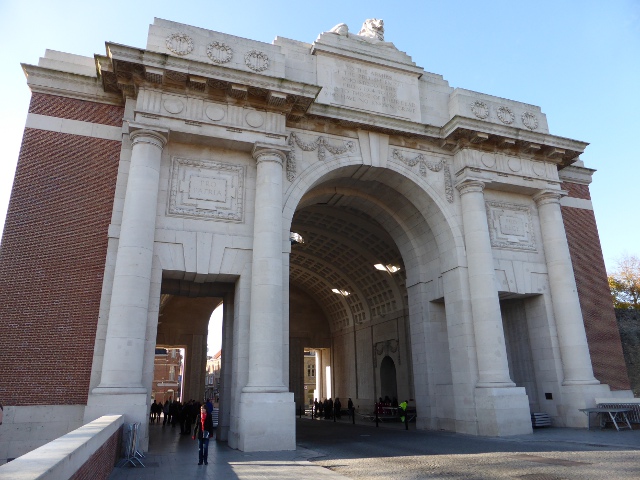
From this high vantage point there is also a clear view of the main centre of memorial for the city, the Menin Gate. The town had historic outer walls and the gate towards the Menin Road was where many troops left the town to travel to the front. So it was chosen as the site for the main memorial after the war. From a distance it is a relatively flat, plain structure built into the restored ramparts.

Photo Kevin Mayne

Photo Kevin Mayne

Only when passing under the arch into the main hall does the impact of the arch take shape.Photo Kevin Mayne

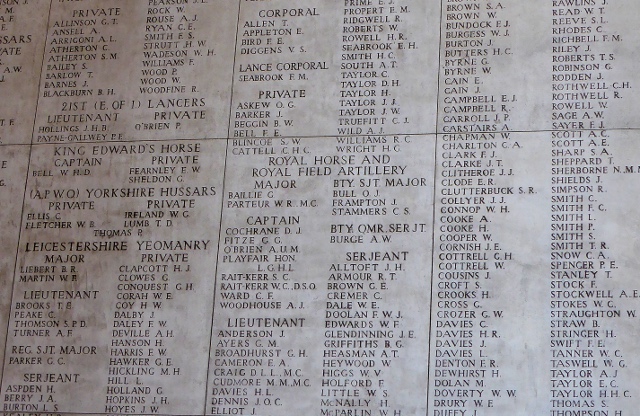
On it are carved the names of nearly 55,000 men whose bodies were never found.

Photo Kevin Mayne

The impression of the main hall was impactful enough but then we realised the names carry on through side arches and up onto a second set of balconies that run around the outside of the arch. Photo Kevin Mayne

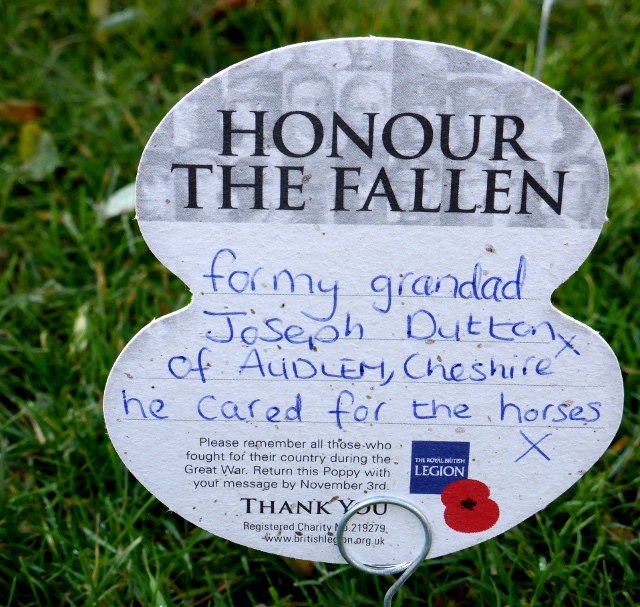
Then up on the ramparts there was a field of memorial poppies which had been left by visitors. Written on each was a personal message, many of them to lost relatives.

Photo Kevin Mayne


Photo Kevin Mayne

By the time we got to that point we were feeling overwhelmed and extremely subdued. For me I think it was the way the names were listed regiment and country. This means you can really see just how many men were missing from one area. For me it was the Norfolk and Suffolk regiments that I looked for but it could equally have been Surrey, Lancashire, Yorkshire, Australian states or Canadian provinces.

Photo Kevin Mayne

From Ypres we decided to head outside the town to visit the largest of the actual war graves in the area at Tyne Cot, a low hill about 10km from Ypres, close to one of the other most evocative names of the period – Passendale.

Photo Kevin Mayne

Tyne Cot is the largest Commonwealth war grave and is particularly significant for Australians and New Zealanders. The cemetery was originally created for a few hundred graves in an area captured by Australian and New Zealand troops in 1917. After Armistice in 1918 many other graves were consolidated there, with nearly 12,000 now on the site. Of these almost two thirds are unknown, identified only by their country and the words “Known unto God”.

Photo Kevin Mayne

As if that were not enough Tyne Cot is the memorial for the missing names that could not be incorporated in the Menin Gate memorial due to lack of space and because the New Zealand memorial is here. From the cutoff date of 15th August 2017 at Menin Gate to Armistice Day a further 34,000 men died without their bodies being found, an incredible number.

Photo Kevin Mayne

We were there in the late afternoon as the sun began to set over this most poignant of locations bringing a sharp highlight to the shapes of the graves. The spires of Ypres were just visible on the horizon.

Photo Kevin Mayne

We drifted home in quiet reflection. But in the following days I was still mulling over what we had seen. As I said at the start of the blog nobody with an interest in European history can miss the military history that surrounds us. Belgium is a really special case, the anniversaries of WW1 and the Battle of Waterloo made it one of Lonely Planet’s best in Travel 2014.

But within this setting the First World War memorials and commemorations just seem to be different. It seems that the huge loss of life in the fixed trenches with only small gains on either side somehow established the “the pointlessness of war” as a concept, especially as this war could be attributed by many to an imperial game rather than a war of liberty or values. The emergence of the War Poets and other writers who were not afraid to tell the story of the horrors tells us that values were changing.

And from these different attitudes to war came a different attitude to the dead, lost because of the failings of the leaders and the murderous nature of the new weapons of 20th Century warfare. In individual 19th century battles the numbers of dead were enormous – 65,000 killed in one day at Waterloo alone. But after WW1 we put up war memorials in every town naming the men who died individually and at Ypres there are no statues of generals, the memorials carry the names of every man, there is a grave for every un-named soldier. And like the war memorials at home they have a location through their regiments which in those days were locally based.

I didn’t have any relatives that I know of in the First World War dead, our histories haven’t turned up the family stories that we saw on the poppies in Ypres. So which entries at the Menin Gate left me blinking back tears?

Photo Kevin Mayne Photo Kevin Mayne

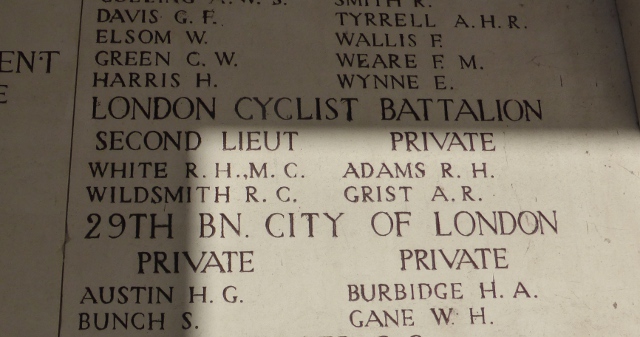
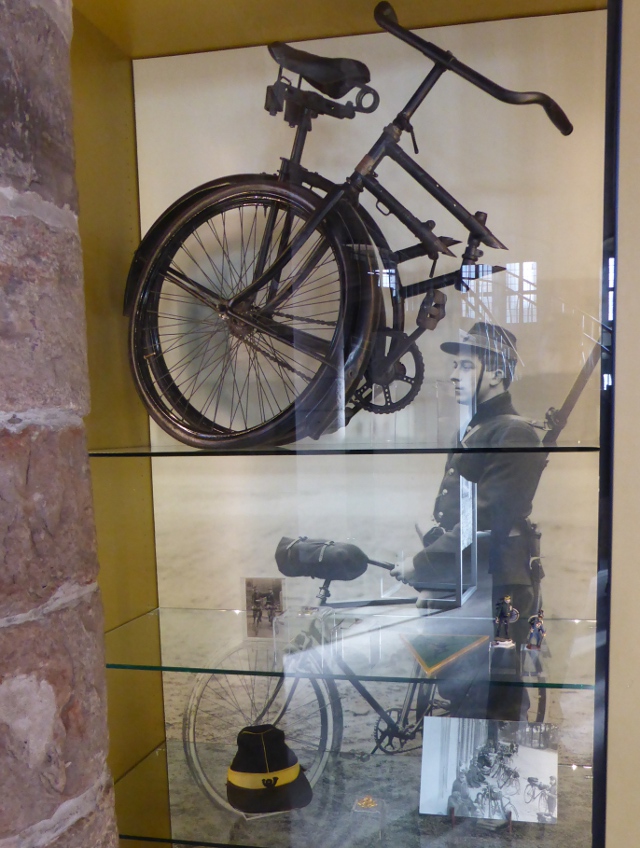
The Army Cyclist Corps, the London Cycling Battalion. Two of the smallest entries on the memorial. There were cycling regiments in various forms in most of the armies with the British having 14 regiments by the start of the war. They didn’t see much service at the front because they were valued as couriers and support troops, but clearly they were close enough for many to be killed and lost around Ypres. Belgian cycling troops were represented in the photographs in the Museum.

Photo Kevin Mayne Photo Kevin Mayne

Of course it’s personal because they were identified as cyclists. But it goes deeper than that. I know the role that the Cyclists’ Touring Club played in recruitment of these soldiers throughout the war, encouraging active cyclists “to do their duty”. One of my private hobbies while I was CEO of CTC was to wander to our archives and seek out historical references in our 130 year old library of CTC magazines and I have read many of those articles that were actually written by my predecessors. Whenever I could I went to the annual service at the Cyclists’ War Memorial at Meriden, a very special place in the history of cyclists at war. When it was unveiled in 1921 over 20,000 cyclists came to the service.

Photo Kevin Mayne

But having been exposed to that history I just could not walk away from those memorials at Ypres without thinking “what would I have done?” As someone who recoils from modern warfare I feel deeply uncomfortable about militarism and wars as a symbol of nationalism. It is challenging enough to wonder whether I would have fought at that time in that culture. But to have played a role in sending people from our club into the war is unimaginable. It hit me with force that day in Ypres as I saw the names of those missing men and it still plays on my mind as I write this.

The battlefields and memorials of Flanders are an interesting and thought provoking visit. I am sure we will return, as will the questions.

For more on cyclists and CTC in WW1 there are some links here, here and here.

There is a very good podcast to download here

Day 2 of our Round Flanders Cycle Tour: “A tale of two Limburgs – Belgian and Dutch” From St Truiden to Tongeren then across the border to Maastricht and Geleen.

Gallery

This gallery contains 21 photos.

Today’s route was multinational. We started aiming to cycle round Flanders but it was impossible to cycle past the famous Dutch city of Maastricht without paying a visit and after that some minor navigation errors saw us spend the afternoon … Continue reading

Cycle touring East Flanders – Discovering Leuven, Hoegarden and St Truiden

Gallery

This gallery contains 22 photos.

This was our first day riding together, very much finding out the pace and rhythm that would suit us both. It was also a really good taste of the Flanders Cycle Route because we were treated to a wide variety … Continue reading

Ingredients for our perfect cycle tour on the Flanders Cycle Route.

Belgium Flanders cycle touring

My Dad and I have just returned from three days really excellent cycle touring in East Flanders and its borders with the Netherlands. Before writing up a typical travelogue I was musing on what made it particularly successful.

We have both done a lot of touring over the years and we had a very clear idea of what we didn’t want. We didn’t want the sort of trip where the cycling gets in the way of the touring. Or more probably the cyclists got in the way of the touring, the sort of trip popular with cycle tourists who have a very fixed view of what constitutes a day’s cycling.  I have of course done these rides, and enjoyed them enormously, especially afterwards. The trip where there is a consensus that we are going to sixty miles a day come hell or high water. Or where the organiser has booked hotels exactly xx miles apart in a straight line and we are just going to have to get there, even if we arrive in the dark when the chef went home hours ago. Other symptoms include arriving at a place of beauty and riding straight past because we are behind schedule, or probably worst of all discovering a set menu of exquisite local food for just €15 and going in the café next door because we can see the bikes from there.

Legends are born on trips like that. But that isn’t what we wanted.

We wanted the other sort of cycle tour, where the cycling is a means of exploration and an excuse to spend a few days just chatting and putting the world to rights. And for various reasons we both needed something that was entirely relaxing. As we haven’t actually toured together overnight for many years we also had to work out something that made sure we were on the same wavelength too.

So we compared notes on some important ingredients and then discovered that East Flanders was absolutely perfect recipe for our needs. This was only a relatively short trip, others may indeed set off to cycle round the whole of Flanders, of Europe or indeed the world. But for us it was just right. If the Mayne rules ever help you design a future tour then please feel free to steal them.

1. If the plans get in the way of the enjoyment, ditch the plan.

2. It’s not about the cycling, it’s about the trip. Stop lots. Especially in the proximity of a café. (see 7)

cycle touring in Belgium

3. Don’t go anywhere.

Yes seriously. A few days before we were due to set off I was beginning to worry about where we should go. Maybe the Ardennes, maybe a Eurovelo route? Somewhere by train, car or bike? We need to get out and see some more of Belgium don’t we?

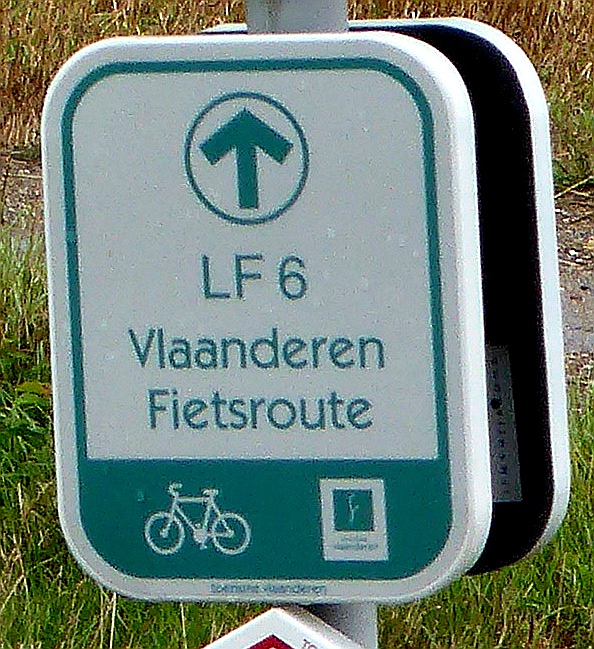
And then a booklet for the circular Flanders Cycle Route which meanders some 800km through the five Flanders provinces sort of fell off a shelf into my hand and I made two important discoveries. Firstly that it passed just 10km from my house and secondly that I hadn’t actually ridden any of the areas in that Easterly direction. So I thought “why bother doing anything else?” It is mapped, signposted and starts on the doorstep. Wherever we end up we can get a train back. Let’s just give it a try.

Flanders cycle route sign Photo Kevin Mayne

4. Distances are to be measured at the end of the day, not set at the start.

This was a particularly successful strategy. I had predicted roughly where we would end up each night based on the straight line distances between some of the towns but we discovered that the winding route added a considerable distance on each stretch so my predictions were way out. But because we had neither planned nor booked anything it really didn’t cause any stress at all.

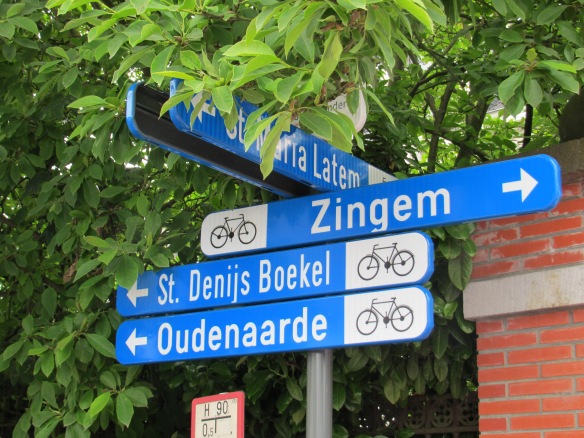
The wonderful Knooppunt navigation points* help with that too because at each junction you are pointed to the next Knooppunt but no distances are given. So you just potter on to the next number, and then choose a new one depending on how you feel.

Photo by Kevin Mayne

5. If one person is a stronger cyclist than the other – they take most of the luggage and a heavy bike.

Touring bikes for Flanders tour

No equality required. (How many times is it that I see groups of cycle tourists where the person struggling is always overladen and on a heavy or unsuitable bike? Does nobody see how wrong that is?)

6. Ride anything.

Looking back it is actually quite hard to work out a type of road or cycle path we didn’t find en-route. If at any point one of us was a bit bored by the flat or terrorised by the cobbles we found that five minutes later it would change. So there really was no point even commenting. (Much)

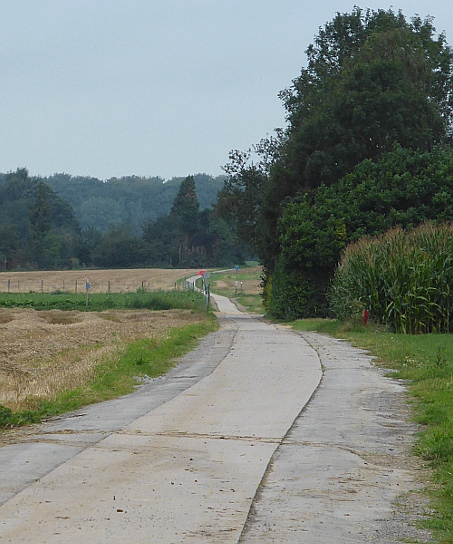
Narrow concrete tracks across farm land and rolling orchards were quite common and delightfully quiet. We followed dirt tracks surrounded by trees and wonderful purple heather.Flanders cycling photo Kevin Mayne Off road cycle route cycling Flanders

Urban cobbles, floral bridges and giant canals with the smoothest, widest cycle paths imaginable.

Photo by Kevin Mayne Photo by Kevin Mayne

Flanders cycle routes

Even a motorway bridge at one point. You have got to love the Dutch, they do build bike paths on an industrial scale!

Cycle route motorway bridge

7. It is always worth ten minutes more at the café.

When one person really wants to go and look at the bravest of the Gauls, the Belgae warrior Amborix whose statue was rather too like comic book hero Asterix to be taken seriously then the other person is equally free to take a second coffee.

Cycling in Flanders

And conveniently on this trip every time we took a bit longer it started to rain, but in this year’s Belgian summer it was soon gone again soon. We rode on a lot of wet roads, but only in a bit of drizzle in the whole 3 days. Very, very lucky.

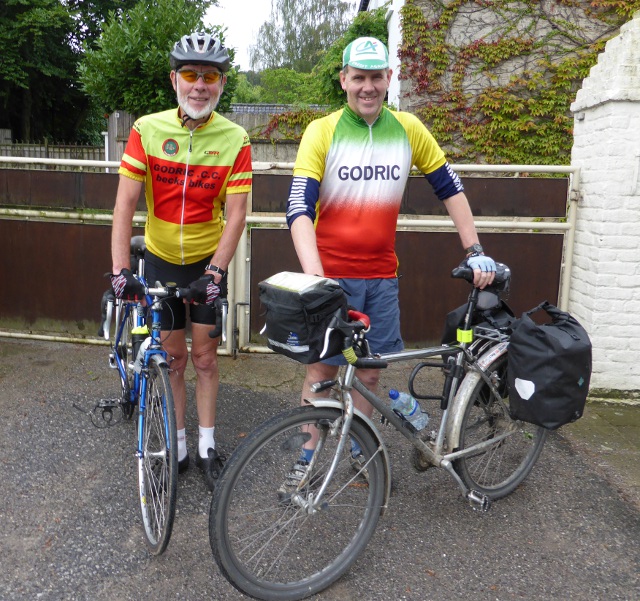
Geoff Mayne by Kevin Mayne

And finally item 8.

Go home while you are still having fun.

Cycling in Flanders Kevin Mayne

When we set out we didn’t actually decide whether we were going for two days or three. The weather was probably going to be the defining factor, but we both knew that we had to work out whether we were going to enjoy each other’s riding style and the route.

At the lunch stop in Maastricht a conversation took place that roughly said “when are we going to get the chance to do something as good as this again?” and the matter was very quickly decided in favour of the extra day. Unanimously.

*Knooppunt are a system of nodes or junctions on a network of recommended cycle touring roads, paths or route sections.

They are all numbered and you plan your route by selecting a sequence of numbers that you want to connect on a map, on-line or on a GPS unit. The excellent signposting takes care of the rest as each road or trail junction has a signpost pointing to the relevant numbers. They started in the Netherlands, now cover Flanders and are gradually beginning to appear in specific areas of Germany and Wallonia.

Where we went the Dutch and Flemish signs linked up over the border – so useful.

Some more information here.


Watching the Tour of Flanders by bike – great day out

Kevin and Vincent at the Koppenberg

Tpor of Flanders riders Haaghoek

I was not sure how to watch the Tour of Flanders this year. As I was going on my own I had concluded that this was probably a good day for a long spring ride from home. I would then rest at a vantage point and ride home, making perhaps my first 100 mile ride for a long time.

But with a couple of days to go Vincent from Ghent was on the email – “any plans for Sunday? I will probably bike from “hotspot” to “hotspot” between Oudenaarde and Ronse. In this way I can work on my personal condition and watch the race.”

I probably should have looked a bit more closely at the “work on my personal condition” part of the invitation as Vincent is a faster rider than me, but the prospect of company and somebody to map out a route between vantage points was too good to miss. I also knew that it would be great to ride with real fans, local riders with a passion not only for the Flemish riders but “their race”, the culmination of a season of Flanders mini-classics on their roads which build up over several weeks and culminate in the Ronde.

The arrangement was quickly made that I would go by train to Ghent, meet the guys and we would ride down to the course. This is relatively easy in Belgium because once you have bought your 24 hour bike ticket you have unlimited access to the rail network for the bike, it is not the lottery experienced in many countries. So I could plan to jump on a train home from any number of stations in the area without hassle.

Watching the race

The Tour of Flanders is one of the most spectator friendly races in the professional cycling calendar. Many of the great bike races flash by from place to place and the only way to watch is to chase the race by car or soak up the atmosphere and watch the rest of the race in a bar.

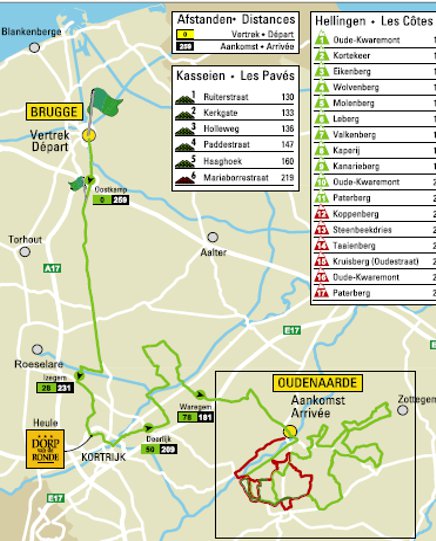
Official Route Map (from Flanders Classics)

Official Route Map (from Flanders Classics)

With the Tour of Flanders the organisers give flat West Flanders a taste by sending them off into the flat country for 100 or more kilometres, then they bring the race into the Flemish Ardennes and pack 150 km of racing into a small range of steep sided hills just 20km long by 10km wide. This is done by a complicated set of loops and laps which mean that cars find it hard to move almost anywhere in the network of lanes but by bike it is easy to plot a route to see the race several times if you have some local insight.

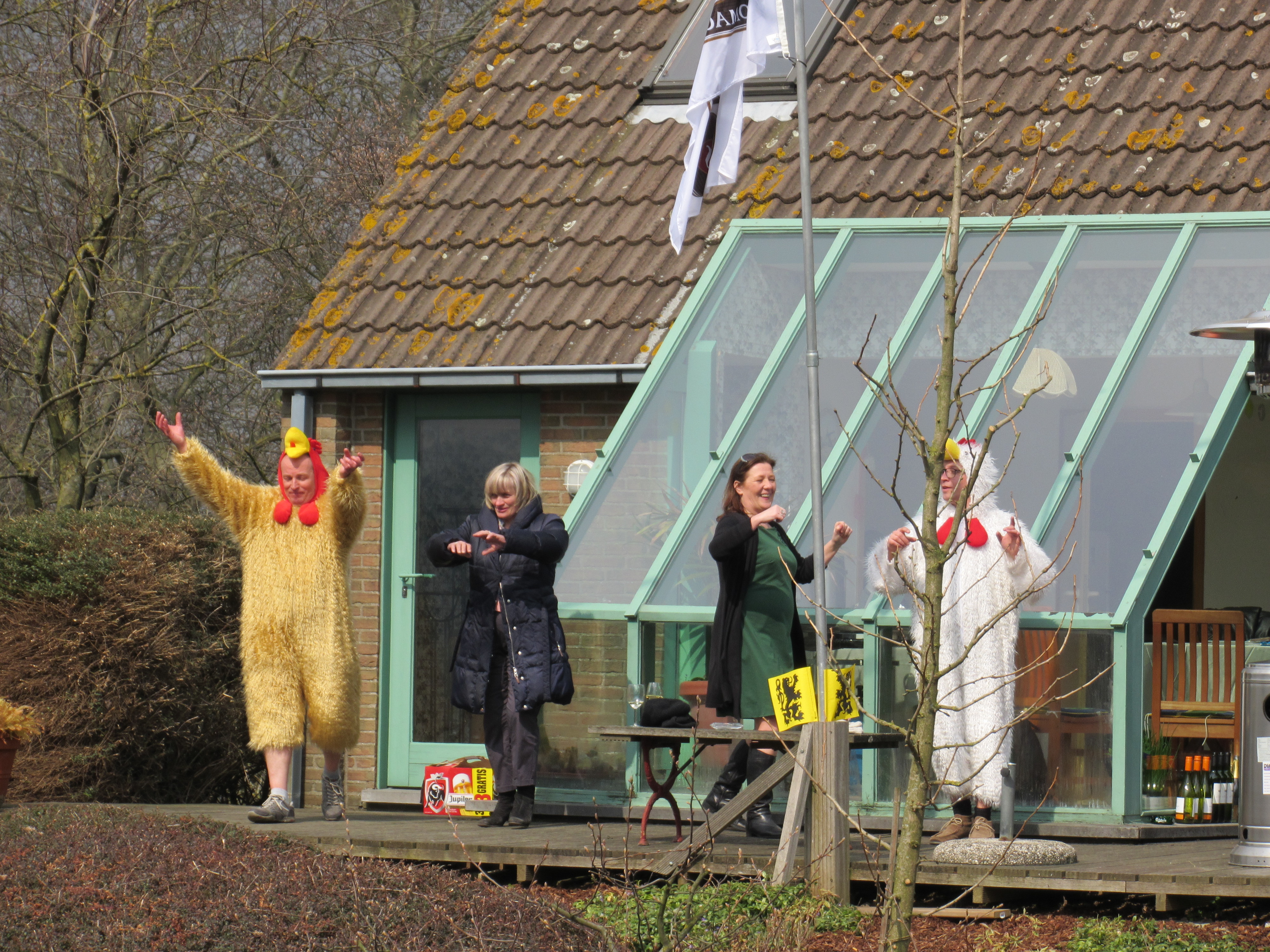
The organisers also cater for the spectators brilliantly by running shuttle buses up to three spectator villages with food, bars and big screens at the main vantage points. It is quite unique in sport, the crowd encouraged away from the towns into fields beside tiny villages. And instead of grumbling about the inconvenience and the intrusion the local communities fill many of the gardens with their friends, get out the beer and the barbeque and welcome their race.

Tour of Flanders

(I published several posts last year from the Paterberg that can be found under the Tour of Flanders tab below)

Our route

Our ride was a bit of a mini version of the race route which I have crudely sketched on to the map below (Blue line) By starting from Ghent we would mirror the elites by riding straight into the stiff south westerly breeze. Near to Oudenaarde we swing south into the hills to the Molenberg. From there apparently there was just enough time if we hurried to catch them again on the cobbled section at Haaghoek before a 10-15km ride to the Oude Kwaremont where we should see them twice and watch the race unfold on the big screen. About 80km/50miles I estimated for that part, my whole day was around 75miles/120km.

Tour of Flanders our route

Tour of Flanders Molenberg

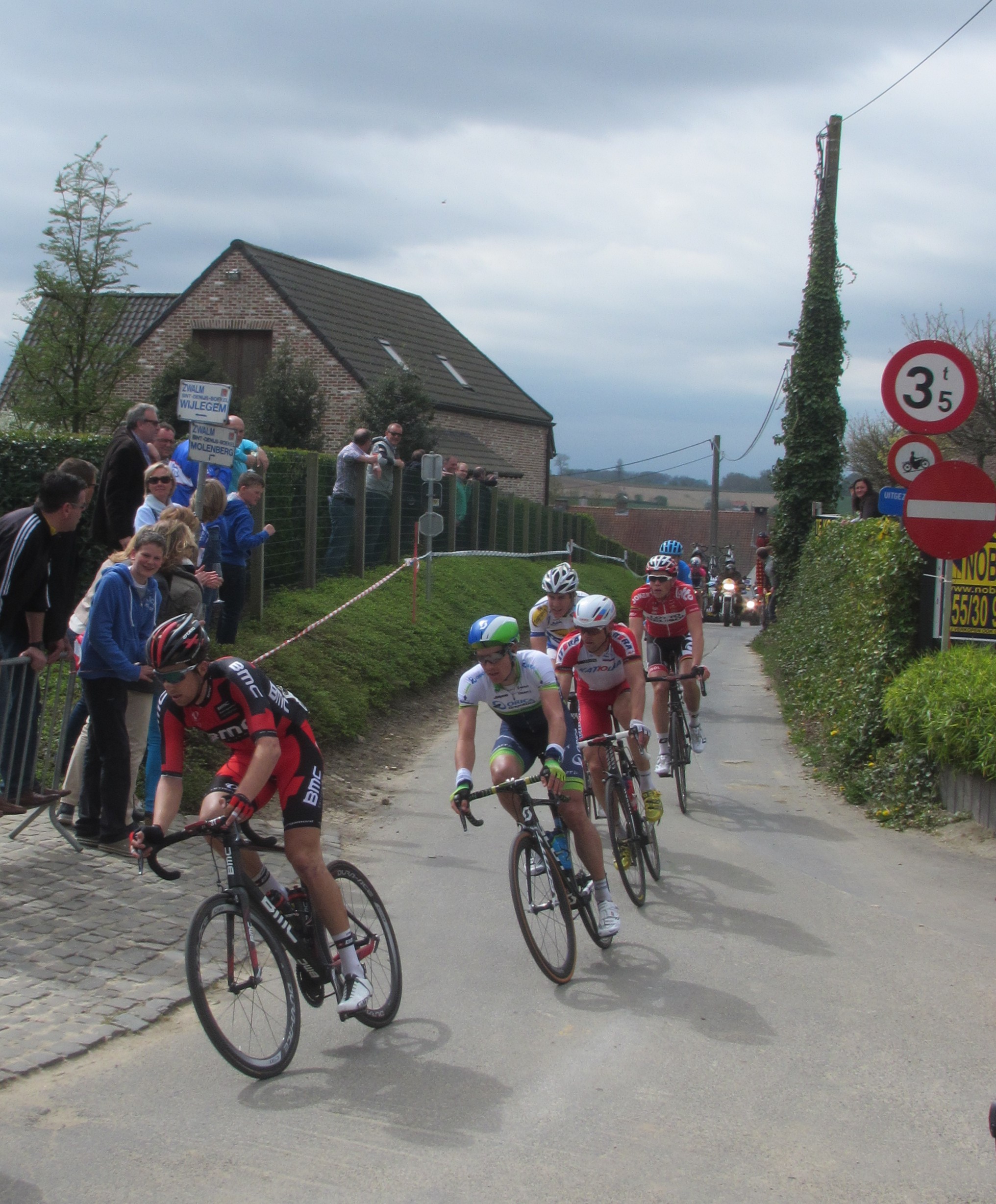
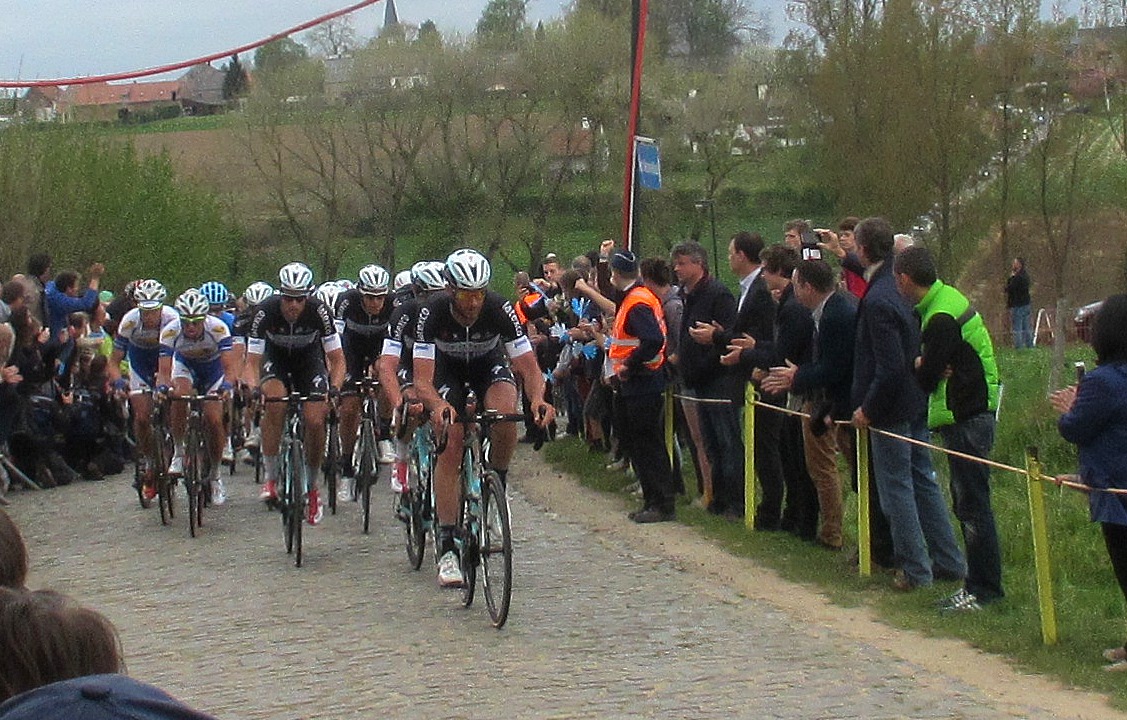
This route was really good because I would never have chosen the Molenberg or Haaghoek to watch, I just didn’t have the knowledge of what to expect and they come early in the action. As it turned out they gave me some new experiences because the top of Molenberg was a tiny lane with the bunch funnelled down right in front of people’s gardens whereas the section at Haaghoek was a wider cobbled road across a shallow valley with a great view of the whole race cavalcade rattling down the stones and sweeping up in front of fans two deep on the railings.

The Oude Kwaremont is at the other end of the spectrum, one of the famous and decisive climbs with just 20km to go in the race. I have ridden it and it is nowhere as steep as the Paterberg or the Koppenberg but it just seems to go on for ages, all cobbled. It is ridden 3 times and at the end it is a great place to see the favourites impose themselves. For that reason it is of course popular, with a big spectator village at the top and you have to fight for a view at the roadside, but then we can all watch the finale.

Oude Kwaremont summit

Our ride.

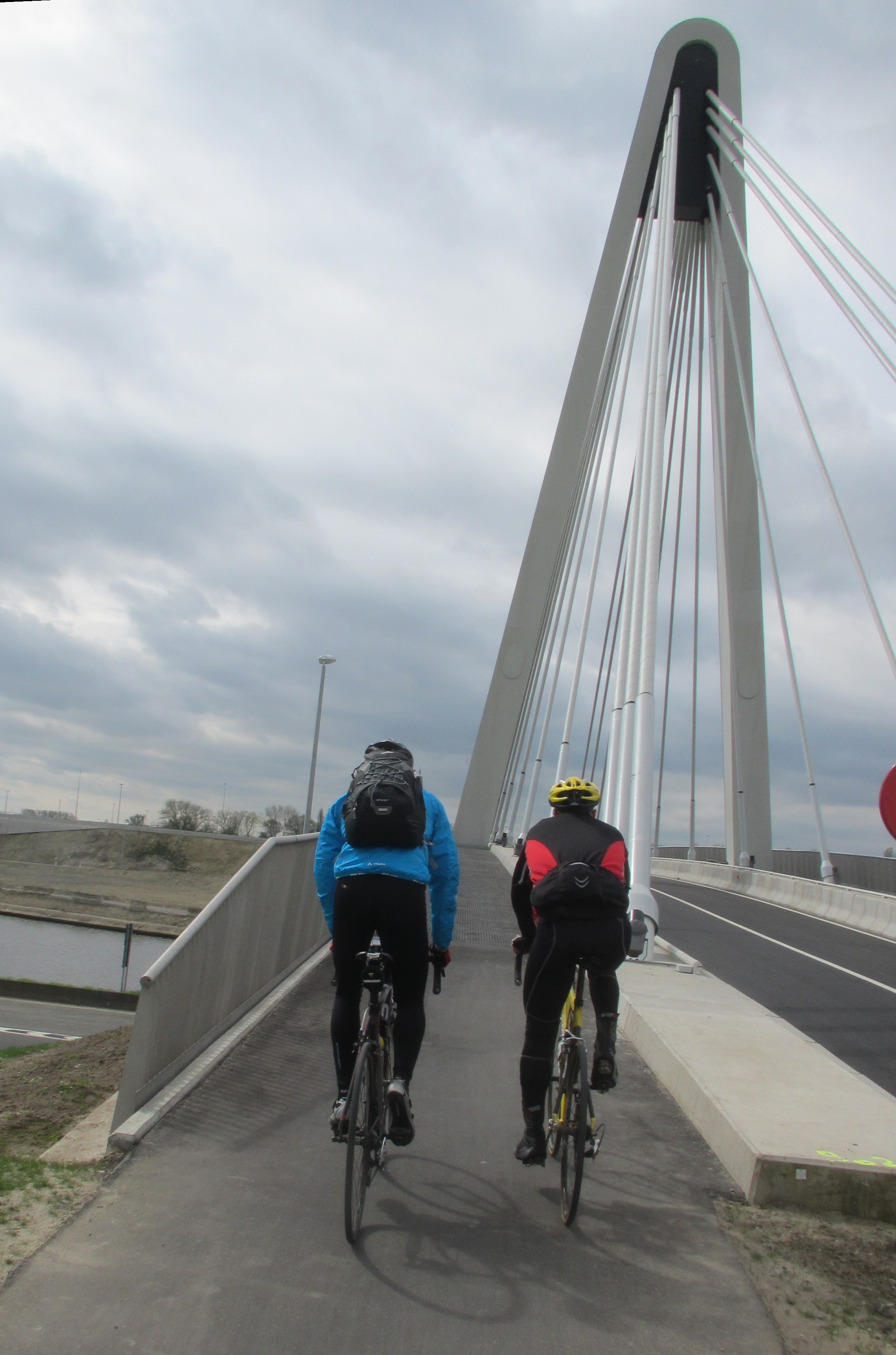
Cyclists Suspension bridge GhentTo get out of Ghent we nipped through the suburbs and then up and over a superb new cyclists suspension bridge which has been built over the motorway as part of the access to a new football stadium. The stadium itself has an impressive mobility plan which encourages local fans to come by bike with lots of cycle routes and cycle parking.

We quickly joined the flat car free route beside the Scheldt river (hope of the infamous ribbelstroken) and soon knocked off the kilometres towards Oudenaarde. I was already grateful for the company given the surprising strength of the wind, especially when I realised that my original plan would have seen me riding 50 miles into this on my own.

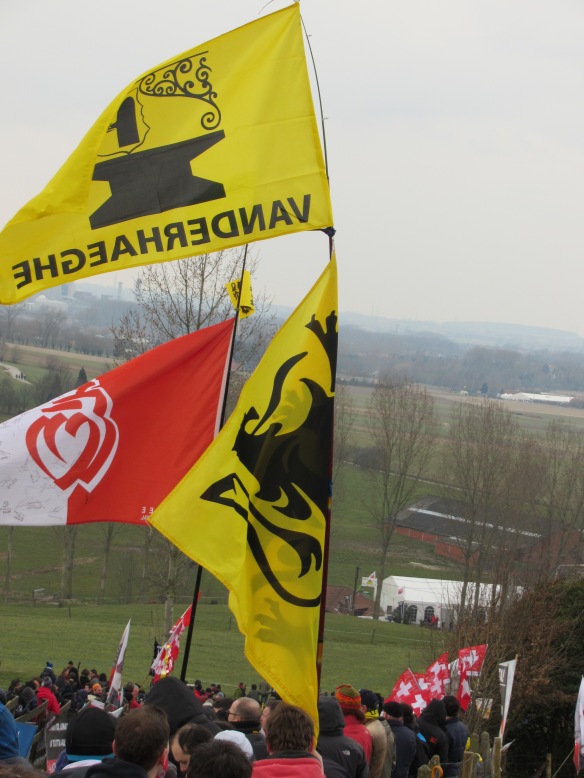
IMG_4018Leaving the riverside we were quickly zig-zagging through a maze of lanes that I would never have found on my own and relatively rapidly came up a tiny side road to the top of the Molenberg. Everything seemed very quiet, then suddenly the final climb was covered in parked cars, telling us the race route must be nearby. Great navigation because we popped out right at the top of the village and joined a mix of locals and visitors by the roadside, all being handed flags with the black lion of Flanders.

The next part of the ride was the hardest because after standing around for half an hour we suddenly had to dash across several small folds in the landscape and by the time we reached the top of the final one my legs were groaning and my lungs gasping to keep up with Vincent and Wouter. We actually got to ride a very short stretch of the course just ahead of the race as we cut through but we were mainly on some lanes which looked lovely with the spring blossom everywhere, a year ago I watched under snowflakes and spring seemed quite distant.

A good crowd was gathered at Haagenhoek because of the excellent views and the extremely well placed bar where the party of Dutch cargo bikers were refuelling.

Tour of Flanders Haaghoek

We weren’t there long before the race came through so this time I didn’t stiffen up so much before we were back on the bikes to ride a longer section to the Kwaremont. Again the benefits of local knowledge were apparent, would I have gone down an apparent footpath between two houses without Vincent leading? No chance!

Short cut to Tour of Flanders

Cycle touring path near OudenaardeThe stiff wind was still in our faces but by now it was clear that Wouter is a strong rider into the wind so I was happy to be tucked up behind them when we cleared the lanes and joined an excellent cycle route that ended up on an former railway line that sliced across the open fields in the flat valley of the Scheldt. This was a good way of taking in the topography of the area because as we rolled west the hills of the Flemish Ardennes were lined up to our left and we could look across and spot the bergs, knowing the riders were out there somewhere sweeping up down and around the fiendish final 100km of the race. Our route cut right across the foot of the awesome Koppenberg that completely defeated me earlier in the year so we stopped for a photo-call to prove we were there, but maybe another time for the climb.

Shortly after the foot of the Koppenberg we were into Berchem, the small town below the village of Kwaremont which looks down over the valley. We were running a bit tight for time to get up the climb before the riders so the suggestion was a detour to watch the field come down the new main road which bypasses Kwaremont. This turned out to be inspired because again we saw another aspect of the race that none of us had seen before. The bunch was jockeying for position before the key climb which means that they spread out across the whole road and descended past us at just extraordinary speed. (80kmph/50mph at least) Given that they were only a few metres from a road narrowing and a sharp right hand bend the sight was even more terrifying. As bike riders ourselves we appreciated how much skill and confidence in each other the pros must have to do that. The day was dark, gloomy and threatening rain so the lights of the cars and motorbikes only emphasised the impression.

Tour of Flanders Kwaremont

Once they were past us Wouter suddenly suggested that if we were quick we might actually catch them again at the top of the hill because they had to go down, through Berchem and up the long cobbled climb while we “only” had to go up the main road to the top. My legs were aching again from the combination of riding and standing so the other two soon left me behind even though the slope was not steep. However I was soon bumping my bike across the field with the big screen to get to the barriers and see the bunch in time.

We were then able to hang out, refuel (essential frites) and watch the race unfold on the big screen. Then with just 20km to go it was a rush to get a great spot by the barriers and hopefully see the decisive moment, then back to the screens to watch them climb the Paterberg and then the run in to the finish at Oudenaarde.

Tour of Flanders on the big screen

The race

The race itself was a cracker. For the first time in three years the two strongest riders of recent years were both fit and the Flemish were very excited about Tom Boonen’s prospects. There were also a host of strong riders from what might be called “the new generation” sniping at the heels of the favourites and several of them are Belgian.

The break of the day went away early and held on for a long time but it was clear that on home soil Boonen’s Omega Pharma Quickstep team meant business, they were massed at the front every time we saw them and the crowds were getting very excited.

Look its Tom Boonen at Tour of Flanders

In the final 30km it was the new generation that appeared charge and home fans were excited to see Greg van Avermaet of BMC pulling away in front of us on the Kwaremont with his Quickstep shadow Stijn Vandenbergh, also Belgian, and more excitingly for the locals he was from a village nearby.

Belgians attack on the Oude Kwaremont

But ominously a pair of riders came up just behind them and one of them was Spartacus, Fabian Cancellara towing Sep Vanmarcke who had pushed him so hard in last year’s Paris Roubaix.  In the final 20km we almost saw Van Avermaet get away on the Paterberg and the other Belgians took it in turns to attack but they could not shake off the Swiss master. Every Belgian attack was greeted by cheers and shouts, but to a huge groan from the crowd Cancellara took the sprint from the three Flemish young pretenders.

However what I liked is that even as we walked away the talk turned to what a great race it had been and respect for Cancellara. Not only because he is a great rider but because it is clear he respects the race and its traditions. One press report I saw said that he even apologised to the host Belgian broadcaster in his post-race interview for beating three Belgians! A real nice guy by all accounts and one of my favourite riders. (Click here for a video of one of his greatest descents – awesome stuff)

In summary?

I am sure I had something complicated to say, but it’s all here. Put simply – every bike fan should come to the Tour of Flanders at least once. And if you can do it riding in the company of knowledgeable Flemish bike fans you will enjoy it all the more.

Thanks Vincent and Wouter – great day out.

A special New Year’s Day Ride – the classic climbs of the Tour of Flanders

Belgium, Ronde Van Vlaanderen fietsroute

Ronde van Vlaanderen Blue route

The New Year’s Day ride is a ritual for me, the year hasn’t really started until I have turned the pedals. But this year’s ride was something really uniquely Belgian, or rather Flemish.

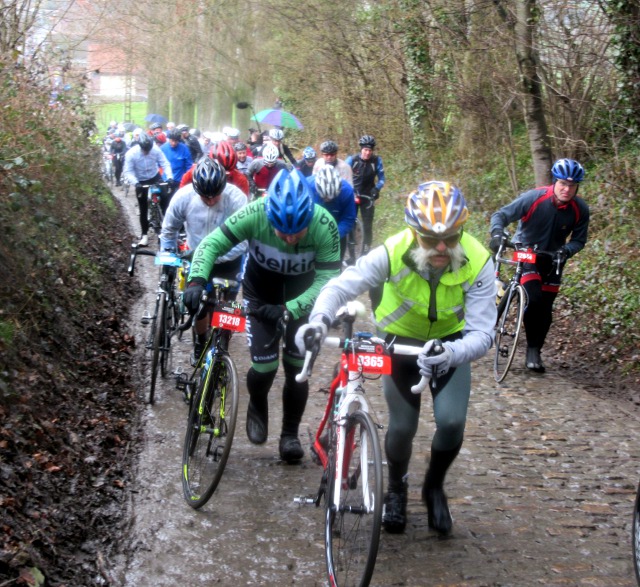
The presence of my Kiwi cycling brother-in-law meant that we had an excuse to finish his stay in Belgium with a classic ride – one of the many marked Tour of Flanders race routes, this one taking in nine of the classic climbs from the final section in the Flemish Ardennes. The Kruisberg, Oude Kwaremont, Paterberg and Koppenberg are climbs written into cycling folklore. While I watched the race last year I have not actually ridden them and he couldn’t come to Belgium without trying one of the legends so we had the reason we needed to head off. This would also be payoff for our days of flogging through the rain and mud on mountain bikes before Christmas, this was a treat for the fans.

Andrew on the Paterberg

We had a plan to get up early and get ourselves over to Ronse for a few hours of special riding. However if you had asked me if it was going to be a top day’s cycling when the alarm went at 8am I would not have been able to give you a very positive answer, New Year’s Eve’s aftermath left me thinking that an afternoon potter through the lanes would be a much more sensible plan. However the requirement of being a good host and the promise of a special route was just about enough to get me going, or rather a pint of tea and a start line coffee did the job.

I chose the 78km Blue Route (De Blauwe Lus) one of three published by the Tour of Flanders centre in Oudenaarde, but by starting from Ronse on the Southern edge of the route we planned to cut out the flat start and finish sections in and out of Oudenaarde and make it into a 55km circular route, quite enough for a New Year’s blow-out. (map image and downloads from Routeyou.com )

It was an overcast blustery day with rain forecast later so we had to take on the mid-morning chill, but overall it was a stunning ride. The flat country lanes between the climbs were a bit muddy and horribly exposed whenever we turned into the wind, but provided enough respite to give the hills our full attention and the views from the top were great. 

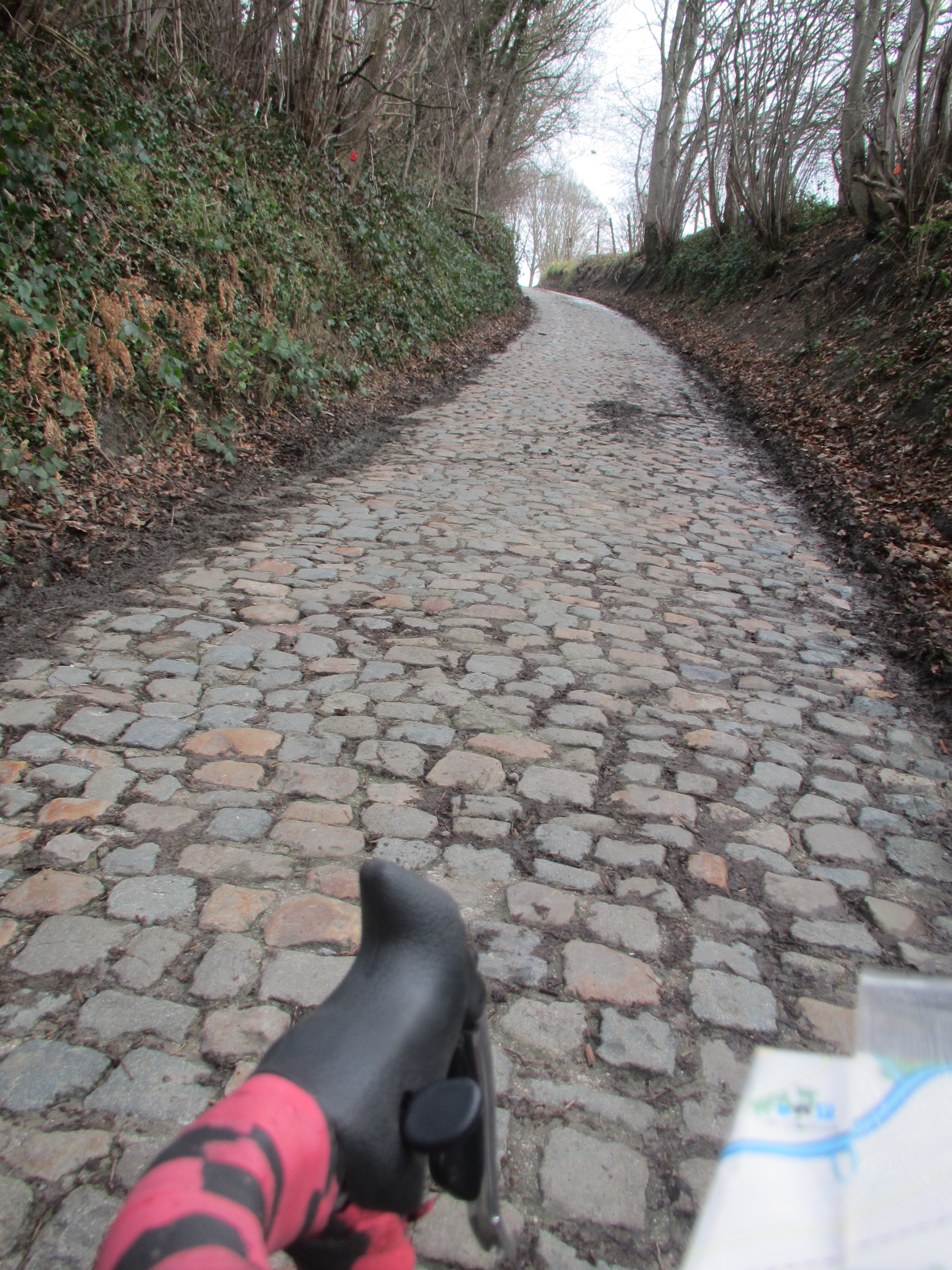
Kicking off on the Kruisberg with 1.8km of cobbled climbing up to 9% gradient meant we were plenty warm enough before we felt the full force of the wind on the exposed hill tops. However the Kruisberg cobbles are well maintained and like a carpet compared to what was coming. The Monte de l’Enclus wasn’t too steep or cobbled but from when we hit the Oude Kwaremont we understood the challenge.

The lower slope was deceptive as the village church could be seen on at the summit and it didn’t look too steep, but the smooth road surface was a trap for the unwary.

Bottom of the Oude Kwaremont

The cobbles soon started and the reality struck. Andrew looked smooth as if he was born part Belgian but I was labouring away finding it very hard to keep my gear moving despite a triple chainset.

The key lesson about this sort of riding is that you are denied the fallback of getting out of the saddle when the hill gets steep. As soon as I stood up to get a bit of extra leverage the back wheel started to bounce and all grip was lost, you just have to stay hard in the saddle and heave the pedals round from a seated position. This completely exposed the fact that I have never had that kind of strength, I have always been an out of the saddle climber and it was tough. Andrew found out the grip problem the hard way on the Paterberg when his back wheel just shot from underneath him and dumped him on the cobbles, but as he said “its not as it I was moving very fast”. He did get back on and complete the hill – although you can see the effort!

Suffering on the Paterberg

The Koppenberg defeated us both as the big damp greasy stones and the 19% gradient proved an impossible combination with no traction whatsoever.

Ronde Van Vlaaderen Fietsroute

Tour of Flanders Cycle route

We were entirely philosophical about it as the Koppenberg has seen the majority of the professional peloton walking in the Tour of Flanders, especially when wet. Fans always recall the incident in 1987 when Danish rider Jesper Skibby had broken away from the chasers and fell off on the narrow hill. The race director then promptly ran over his fallen bike with Skibby still on it, apparently to keep clear of the chasing group. Opinion varies on whether he would have done that it Skibby had been Flemish!

https://www.youtube.com/watch?v=j03obuRAHiM

The descents had to be treated with respect too, the roads were drying out but these are tiny agricultural lanes with quite a bit of mud and gusty cross winds stopping us taking full advantage.Tour of Flanders Cycle Route Ronde Van Vlaanderen Fietsroute

But here’s the thing. Once again rural Belgium was a cyclists’ paradise. Every climb was car free, we had the complete width of the roads to wobble and wander and on most of the minor roads we hardly saw a vehicle. Apart of the one or two main roads we had to cross we probably saw as many cyclists as cars and those were countable on one hand. However you are never divorced from the cycling heritage round here as this farm’s mural paid testament to the heroes of the nation.

Ronde Van Vlaanderen Mural Flanders Belgian cycling heroes on mural

It is also entirely possible that we might be considered completely mad by the locals. The sensible Flemish who live nearby can do this every day and it takes an Englishman and a Kiwi to get up early on a cold New Year’s morning to ride De Ronde so they left us to it. If that’s the case I accept the charge, but I personally can’t think of a better way to make 2014 a special cycling year – christened by riding De Ronde Van Vlaanderen Fietsroute on New Year’s Day.

Tour of Flanders Cycle Route

Ten best things about being a cyclist in Belgium

Watchng the Fleche 2

A year ago we moved to Belgium. 

By way of an anniversary post and a thank you to my new country here are my musings about the best things about cycling here so far.  

Next week I might throw in a few pet hates, although the scales are overwhelmingly positive for the first year in this great cycling nation.

In no particular order this British cyclist’s “Ten best of cycling in Belgium” are
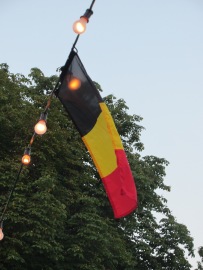
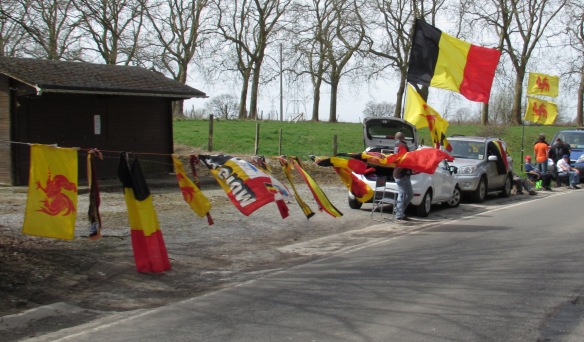
  • Belgian National DaySocial cycling
  • The Classics
  • Tracks and trails of Wallonia
  • Long summer evenings
  • Being strange
  • The ever changing Belgian countryside
  • Belgians like a lie in
  • Bike fans
  • Somewhere near to everywhere
  • My bike shed

1. Social cycling – you are not alone.

Recreational and sports cycling in Belgium is overwhelmingly a collective activity. At the weekend you can hear the groups of cyclists passing our house not by the tyre swoosh but by sounds of talking and laughing. I have commented that I love the sense of community in the small towns and villages of Belgium that carries over into the cycling, everywhere I go I see people riding together.

It’s not just the big pelotons of club cyclists in the touring and racing clubs.
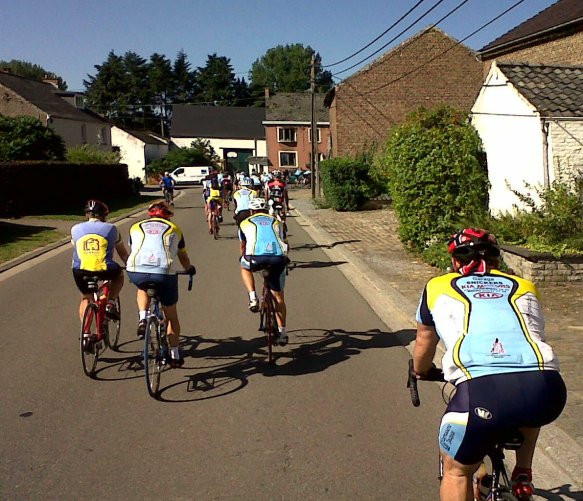
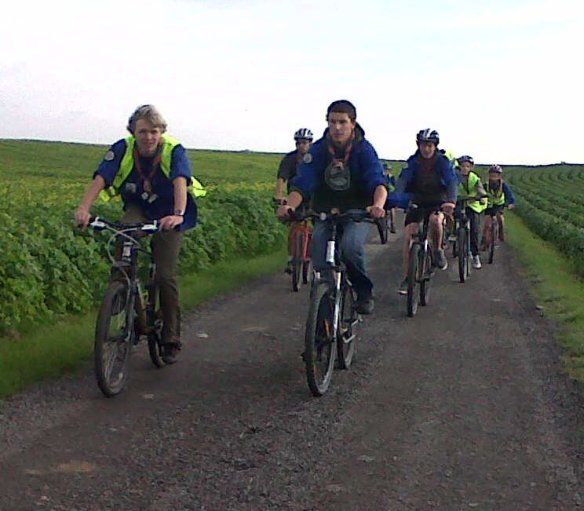
Cycleottignies

It’s the scouts.

Belgian scout ride

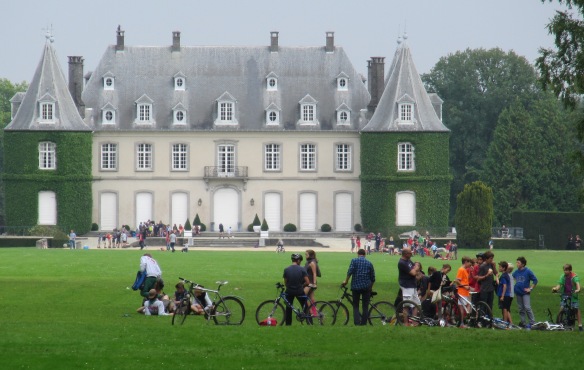
It’s the youth clubs.

Chateau Solvay La Hulpe cyclisme

It’s the senior citizens on a Friday night near Ghent.
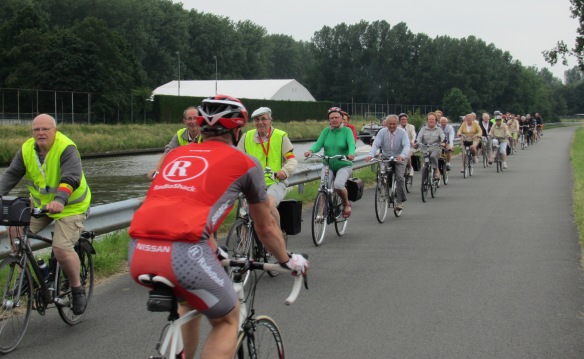
Friday night in Flanders

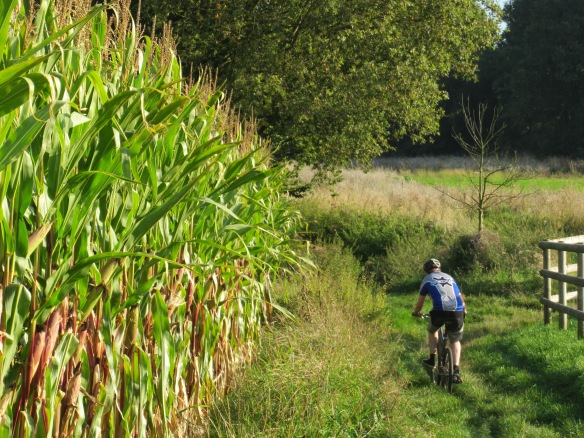
It’s just a couple of friends riding their mountain bikes.
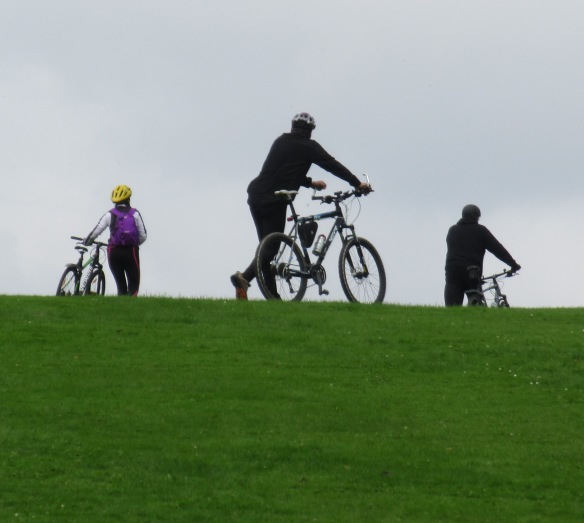
Solvay park VTT

It’s the randonnée à vélo for families that every village and town puts on for its jour de fete.
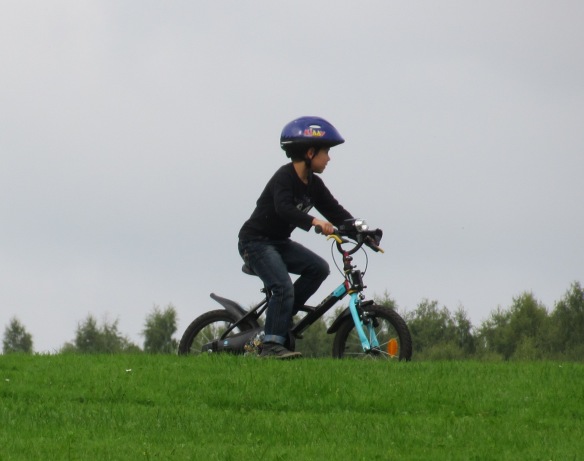
Child cycling Solvay Park La Hulpe

2. The Classics

fans 5

The chance to experience the Tour of Flanders (Ronde van Vlaanderen), Fleche Wallonne and Liege-Bastogne-Liege are just fantastic days out for a bike fan.

All the legends – beer and frites, fan clubs, cobblestones and star riders come together in an atmosphere I have never experienced before after a lifetime of going to bike races.

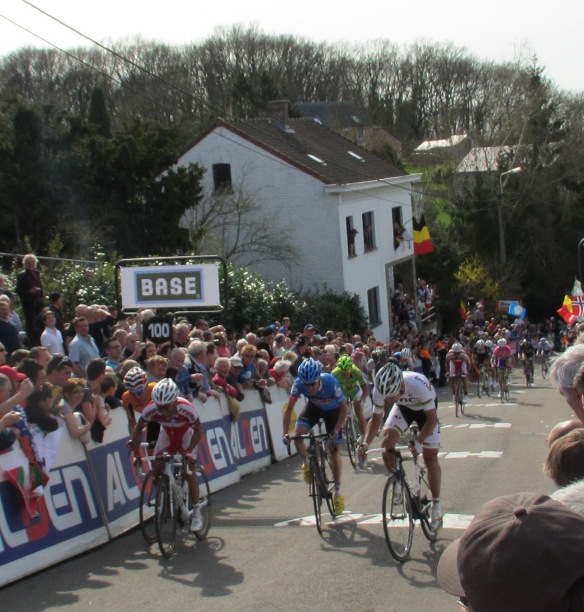
Liege Bastogne Liege Sprimont 5

minor places Fleche Wallonne

And by pure chance this year I took the best cycle racing photo I will ever take on the Patterberg – Spartacus (Fabian Cancellara) making the winning move against Peter Sagan.Ronde Van Vlaanderen Paterberg
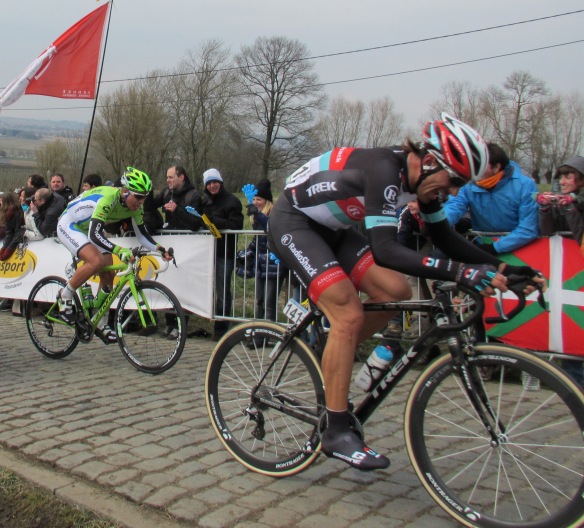
Hard to repeat that, but I’ll be back again this year for my next fix.

3. Tracks and trails of Wallonia
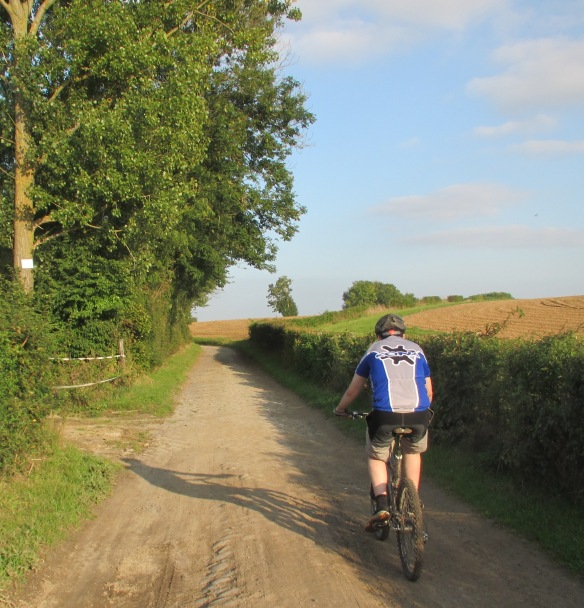
Brabant Wallon

For the mountain bikers this time. Every commune in our area has hundreds of kilometres of farm tracks, forest trails and cobbled roads that together make an amazing network of rides for mountain bikers. Where I live in Lasne the brilliant folks at Lasne Nature have signposted 250 kilometres of the trails into circular routes from 5-15km in length, all of which can be joined together to give great rides.
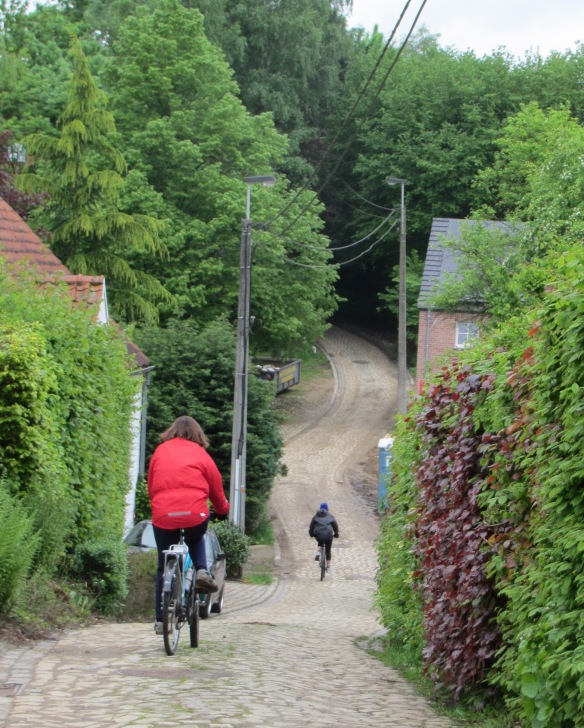
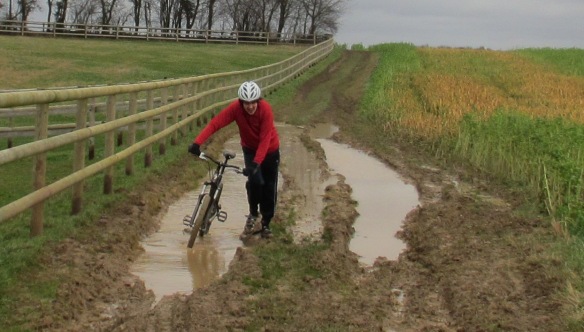
Beaumont Lasne

Belgium, Brabant Wallon

And this continues for village after village.

It isn’t rugged and mountainous, it isn’t the flowing singletrack of a purpose built trail centre but it is an endless source of riding. Add an unexpected and freak layer of snow for four months last year and it was plenty tough enough for hard riding too.
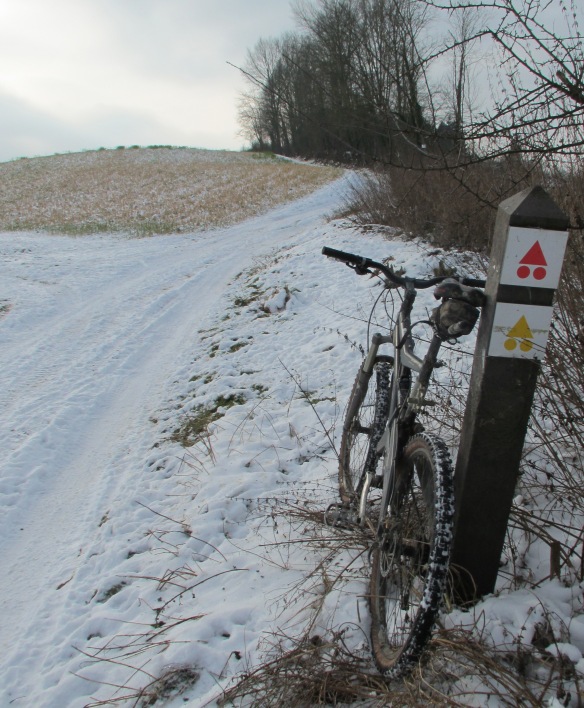
Brabant Wallon

4. Long summer evenings

Ben Mayne Chapelle St Lambert

An unexpected bonus. I didn’t think I would notice the time difference between Belgium and the UK. It seems a minor point but because Belgium is an hour ahead of the UK in clock time but geographically just a few minutes ahead this is like having a whole extra hour of daylight in the evening.

In the summer this means the evenings just seem to go on for ages. When I was a little boy I used to resent being sent to bed while it was still light in the summer. Now I can commute home in the light so much later or go ride my bike after work. We have had some just lovely riding evenings, even well into the autumn.

5. Being strange
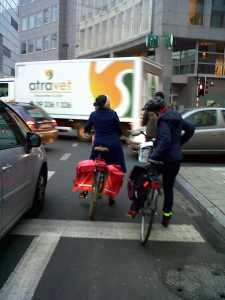
IMG00779-20131126-0836When I had made a lycra-clad appearance in our office for the second or third time a colleague said to me “you are a bit strange”.

While I decided whether to be offended or not he quickly qualified himself. He said he had never met anyone in who worked in cycling who also enjoyed cycle racing and sport or was prepared to commute in from outside Brussels. I was a bit thrown, I had come to Belgium to be part of this glorious cycling heritage and I was being portrayed as a bit of freak.

In the UK I have always been around sports cyclists even when I was working in transport and tourism and many of my colleagues carried a passing interest or a background in the sports world.
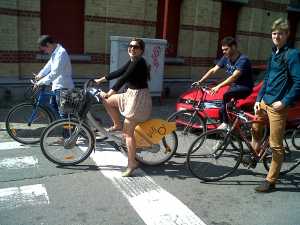
ECF lunch rideBut in some areas of Belgium, especially Flanders and in the EU district of Brussels what I think of as the Dutch/Scandinavian sub-culture is really strong and it is daily transport cycling, in normal clothes on normal bikes that holds sway. It is really great to be part of this multi-national community in the mornings, taking their kids to school, going to the shops and generally giving cycling status as a proper transport mode in front of the EU political classes, unlike in much of the English speaking world where cyclists can still be distinguished as a sub-culture by sport or hipster dress codes.
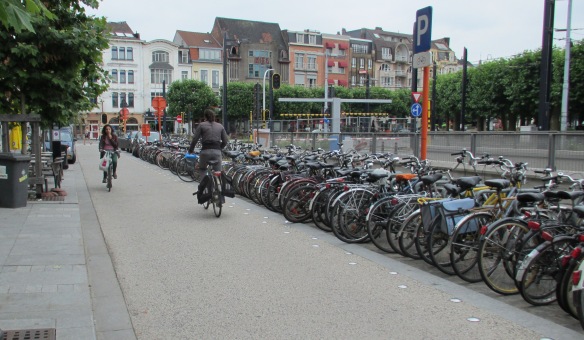
Segregated cycle path Ghent

For me to be “the strange one” is a statement that cycling has healthy prospects in Belgium.

6. The ever changing Belgian countryside
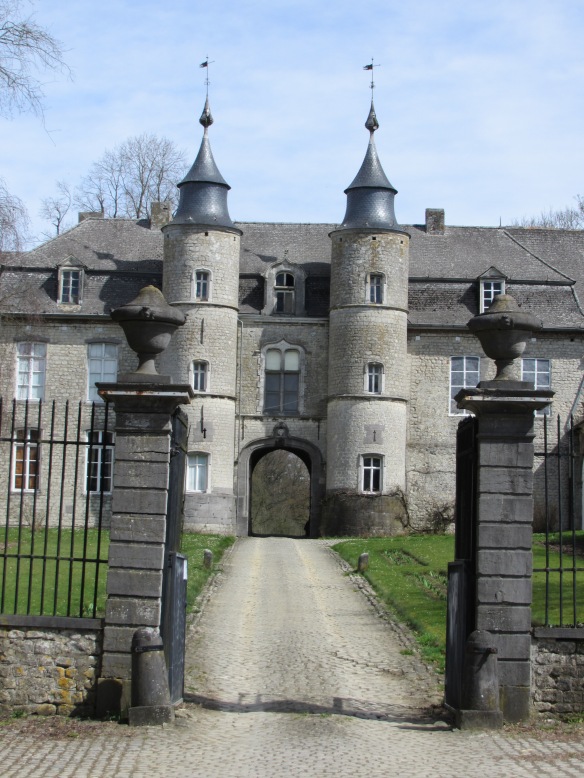
Houtain le Val

Friday night bike ride Flanders

I have written many blog posts about the changing light and weather of Belgium over the past 12 months. I don’t know what I expected, but I don’t think it was steep-sided valleys covered in beech trees or ever changing farming landscapes. The differences across the country from West Flanders to the Ardennes pack a lot of scenery into a small country.
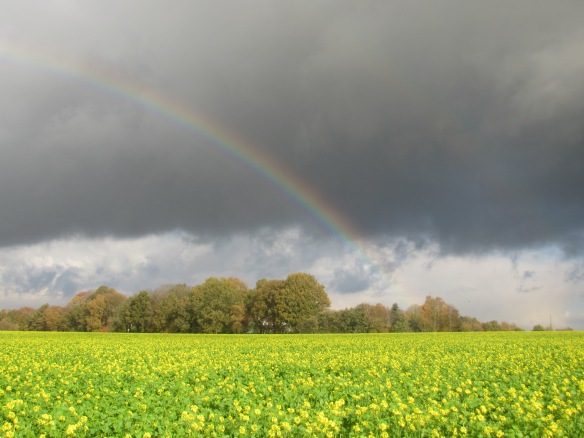
IMG_2822

Belgium farming and forestry practices have a big part to play in maintaining this landscape as does the maintenance of the historic buildings and villages despite it being the battleground of Europe.
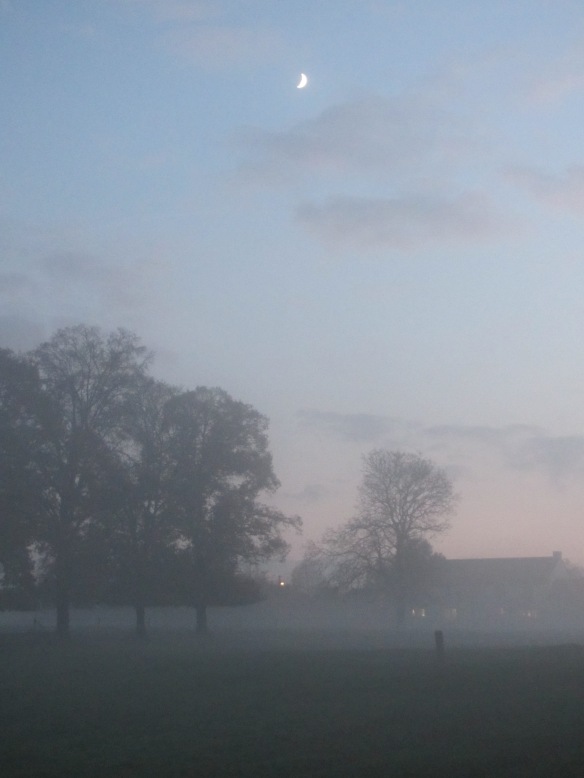
Mist, trees and moon, evening in Belgium

There is a big push towards organic and pesticide free farming here which means that farmers have returned to traditional practices like crop rotation and green manures. In the fields just around our house we have seen wheat, barley, sugar beet, maize, potatoes, and parsnips just this year, all mixed up with fields of cows, sheep and horses and lots of coppices of deciduous trees. And in addition to the fields themselves this wide variety enables bird and animal species that are declining in other countries to flourish. Not the large monocultures of Britain or France or the horticultural factories of the Netherlands here.
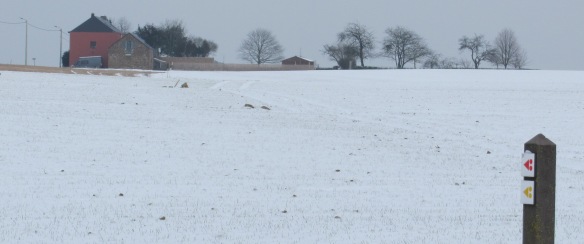
Snowy ride Belgium

It means that even familiar roads can take on a new feel from month to month, the sense of being part of the rhythm of the land is palpable. More examples of posts here, here and here, or just chose the Belgium tab to the right.

7. Belgians like a lie in

Just 30 kilometres from the capital city, the heart of Europe. And a group of cyclists can ride for two hours on a Sunday morning and not see a car moving. 
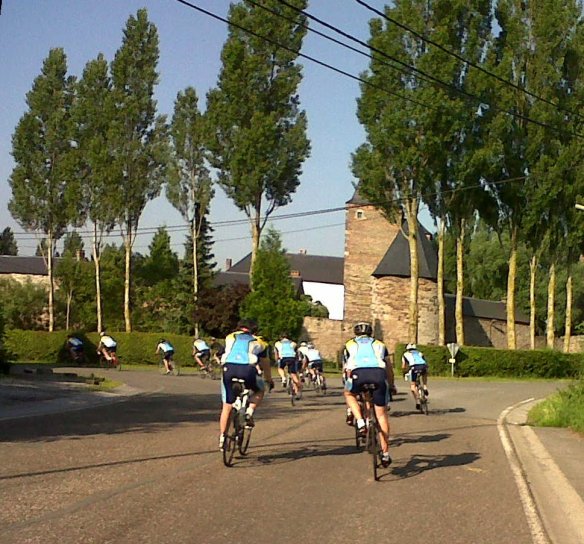
Wallonia Cycle Touring

Or a public holiday in mid-summer when the parks and woods are empty for hours, making them a personal playground.
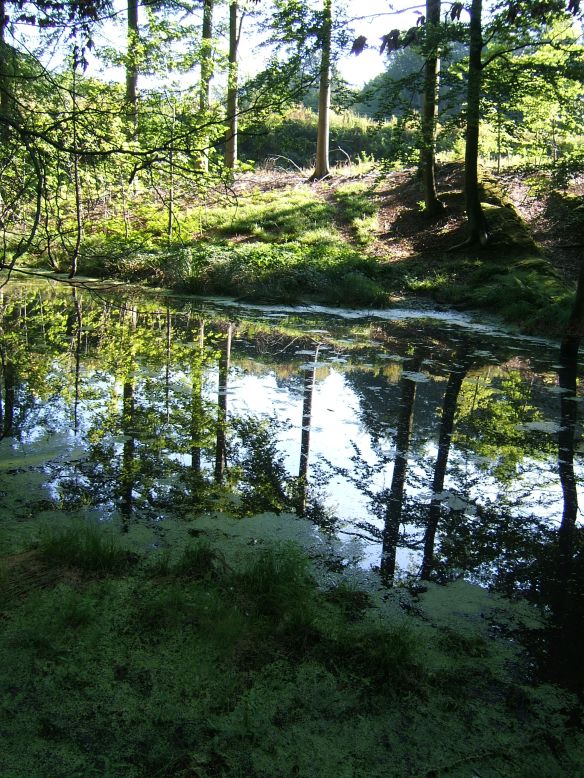
Brussels forest

Sundays especially are like a throwback to an earlier time. The shops are not supposed to open and tranquillity regulations ensure that mowing the lawn and noisy DIY are banned.

Thank you Belgium. Don’t bother getting up, I’m going out on my bike.

8. Belgian bike fans
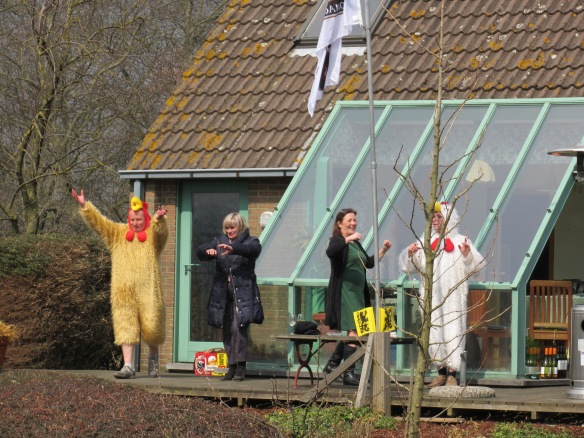
Tour of Flanders IMG_0707 beer 1

Cycling matters here. Or more precisely cycle sport matters here. Especially in Flanders.

Every branch too, not just the impressive heritage of road racing. I mean, where else can cyclo-cross be on the TV every Saturday and Sunday all winter and Sven Nys be a national superstar. Do you even know the name of the national cyclo-cross champion in your country? I don’t. It is in the news, the television and even the gossip. Earlier this year I blogged about how the Prime Minister of Flanders got pulled into a dispute about cycling facilities while he was away on a trip to the Tour de France, everybody is sucked into the cycling world.

I loved my trip to the Tour of Flanders Museum in Oudenaarde to absorb the legends, to the classics to celebrate with beer, frites and people in birdie suits.
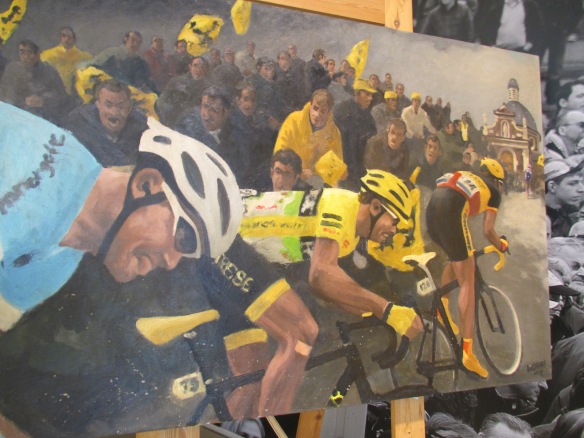
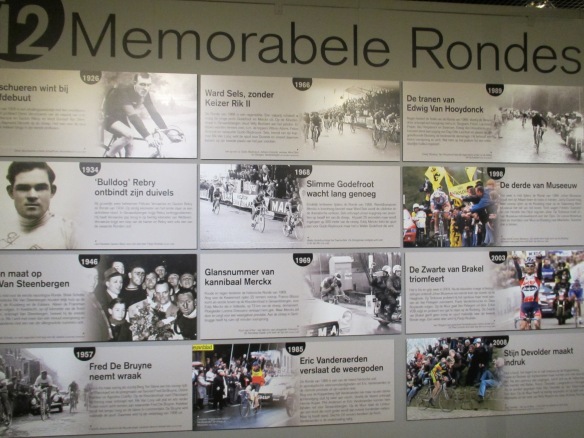
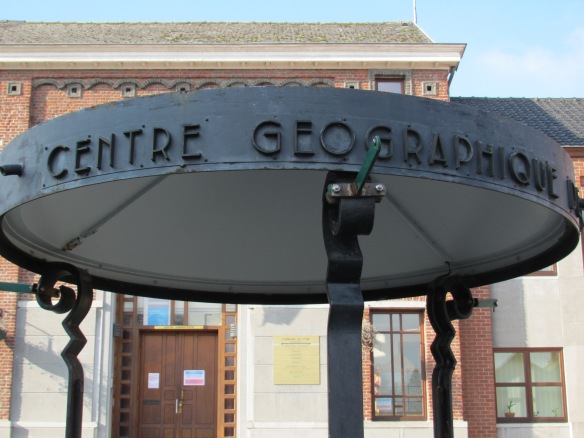
Centrum Ronde van Vlaanderen Ronde Van Vlaanderen Centrum

And amazingly this even carries over in to driving behaviour. Drivers have a remarkable tolerance for anyone in lycra out in the countryside, they seen to be prepared to wait for ages for individual riders or in groups. Maybe less so in the rush hour in Brussels, but I have certainly noticed that when I ride like a posing roadie I get a lot more space. If only they knew just how un-Belgian my riding actually is I might not get the same respect.

9. Somewhere near to everywhere
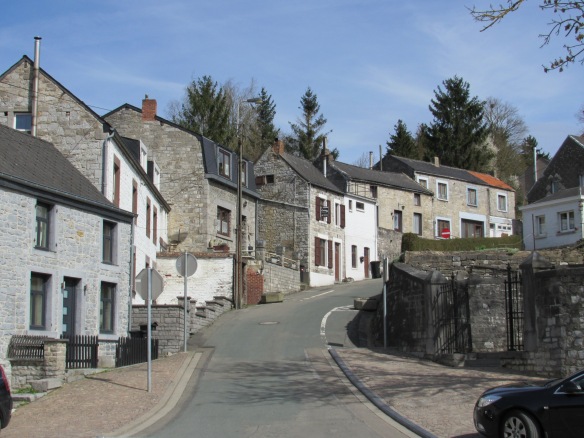
Ittre Walloon Brabant

Flanders Cycle route signs

While I was in Poland last week at the COP 19 Transport Day I met a very dour Belgian railways official. When I said I used the service every day politely he asked me “how do you find it?”

He was genuinely shocked when I said I thought it was a good network with cheap prices and how pleased I was that it carries bikes on almost every service. He turned to his companion from the European rail association and said “See, I have to come to Poland to find a satisfied customer.”
Wallonia

Yes some of the trains are old and tired. Yes the strikes are a pain. But I cannot be fed up in a compact country, covered masses of country lanes, varying terrain, varying history, even different languages, all seemingly within about an hour’s travel in any direction and the chance to let the trains do the work.

And beyond the borders more great cycling countries to sample, all within such easy reach. Luxembourg, Germany, France, the Netherlands……
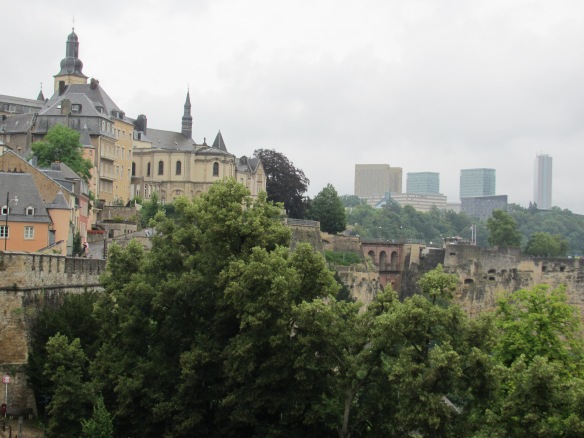
Luxembourg Old town and Kirchberg

10. My bike shed

Ok, you can’t enjoy this with me. It’s my space.
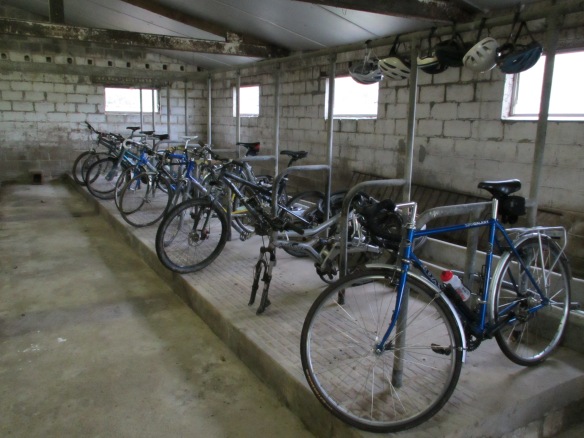
Kevin Mayne's Bike Shed

All I wanted was a shed, or a garage. When we started looking at apartments in Brussels we quickly realised that space was going to be at an absolute premium so I started reluctantly selling off some of my old bikes and bits. But having decided against city life and headed for the countryside I raised my hopes slightly that the shed would be a bit bigger.

When I visited a former farm in Lasne that we had previously ignored off as too small, too remote and without any storage in the particulars it was a very long shot.

Ok the house was fine. But seconds after entering the former milking shed I just burst into a smile that has barely left my face ever since. And now it has been properly equipped with its new livestock it has a similar effect on visitors, although mainly they just bursting out laughing.

Mysteriously the bikes seem to like it here, for it appears their numbers are growing. When the rental finishes it is going to come as an almighty shock, but for now it’s in my top 10 reasons for loving being a Belgian cyclist.

Thank you Belgium.

A year ago I wondered what life might bring. The answer? I do not despair!
A tale of two more cities – worlds apart

About a year ago I wrote my Tale of Two Italian Cities post about how two cities just 50km apart could be so different were in attitude and approach to cycling.

I had a similar experience last weekend.

On Friday I got on a train from Brussels and travelled 40 minutes North.

On Monday I got left from the same station and travelled 40 minutes South.

In both cases I didn’t really have an opportunity to travel into the city centre so I had to draw my conclusions about cycling from the immediate vicinity of the station. You might do so too.

Go North

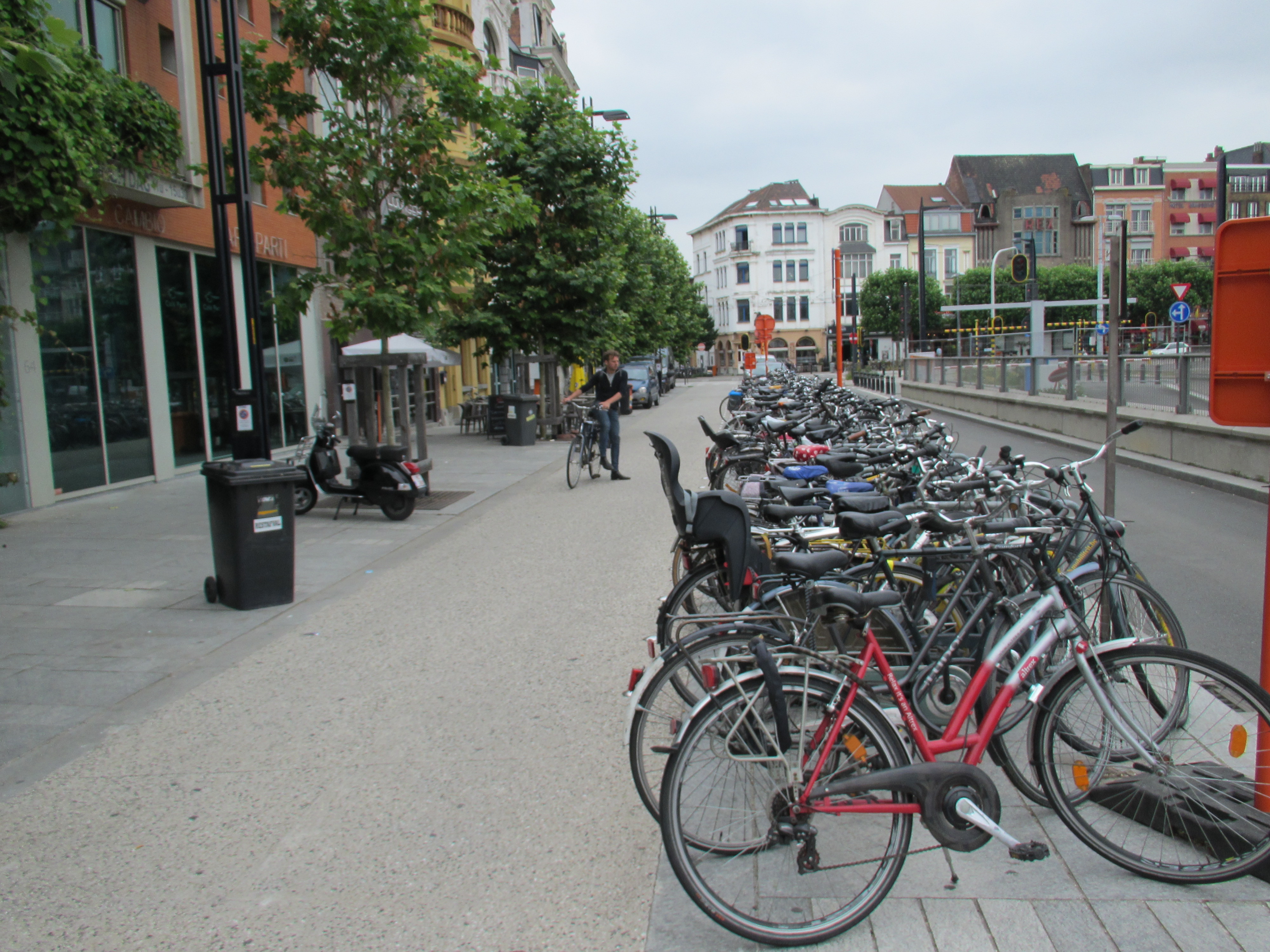
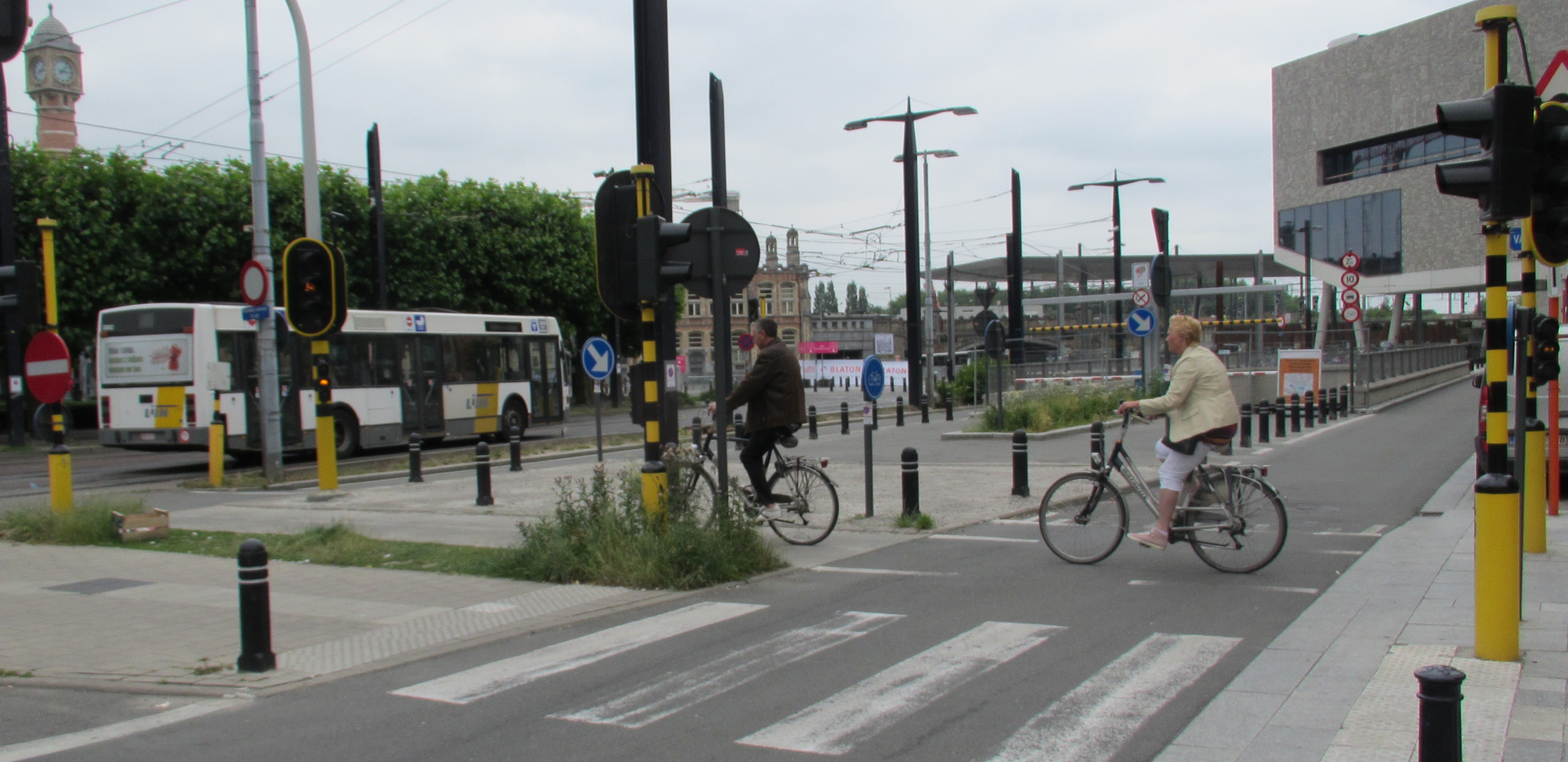
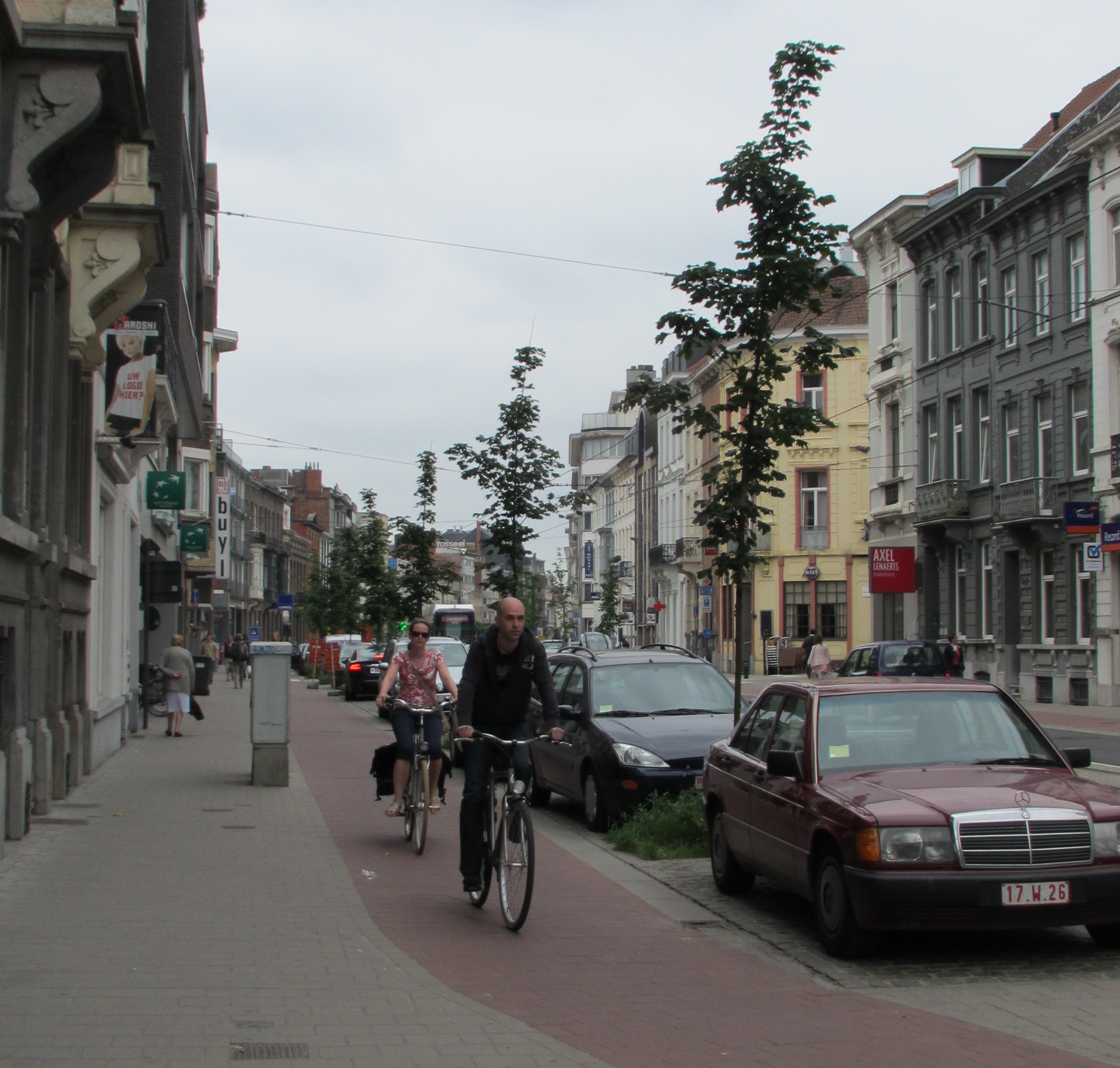
Cycle Parking Ghent Station Cycle parking Ghent station 4 Cycle parking Ghent station 3 Cycle parking Ghent station 2 Segregated cycle path Ghent Cyclists Crossing near Ghent station Cycling Infrastructure Ghent

Go South

Cycle Parking Gare Lille EuropeCycling Infrastructure Lille Lille cycling infrastructureMaybe it is time to regain a little friendship from my colleagues in Flanders, for the apparent cycle friendly mecca is indeed Ghent.

The struggling cycling metropolis to our South is Lille, in France.

L'ville bike sharing LilleTo its credit, it does have L’ville, an extremely good Bike Sharing system at the station, operated and supported by Decathlon cycling subsidiary B’Twin which is based in the city.

Personally I enjoyed my ride in the sunshine despite being limited to the industrial outskirts of the city but it is perhaps symptomatic of the limited progress by France as a transport cycling nation that the provision was very disjointed and there was such a woefully low expectation about cycle parking at this major transport hub.

Front page news – white stripes, wheeled terrorists, the Tour de France and the Prime Minister. Only in Flanders?

Last Friday I was taken to the front line of a full on cycling row that has erupted in Flanders, finally forcing the Prime Minister who was on a foreign trip on to the front pages of De Standaard to insist that he “would be looking in to it”

I have to share this storm in the tiniest of teacups because I don’t think we would see anything like this anywhere else except in the cycle sports mad world that exists around Ghent. And the story also has the dumbest punchline.

The background to the story is common enough. The community in Gavere, about 10km south of Ghent have complained that the “wheeled terrorists” have taken over their riverside and that they are constantly afraid. We have heard that before in many countries, most recently in the UK where there is a simmering row about the numbers of cyclists on canal towpaths or around the Olympic Road Race circuit at Box Hill.

However the difference here is the scale and the political fallout as the “terrorists” hit back.

Scheldt River path Gavere Flanders

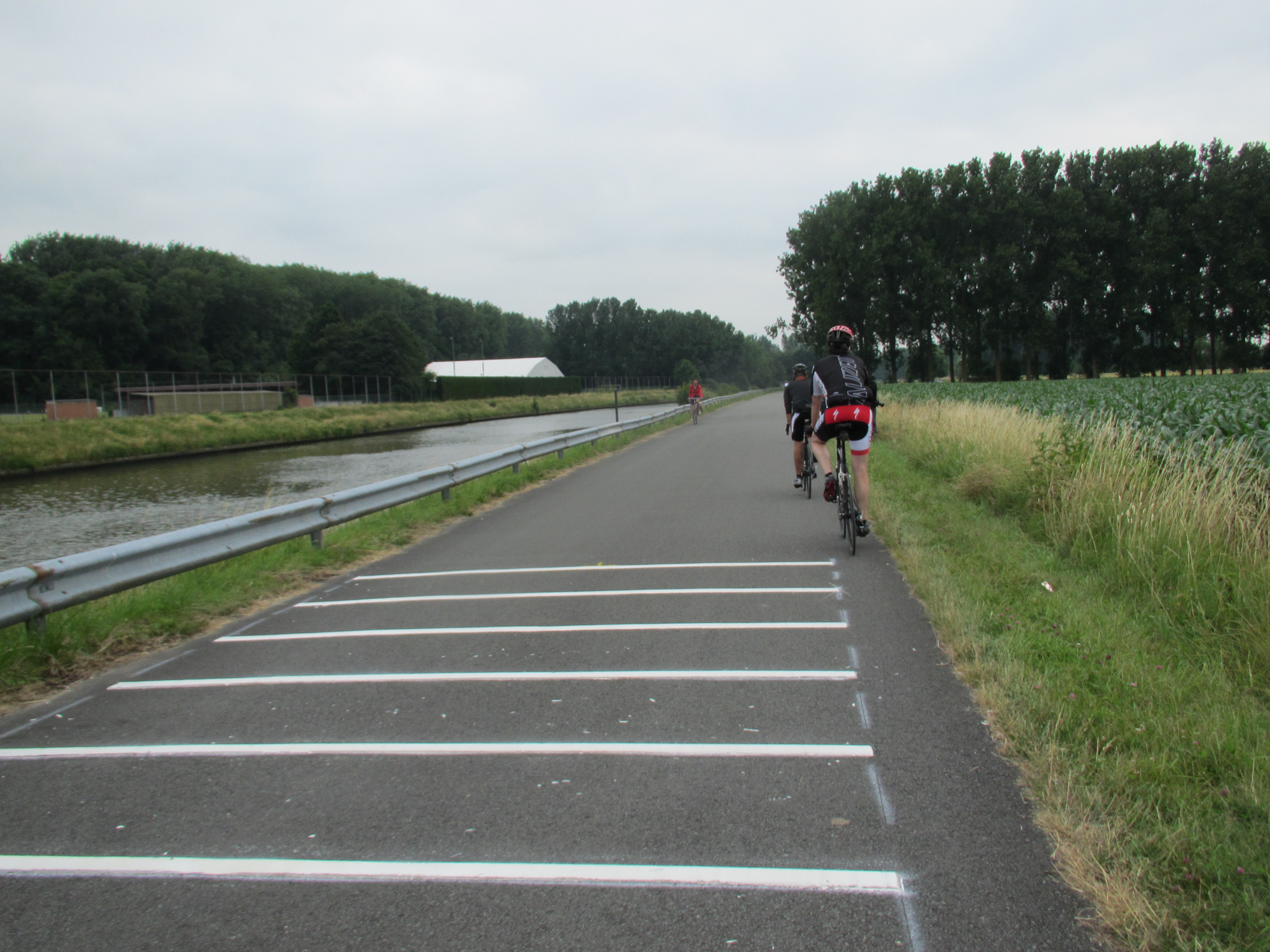
The battleground is a long wide and perfectly smooth traffic free path that follows the Scheldt south from Ghent for miles making a perfect environment for cycling and walking.

But its strengths are its weakness.

The smooth asphalt is a beautiful temptation for roadies to fly along at speed and the width means that the sort of club groups that are common in Belgium can travel down it in big echelons, especially at the weekend. And we are talking big, I see groups of 30-50 riders where I live and round Ghent I guess numbers are huge.

And speeds are high, as we rode the three of us were doing close to 20mph at times and we were passed by faster groups.

So out of the blue a series of white “rumble strips” – the now notorious ribbelstroken have appeared across the path.ribbelstroken

The first row was apparently whether they were initiated by the municipality or by Waterwegen en Zeekanaal (waterway and sea canals) who manage the navigation. Had the mayor of Gavere exceeded his authority? Or does the fact that they are spread over a wider area implicate the navigation managers?

But regardless of the origins of the work the sports cyclists were soon up in arms that anybody would mess with their training route. With their influence it soon hit the pages of De Standard and ribbelstroken became a new hot topic. While we were out for a ride there was another newspaper photographer out for the evening getting background shots and pictures of the offending strips. His presence prompted a stop for a lively debate by the roadside.

By Monday it had got to the Prime Minister of Flanders Kris Peeters, far away in France on a visit to Le Tour. Another distinctly Flemish twist, when was the last time your Prime Minister nipped off to see the Tour in another country? Well it was all above board, he was there as a guest of DCM, the Flemish company that co-sponsors the Vacansoleil pro bike team in the tour, not a jolly of course.

He probably thought he was away from domestic concerns but in France he had the misfortune to be ambushed by Vancansoleil pro Thomas De Gendt who it turns out likes to use the offending route for his speed training.

I have to say that the prospect of one of the world’s top riders doing 50kmph down a riverside path probably confirms every local citizen’s worst prejudices about wheeled terrorists, but he certainly got the Prime Minister on the spot. So by Monday the ribbelstroken were right up there on the front page news of De Standaard right beside the pictures of Chris Froome and within the day the Mobility Minister was out there riding her bike up and down the towpath with the local cycling groups.

The punchline?

Well it looks like the Mobility Minister was discrete in her words when she said “It was not as dramatic as I had heard.”

Not dramatic? It was pathetic!

This is a country with some of the finest cobblestones on the planet. Cyclists go out of their way to race over the rumbly stuff. It is the world centre of cyclocross. And frankly Belgian road surfaces can at times be almost third world. Anybody who remotely considers himself to be a serious cyclist around Ghent should be laughing at the pathetic little ripples on the path.

In line skaters – yes, big disruption. Wheelchair users – definitely an issue. So yes the strips will be cut back to allow movement round the ends.

Ribbelstroken GevereBut the self-promoting hardest bike riders in Europe? Come on chaps, give us a break! Even the senior citizens ride didn’t bat an eyelid.

But the hard men of Ghent have spoken, apparently the experiment will not be continued.

Ahhhhh,